
Plants
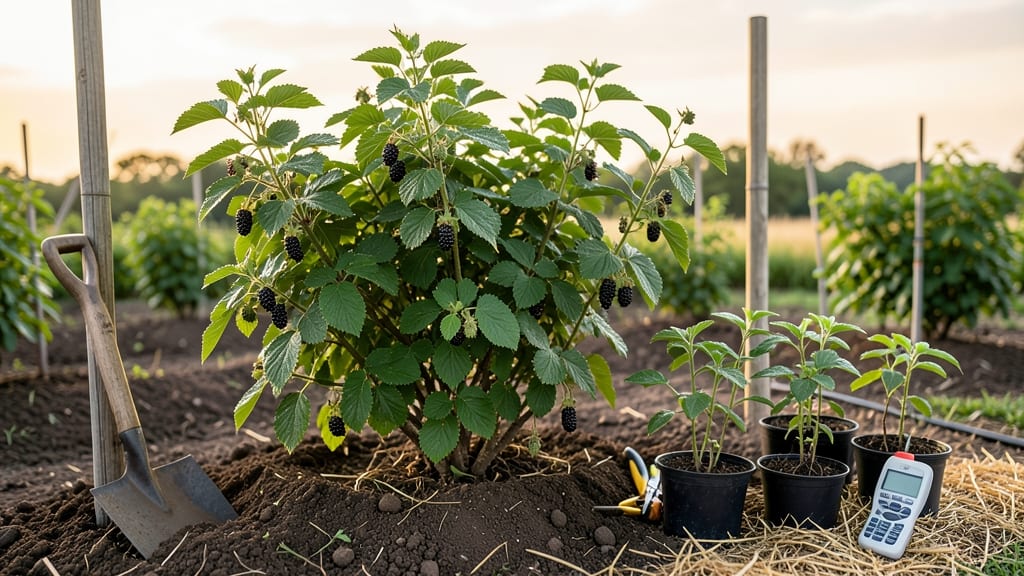
Timing your blackberry 🫐 planting in Oklahoma isn't just about following a calendar—it's about reading your microclimate. Plant too early, and frost will nip your young roots. Too late, and your berries might struggle to establish before summer heat sets in.
The right window could mean the difference between a thriving bramble and one that barely survives.
Most Oklahoma gardeners know the general rule: late winter to early spring or fall. But here's the catch—your exact planting dates depend on whether you're in the cooler Arklatex region or the hotter Panhandle.
We'll break down the precise windows for both, plus how to prep your soil so your blackberries take off like a rocket.
You'll also discover why fall planting often gives blackberries a head start in USDA zones 6a-7b, and how to tell when your soil is truly ready (hint: it's not just about temperature).
Whether you're working with bare-root canes or potted plants, these insights will help you avoid common pitfalls that trip up even experienced gardeners.
Ready to plant with confidence? Let's dive into the exact months, soil checks, and microclimate adjustments that will set your blackberries up for a bountiful harvest—no guesswork required.
Oklahoma blackberry planting zones: when to plant by microclimate
Oklahoma’s diverse geography—from the Arklatex region to the Panhandle’s high plains—creates unique microclimates that shift blackberry planting windows by weeks. Understanding your specific zone ensures your canes establish roots before Oklahoma’s unpredictable spring frost risks or scorching summer heat.
Most of Oklahoma falls within USDA zones 6a-7b, but elevation and proximity to water bodies (like Lake Texoma) can push your zone half a step higher or lower.
For example, thornless varieties like 'Natchez' thrive in zone 7a, while traditional types like 'Cheyenne' adapt better to zone 6b’s cooler nights.
Here’s how to match your location to the optimal planting window—whether you’re in southeastern Oklahoma’s humid climate or the Panhandle’s arid conditions:
For bare-root canes, prioritize fall planting (September-October) when soil temps hover around 60°F. This gives roots 6-8 weeks to establish before winter dormancy. In contrast, container-grown blackberries can handle spring planting as late as April 15 in most zones, thanks to their established root balls.
Pro tip: Use Oklahoma State University’s frost date maps to fine-tune your timing. For example, Lawton’s last frost averages March 10, while Tulsa’s is March 20—a 10-day difference that matters for tender new shoots.
If you’re in zone 6a (Panhandle), opt for early-season varieties like 'Arapaho' to beat the heat. In zone 7b (Arklatex), late-season types like 'Ouachita' extend harvests into early September.
Always plant after the last frost but before soil temps exceed 75°F. Use a soil thermometer to monitor—blackberries hate soggy roots but need consistent moisture during establishment.
🌱
Blackberry planting calendar: month-by-month tasks for Oklahoma gardeners
Oklahoma’s variable climate demands precise timing for blackberry planting success. Whether you’re planting bare-root canes or container-grown plants, following this month-by-month guide ensures strong root establishment and a productive harvest. The key is balancing soil temperatures (ideal: 55–65°F) with frost-free windows—critical for Oklahoma’s USDA zones 6a–7b.
Start with fall dormancy prep (September–October) to give roots a head start. This is when I recommend planting bare-root canes in regions like the Arklatex and Cross Timbers, where cooler nights arrive earlier.
For container-grown plants, early spring (February–March) works best in the Panhandle, where frost lingers later.
Spring planting (February–March) is ideal for container-grown blackberries in Oklahoma’s warmer microclimates, like the Panhandle. I’ve found that transplanting after the last frost date (typically March 15) reduces shock. For bare-root canes, soak roots overnight before planting to rehydrate them—critical in Oklahoma’s clay-heavy soils.
Don’t overlook pest prevention during active growth (April–July). Apply neem oil or kaolin clay to deter Japanese beetles, a common threat in Oklahoma’s humid summers. Prune floral canes after harvest to redirect energy to next year’s fruit production.
Fall planting (September–October) is my top recommendation for Arklatex and Cross Timbers regions. The cooler temperatures help roots establish before winter dormancy. Just ensure soil temps stay above 50°F—below that, roots may suffer frost damage. Mulch with straw or wood chips to insulate roots and retain moisture.
For thornless varieties, like ‘Natchez’ or ‘Arapaho,’ extend the planting window slightly into late fall (November in Southern OK). These varieties are more forgiving but still need well-draining soil to avoid root rot—a common issue in Oklahoma’s heavy clay areas. Amend soil with sand or peat moss if needed.
Remember: Oklahoma’s microclimates can shift planting windows by 2–3 weeks. Check your local cooperative extension office for precise frost dates. With the right timing, your blackberries will thrive—and you’ll enjoy juicy, homegrown fruit from late spring to early fall. 🫐