
Plants
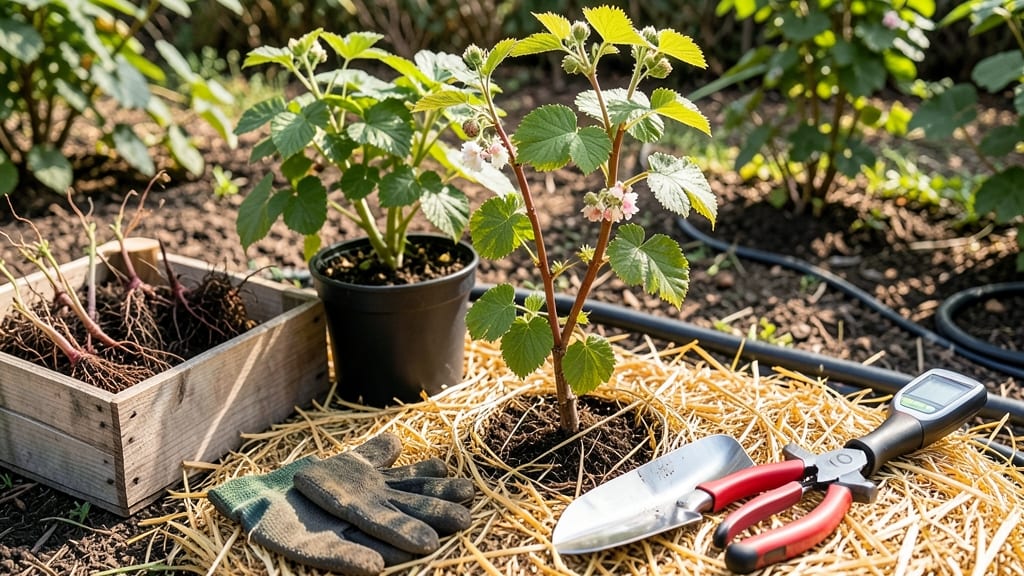
Timing your 🫐 blackberry planting in Tennessee can make or break your harvest—get it wrong, and you might end up with weak canes or no fruit at all. With the state’s USDA zones 6a-7b and variable frost dates, knowing exactly when to plant is the key to success.
Most Tennessee gardeners swear by planting in late winter to early spring (February-March) or fall (September-October), but not all blackberry varieties thrive on the same schedule. Everbearing types need chill hours, while fall-bearing varieties play by different rules.
In this guide, I’ll break down the best planting windows based on your region’s last frost date, chill-hour needs, and even how to adjust for container growing. Whether you’re in Nashville or Knoxville, you’ll learn exactly when to get those canes in the ground for a bountiful June-August harvest.
Ready to avoid common mistakes and maximize your blackberry patch? Let’s dive into the perfect planting timeline tailored for Tennessee’s climate.
Tennessee blackberry planting zones: chill-hour requirements by variety
Tennessee’s climate spans USDA Zones 6a through 7b, creating a unique challenge for blackberry growers. Unlike other fruits, blackberries require chill-hours—periods of dormancy below 45°F (7°C)—to produce fruit.
Too few chill-hours, and your plants may bloom but fail to set berries. Too many, and you risk winter damage. Getting this balance right is key to a productive harvest.
Most of Tennessee falls into the 500-1,000 chill-hour range, but microclimates—like the cooler Appalachian Mountains or the warmer Memphis area—can shift this dramatically. For example, Nashville (Zone 7a) averages 700-800 chill-hours, while Chattanooga (Zone 7b) may see 900+ chill-hours.
This variation means choosing the right blackberry variety for your specific location is non-negotiable.
Here’s the critical rule: Low-chill varieties (300-500 hours) thrive in Tennessee’s warmer southern regions, while high-chill varieties (800-1,000+ hours) suit the cooler northern and mountainous areas. Ignoring this can lead to poor fruiting or even plant death during harsh winters.
Let’s break down the top blackberry varieties for Tennessee, their chill-hour needs, and where they perform best in the state. This summary table will help you match your microclimate to the perfect variety for maximum yield and minimal stress.
| Variety | Chill-Hours Needed | Best Tennessee Regions | Thornless? | Fruiting Season |
|---|---|---|---|---|
| Ouachitambre | 300-500 | Southern TN (Memphis, Nashville) | Yes | June–July (early) |
| Natchez | 400-600 | Central TN (Nashville, Murfreesboro) | Yes | June–August (extended) |
| Arapaho | 500-700 | Central/North TN (Chattanooga, Knoxville) | No | July–August (mid-season) |
| Triple Crown | 600-800 | North TN (Bristol, Johnson City) | No | July–September (late) |
| Prime-Ark 45 | 800-1,000+ | Mountain TN (Gatlinburg, Sevierville) | No | July–August (reliable) |
For example, if you’re in Memphis (Zone 7b), the Ouachitambre variety with 300-500 chill-hours is ideal—it thrives in warmer climates and produces fruit early. Meanwhile, gardeners in Bristol (Zone 6b) should opt for Prime-Ark 45, which handles 800+ chill-hours without skipping a beat.
Pro tip: If you’re unsure about your chill-hours, check the Tennessee State University Extension Service or use a chill-hour calculator based on your ZIP code. This small step can save you from years of frustration with underperforming plants.
Now that you’ve matched your variety to your zone, the next critical step is timing your planting to avoid frost damage and heat stress. But first, let’s address a common mistake: planting at the wrong time of year can negate even the best variety choice.
For instance, planting bare-root canes in late spring (after your last frost) might seem logical, but it often leads to poor root establishment before summer’s heat arrives.
Conversely, planting too late in fall can leave roots vulnerable to winter freeze-thaw cycles. The solution? Stick to the ideal planting windows we’ll cover next.
Frost-free deadlines for Tennessee: when to plant blackberries by month
Timing your blackberry planting in Tennessee hinges on avoiding frost damage while maximizing root establishment. Most gardeners target late winter to early spring (February–March) or fall (September–October), but your exact window depends on your region’s last frost date.
For example, Nashville’s average last frost is March 15, while Chattanooga’s can be as late as March 25—so adjust accordingly.
Bare-root canes planted in early spring (before buds swell) give roots time to establish before summer heat arrives. Fall plantings, however, must occur 6–8 weeks before frost to allow roots to anchor before winter dormancy. In Tennessee’s USDA Zones 6a–7b, this typically means September–early October for most areas.
For container-grown blackberries, you have more flexibility—plant anytime soil isn’t frozen, but avoid mid-summer heat (June–August), which stresses roots and invites fungal diseases. If you must plant in summer, choose potted varieties and keep them shaded until established.
🔴 Callout Warning:
⚠️ Avoid Planting in Extreme Heat
Planting blackberries in summer (June–August) risks heat stress and transplant shock. Soil temps above 85°F can kill roots before they establish. If you miss spring/fall windows, opt for potted plants in partial shade until temperatures drop.
To pinpoint your local frost-free date, check the Tennessee State University Extension Service or use the USDA Plant Hardiness Zone Map. For example, Knoxville’s last frost is often March 10, while Memphis’ can be as early as March 5.
Plant 2–3 weeks after your average last frost for safety.
Pro tip: Monitor soil temperatures—ideal planting soil should be 50–60°F. Use a soil thermometer to avoid planting too early in cold, wet soil, which can rot roots.
In Zone 6a (eastern Tennessee), wait until soil warms in late March; in Zone 7b (west), early March is often safe.
Once you’ve nailed your planting window, focus on well-draining soil and full-sun exposure (6+ hours daily). Mulch with straw or wood chips to retain moisture and suppress weeds—critical for Tennessee’s hot, humid summers. With the right timing, your blackberries will reward you with juicy fruit by mid-summer!