
Plants
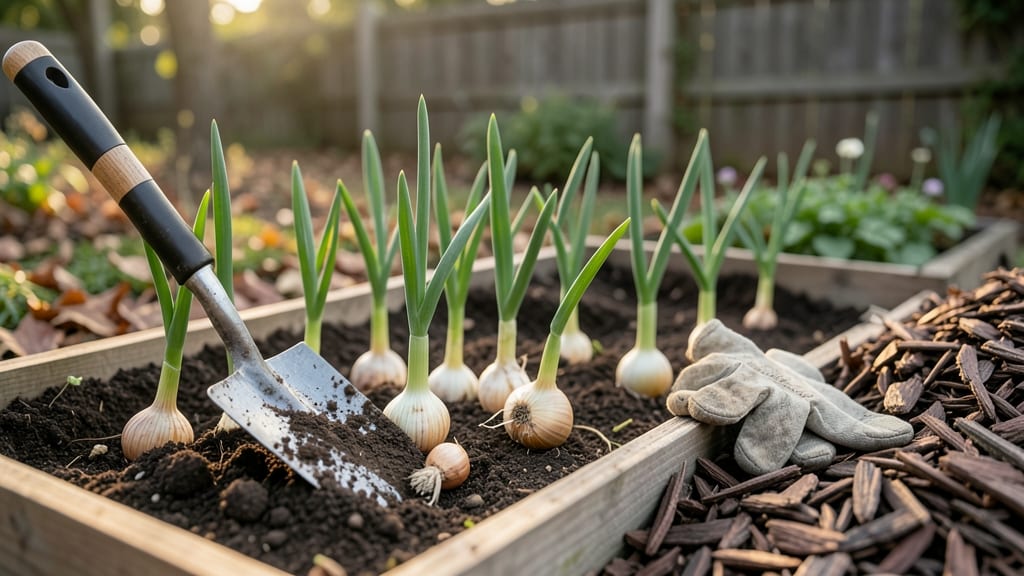
Timing your 🧅 onion planting in Ohio isn’t just about following a calendar—it’s about outsmarting frost, chill-hours, and soil that can turn your bulbs to mush if you’re off by even a few weeks.
Whether you’re growing sweet onions for salads or pungent varieties for storage, getting the window right means the difference between a bumper crop and a sad, wilted disappointment.
Here’s the truth: Ohio’s USDA Zone 6a climate demands precision. Plant too early, and your onions will rot in cold, soggy soil; too late, and you’ll miss the July–August harvest window when bulbs reach their peak.
The sweet spot? March–April for spring plantings, but there’s a trickier fall option too—one that savvy gardeners use to sneak in an extra harvest before winter sets in.
You don’t need a degree in agriculture to nail this. I’ll walk you through the exact chill-hour requirements for different onion types, how to prep your soil for Ohio’s heavy clay (yes, it’s a thing), and when to start seeds indoors if you’re impatient for harvest.
By the end, you’ll know not just when to plant, but why—so you can finally stop guessing and start growing like a pro.
Let’s cut to the chase: The best time to plant 🧅 onion bulbs in Ohio depends on your variety, your soil, and even your last frost date.
But with these insider tips, you’ll avoid the most common mistakes—like planting too deep or ignoring soil pH—and set yourself up for a garden full of plump, flavorful bulbs. Ready to dig in?
Ohio’s onion planting timeline: chill-hours & frost-free date calculator
Ohio’s USDA zones 5-7 create a unique challenge for onion growers—too much chill-hour exposure can trigger premature bolting, while too little delays bulb formation.
Most onion varieties need 500-1,000 chill hours (below 45°F) to form bulbs properly, but Ohio’s frost-free dates vary wildly from April 15 in Columbus to May 1 in Cleveland. The key?
Planting short-day onions (like Texas Early White) in February-March for spring harvests, or long-day varieties (like Sweet Spanish) in September for fall/winter storage.
Your local frost dates are the foundation of your planting schedule. Check the National Weather Service for your county’s average last frost date, then work backward. For spring onions, aim to plant 4-6 weeks before the last frost—typically mid-February to early April in most of Ohio.
For fall onions, plant 8-10 weeks before your first frost (usually late August to early September).
Here’s the chill-hour breakdown for Ohio’s most popular onion types:
| Variety | Chill-Hour Needs | Best Planting Window | Notes |
|---|---|---|---|
| Texas Early White | 500-700 hours | February-March | Short-day; ideal for Ohio’s climate |
| Sweet Spanish | 1,000+ hours | September | Long-day; store bulbs after harvest |
| Red Baron | 700-900 hours | March-April | Medium-day; versatile for fresh use |
| Yellow Granex | 800-1,000 hours | Late March-Early April | Sweet onion; great for salads |
Use this frost-free calculator to pinpoint your exact dates: subtract 10-14 days from your last frost date for spring planting, or add 8-10 weeks to your first frost date for fall planting.
For example, if your last frost date is April 20, plant sets or seeds by March 25. If your first frost arrives October 10, plant fall onions by August 15.
Ohio’s microclimates add another layer of complexity. Northern counties (like Ashtabula) often have 2-3 weeks later frost dates than southern regions (like Chillicothe). Adjust your timeline by 1-2 weeks if you’re in a colder zone.
For urban gardeners, heat islands can push frost dates back by 5-7 days—monitor your local weather closely.
Pro tip: Chit your onion sets (pre-sprout indoors) 4-6 weeks before planting to give them a head start. Place them in a cool, bright spot (like a sunny windowsill) and watch for green shoots—this signals they’re ready for the garden.
Chitting shortens the time to harvest by 2-3 weeks, especially in Ohio’s shorter growing seasons.
Don’t overlook fall-planted onions—they’re a game-changer for Ohio gardeners. Plant short-day varieties in late August or September, and harvest before hard frosts (typically November-December).
These bulbs store well in cool, dry conditions (like a garage or root cellar) and provide fresh onions through winter and early spring
For container gardening, start onions in pots indoors 6-8 weeks before your last frost date. Use well-draining soil and 5-gallon pots for mature plants. Move containers to a protected spot (like a sunroom) when night temps dip below 40°F to avoid frost damage. Remember: Soil temperature matters just as much as air temperature. Onions won’t sprout well in cold soil (below 40°Fsoil thermometer to confirm your garden bed is at least 50°F before planting. If your soil is too cold, wait 1-2 weeks or use black plastic mulch to warm it faster. 🌱