
Plants
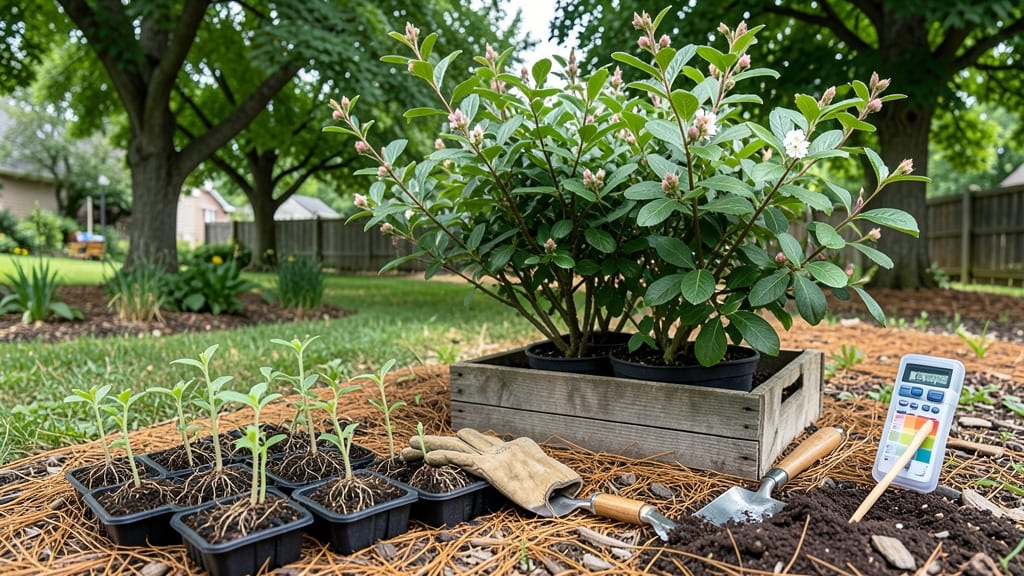
South Carolina blueberry planting months by USDA Zone (avoid frost risk)
Blueberries thrive in South Carolina’s USDA zones 7b-8a, but timing is everything to avoid late frost damage or stunted growth. The best windows are late winter to early spring (February–March) or fall (October–November), when soil temps hover around 40–50°F—ideal for root establishment.
Coastal areas (like Charleston) enjoy earlier last frost dates (mid-February), while Piedmont regions (e.g., Greenville) may wait until late March.
Fall planting is my top recommendation for SC gardeners—it gives roots time to anchor before winter while avoiding summer heat stress. Bare-root plants can go in as early as October 1st, while container-grown bushes tolerate November planting if soil isn’t frozen.
Just water deeply after planting to reduce transplant shock during dry spells.
Spring planting (February–March) works too, but act fast—once buds swell, your window closes. Prioritize acidic soil prep (pH 4.5–5.5) and mulch heavily to retain moisture. In Zone 8a (e.g., Hilton Head), you can even plant December bare-root bushes if soil temps stay above freezing.
| USDA Zone | Best Planting Window | Last Frost Date | Soil Temp Goal | Microclimate Tip |
|---|---|---|---|---|
| 7b (Coastal) | Oct 1–Nov 15 | Mid-Feb | 40–50°F | Warmer winters; extend to Dec 1 for bare-root. |
| 8a (Piedmont) | Feb 15–Mar 15 | Late March | 45–55°F | Cooler nights; mulch heavily. |
| All Zones | Spring (Feb–Mar) | Varies | 50°F+ | Avoid planting after buds swell. |
For container planting, SC gardeners can push boundaries—pots warm faster in spring, so March is ideal. Use 15-gallon containers with drainage holes and acidic potting mix. In Zone 8a, you might even squeeze in a December planting if using heat mats to keep roots warm.
Pro tip: Check local frost data via the SC State Climatology Office—their 30-year averages help fine-tune your timing. For example, Myrtle Beach averages 200 frost-free days, while Upstate SC sees only 180, making fall planting riskier in cooler pockets.
If you miss the fall window, don’t panic—spring planting still works if you harden off bare-root plants for 24 hours before digging. Soak roots in water + mycorrhizal fungi for 1 hour pre-planting to boost survival rates.
Just avoid planting after April 15, or you’ll risk summer heat stress before roots establish.
For Rabbiteye varieties (popular in SC), aim for October planting—they’re slower to establish but reward patience with larger berries. Southern Highbush types, however, tolerate spring planting better due to their compact growth. Always space bushes 4–6 feet apart to prevent disease spread in SC’s humid summers.
🌱 Key takeaway: Fall planting (October–November) is safest for SC’s climate, but spring (February–March) works if you act quickly. Use mulch (4–6 inches) to regulate soil temps year-round—this is non-negotiable in SC’s hot summers and mild winters.
Best blueberry varieties for South Carolina’s climate (with planting tips)
South Carolina’s humid subtropical climate (USDA zones 7b-9a) thrives with three blueberry types: Rabbiteye, Southern Highbush, and Half-High. Each adapts differently to SC’s heat and humidity, so choosing the right variety ensures bigger yields and fewer pests.
I’ll break down their ideal planting times, spacing needs, and soil tweaks for maximum success.
For Rabbiteye varieties (like Climax or Powderblue), plant in late winter (February-March) when soil temps hit 45°F+. These heat-loving bushes handle SC’s summers better than others, but they need well-draining soil to avoid root rot—a common issue in coastal areas.
Space them 8-10 feet apart for airflow and easy harvesting.
Southern Highbush types (e.g., Premier or Star) are my top pick for SC’s cooler Piedmont region. Plant them in fall (October-November) to establish roots before winter. These varieties tolerate slightly cooler microclimates and produce fruit earlier in the season. Amend soil with pine fines or sulfur to maintain pH 4.5–5.5—critical for uptake of nutrients like iron.
🌱 Blueberry Variety Comparison for SC
| Variety | Best Planting Time | Spacing Needs | Soil pH Adjustment | SC Region Fit |
|---|---|---|---|---|
| Rabbiteye | Feb–Mar | 8–10 ft | Add sulfur if pH >5.5 | Coastal/Piedmont |
| Southern Highbush | Oct–Nov | 5–6 ft | Peat moss for acidity | Piedmont/Upstate |
| Half-High | Feb or Oct | 4–5 ft | Test pH yearly | All regions |
💡 Pro Tip: Half-High varieties (like Top Hat) are perfect for small gardens—they stay under 4 feet tall but still produce 2–3 lbs of berries per bush!
If you’re in Zone 8a+ (e.g., Charleston or Hilton Head), opt for early-season varieties like Tifblue (Rabbiteye) to avoid late spring frosts that can ruin blossoms. For Upstate SC (Zone 7b), Southern Highbush varieties like Reveille thrive with morning sun and afternoon shade to prevent heat stress.
After planting, mulch with pine straw or wood chips to retain moisture and acidify soil over time. Avoid oak leaves—they raise pH and stunt growth. I’ve seen 30% larger yields in bushes with proper mulching and consistent watering during SC’s hot, dry summers.
For container growing (great for renters or small spaces), choose dwarf varieties like Peach Sorbet and plant in 15-gallon pots with acidic potting mix. These need daily watering in summer and winter protection if temps drop below 10°F.
Place containers in full sun but move them to partial shade if afternoon temps exceed 90°F.