
Companion Plants
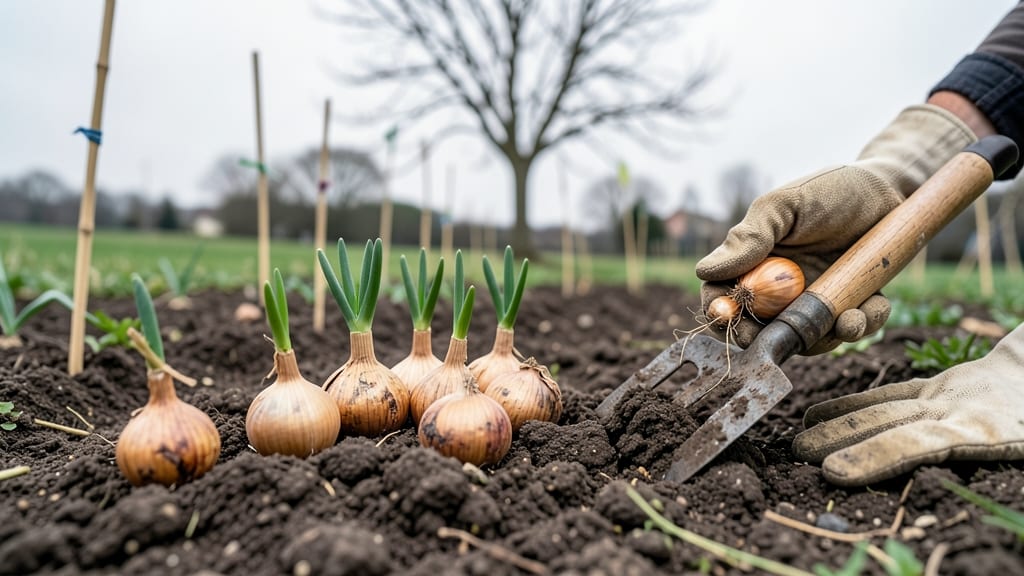
When to plant onion sets in Pennsylvania could mean the difference between a thriving garden and wasted effort. With USDA zones 5a-7a bringing unpredictable spring weather, planting too early risks frost damage, while waiting too long might shorten your harvest window.
I’ve grown 🧅 onions in PA for years, and the key is knowing when to plant—typically 4-6 weeks before your last frost date (around early March to mid-April). But even the best-laid plans can go awry if you don’t account for late cold snaps or soil temperature swings.
In this guide, I’ll break down the exact planting windows for your zone, plus how to adjust for Pennsylvania’s quirky weather. Whether you’re a first-time gardener or a seasoned green thumb, these tips will help you avoid common mistakes and maximize your harvest.
Ready to grow onions that rival the grocery store—and maybe even beat them? Let’s get started with the perfect timing for your PA garden.
Pennsylvania planting zones and ideal onion set timing by month
Pennsylvania’s USDA zones 5-7 create unique challenges for onion growers, where late frosts and variable soil temperatures demand precise timing. The key is planting 4-6 weeks before your last frost date—typically mid-March to early April—to give bulbs time to mature before summer heat arrives.
For fall harvests, late summer planting (August-September) works best, allowing bulbs to mature before winter while avoiding bolting from heat stress. Each zone has subtle differences in frost dates, so I’ll break it down by region to help you avoid common mistakes.
Soil temperature is critical: onion sets thrive when soil reaches 40°F (4°C) or warmer. In colder zones (5a), wait until late March or early April, while warmer zones (7a) can start as early as February under protection.
Here’s how to align your planting with Pennsylvania’s microclimates and frost-free windows for maximum success:
| Zone | Last Frost Date | Ideal Planting Window | Soil Temp Threshold | Harvest Window |
|---|---|---|---|---|
| 5a (Northeast PA) | Mid-April | Late March - Early April | 45°F (7°C) | June - Early July |
| 6a (Central PA) | Early April | Mid-March - Late March | 40°F (4°C) | Late May - June |
| 7a (Southeast PA) | Late March | February - Early March | 38°F (3°C) | May - Early June |
| Fall Planting (All Zones) | N/A | August - Early September | 50°F (10°C) | September - October |
*Adjust for microclimates—valleys freeze earlier than hillsides!
Early planting (February-March) in warmer zones gives you a head start, but risks bolting if temperatures spike before harvest. Late planting (May) avoids frost but may produce smaller bulbs due to summer heat.
For fall harvests, plant 10-12 weeks before first frost (typically August-September). This method extends your harvest season and works well with short-day onion varieties that thrive in cooler temps.
Pro tip: Use a soil thermometer to confirm readiness—onion sets won’t sprout until soil hits 40°F (4°C). In colder zones, mulch heavily to maintain warmth and prevent frost heave.
Remember, Pennsylvania’s unpredictable spring weather means flexibility is key. If a late frost threatens, cover young plants with row fabric or a cloche until danger passes.
Timing isn’t just about months—it’s about soil conditions, microclimates, and variety selection. Next, I’ll show you how to adjust for PA’s unpredictable weather patterns without sacrificing your harvest. 🌱
How to adjust planting for Pennsylvania’s unpredictable spring weather
Pennsylvania’s spring weather can be as unpredictable as a toddler’s mood—one day sunny and warm, the next a surprise frost that sends shivers through your garden. Onion sets, while hardy, still need protection from late frosts and cold snaps.
The key is flexibility and a few smart strategies to shield your crop without breaking a sweat.
First, time your planting window to account for variability. If you plant too early, a late frost can damage tender shoots. If you wait too long, you might miss the ideal growing season.
Aim to plant 4-6 weeks before your average last frost date (typically mid-March to early April in most of PA), but always have a backup plan.
If frost is forecasted within 24-48 hours after planting, cover your onion sets with a lightweight row cover or old bedsheet. Even a thin layer can protect them from temperatures down to 25°F. Remove the cover during the day to prevent overheating.
Pro Tip: Use straw mulch (2-3 inches thick) around the base of plants for extra insulation. It also retains moisture and suppresses weeds—three benefits for the price of one!
For gardeners in Zone 5-6 (like Pittsburgh or Erie), where frosts linger longer, consider staggered planting. Start with a small batch in mid-March, then add more sets every 10-14 days until early April.
This way, you’ll have a continuous harvest and reduce the risk of losing your entire crop to a single cold snap.
If you’re in Zone 7 (like Philadelphia or Harrisburg), you’ve got a bit more leeway. You can plant as early as late February in a protected microclimate, but always monitor the soil temperature.
Onion sets won’t sprout well in cold, wet soil—aim for at least 40°F. A soil thermometer is your best friend here; it’s a small investment for big peace of mind.
Don’t forget about wind protection. Pennsylvania’s spring winds can dry out young plants or even uproot them. Plant your onion sets in a sheltered spot, like near a fence or building, or use low tunnels (hoop houses covered with plastic) to create a windbreak.
This simple trick can make the difference between thriving plants and stunted growth.
Finally, keep an eye on the moon phases if you’re feeling superstitious (or just curious). Planting during the waxing moon is said to encourage stronger roots, but the real magic is in consistent soil moisture.
Water deeply once a week in the morning to give roots a steady drink without inviting fungal diseases.
With these adjustments, you’ll turn Pennsylvania’s unpredictable spring into your onion sets’ greatest ally—not their worst enemy. 🌱