
Plants
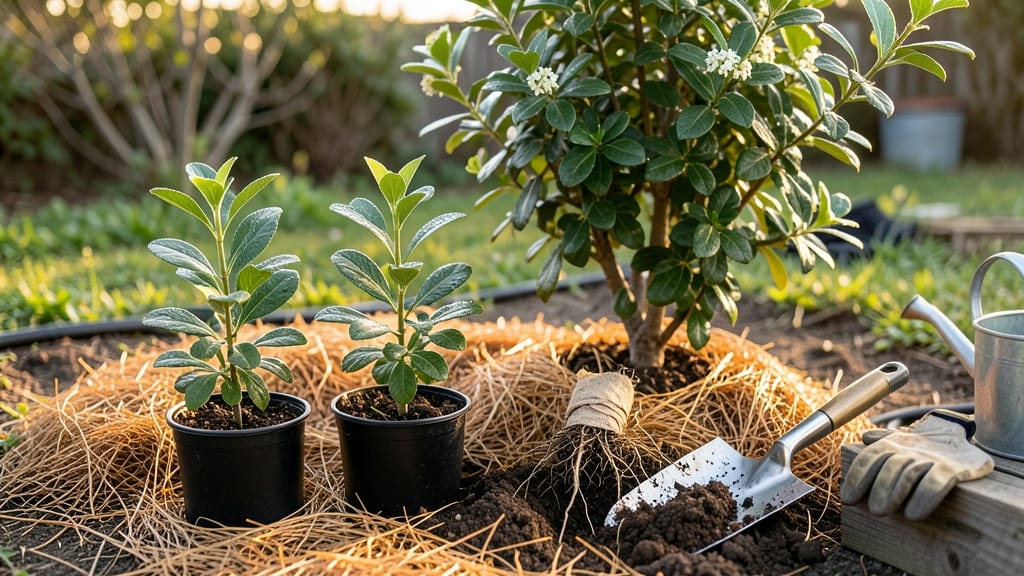
If you're dreaming of a backyard bursting with juicy 🫐 blueberries in Zone 9, timing your planting is the secret weapon you can't afford to miss. Planting blueberries at the wrong time in this warm climate can mean struggling bushes instead of thriving harvests—so getting it right is everything.
Zone 9's unique challenges—like year-round warmth and alkaline soils—make the late fall to early spring window the sweet spot for root establishment. But here's the kicker: coastal areas like Southern California have different needs than inland deserts, and even microclimates within your yard can shift the ideal timing.
What you're about to discover isn't just about months—it's about soil temperature, rainfall patterns, and how to work with your local climate. I'll walk you through the exact steps to prepare your soil, choose the right varieties, and avoid common pitfalls that derail even the most eager gardeners.
Ready to turn your blueberry dreams into reality? Let's dive into the best months for planting in Zone 9 and the game-changing techniques that'll set you up for success.
Best planting months for blueberries in Zone 9: a month-by-month breakdown
Zone 9’s warm climate makes blueberries a fantastic addition to your garden, but timing is everything. Unlike cooler zones, you can’t just plant in spring—you’ll need to work with soil temperatures, rainfall patterns, and microclimates to avoid heat stress.
The ideal window is late fall to early spring, when temperatures hover between 50–60°F and rainfall is more consistent.
In Southern California, for example, coastal areas like San Diego have milder winters, while inland deserts like Phoenix face extreme heat. Adjust your planting schedule based on your specific region—coastal zones can plant slightly later, while inland areas should aim for cooler months to prevent summer heat shock.
Here’s what you need to know about each month’s suitability for planting blueberries in Zone 9:
| Month | Soil Temp (°F) | Rainfall (inches) | Best for Planting? | Notes |
|---|---|---|---|---|
| October | 65–75°F | 0.5–1.5 | ✅ Yes (Coastal) | Cooler evenings, but still warm in inland areas. Ideal for coastal Zone 9. |
| November | 60–70°F | 1–2.5 | ✅ Best Month | Perfect balance of cool soil and moderate rain. Root establishment thrives. |
| December | 55–65°F | 1.5–3 | ✅ Ideal (Inland) | Cooler temps reduce heat stress. Inland areas benefit from winter rains. |
| January | 50–60°F | 1.5–3.5 | ✅ Best Month (Coastal/Inland) | Optimal soil temps and high rainfall. Best overall for Zone 9. |
| February | 55–65°F | 1–2.5 | ⚠️ Possible (Early) | Warmer soil may stress roots. Best for early February plantings. |
| March | 60–70°F | 0.5–1.5 | ❌ Avoid (Heat Risk) | Soil too warm; high risk of transplant shock. Only plant if using shade cloth. |
| April | 65–75°F | 0.2–1 | ❌ Avoid (Drought Risk) | Dry conditions and heat make planting high-risk. Save for established plants. |
If you’re in a coastal microclimate, like San Diego or Santa Barbara, you can extend your planting window into early March. However, inland areas like Phoenix or Las Vegas should stick to November–January to avoid the intense summer heat.
Always check your local USDA Zone 9b frost-free dates, even though frost is rare.
One often-overlooked factor is the moon phase. Planting during a waxing moon (when the moon is growing) is believed to encourage root growth. While not scientifically proven, many gardeners swear by it—especially in Zone 9’s unpredictable rainfall patterns.
Aim for a waxing gibbous moon in late fall or early spring for best results.
After planting, mulch with pine needles or wood chips to retain moisture and mimic the acidic conditions blueberries love. This is critical in Zone 9, where alkaline soils are common. Without proper mulching, your blueberries may struggle to establish roots, leading to stunted growth or even death.
Finally, avoid planting in summer months. The combination of high soil temps and low humidity in Zone 9 can cause severe stress. If you must plant outside the ideal window, use shade cloth and drip irrigation to protect young plants until they’re established.
With the right timing, your blueberries will thrive in Zone 9’s climate, producing sweet, juicy berries for years to come. Just remember: cool soil, consistent moisture, and patience are your best friends in this warm zone. 🫐
Best planting months for blueberries in Zone 9: a month-by-month breakdown
Zone 9’s warm winters and long growing season make it perfect for blueberries—but timing is everything. Unlike cooler climates, Zone 9’s ideal planting window spans late fall to early spring, avoiding summer’s scorching heat.
The key is planting when soil temperatures hover between 50–60°F, giving roots time to establish before the heat ramps up.
In my experience, November through February are the sweet spots. Coastal areas like Southern California can push planting into early March, while inland desert regions (e.g., Arizona’s Phoenix area) should aim for October–November to beat the summer dry spell.
Rainfall patterns also play a role—coastal zones get winter rains, while inland areas need supplemental irrigation.
🌱 Zone 9 Blueberry Planting Timeline
| Month | Soil Temp | Best For | Rainfall |
|---|---|---|---|
| October | 60–70°F | Inland deserts | Low (supplement) |
| November | 55–65°F | Coastal areas | Moderate |
| December–January | 50–60°F | All regions | High (coastal) |
| February | 55–65°F | Early spring | Decreasing |
| March | 60–70°F | Coastal only | Low |
*Soil temp thresholds critical for root growth. Use a soil thermometer to confirm.
Avoid planting in summer (June–August)—the heat stresses young roots, and Zone 9’s alkaline soils can bake dry. Instead, opt for bare-root plants in winter or container-grown bushes in early spring. Pro tip: Mulch heavily after planting to retain moisture and cool roots during Zone 9’s mild winters.
For container gardening, plant in February–March to give roots time to establish before summer. Use large pots (15+ gallons) with acidic potting mix and drip irrigation to simulate consistent moisture. Containers heat up faster, so avoid black pots—opt for white or terracotta to reflect sunlight.
Microclimates matter! Coastal Zone 9 (e.g., San Diego) has milder winters, so March planting works, while inland deserts (e.g., Las Vegas) need October–November timing. Check your local frost-free date—even Zone 9 can have light frosts in high elevations.
Finally, consider the moon phase for planting: Root crops (like blueberries) thrive when planted during the waxing moon (just after the new moon). This aligns with nature’s water cycle, encouraging deeper root growth.
Pair this with well-amended soil, and you’ll set your blueberries up for a bountiful first harvest in 2–3 years.