
Plants
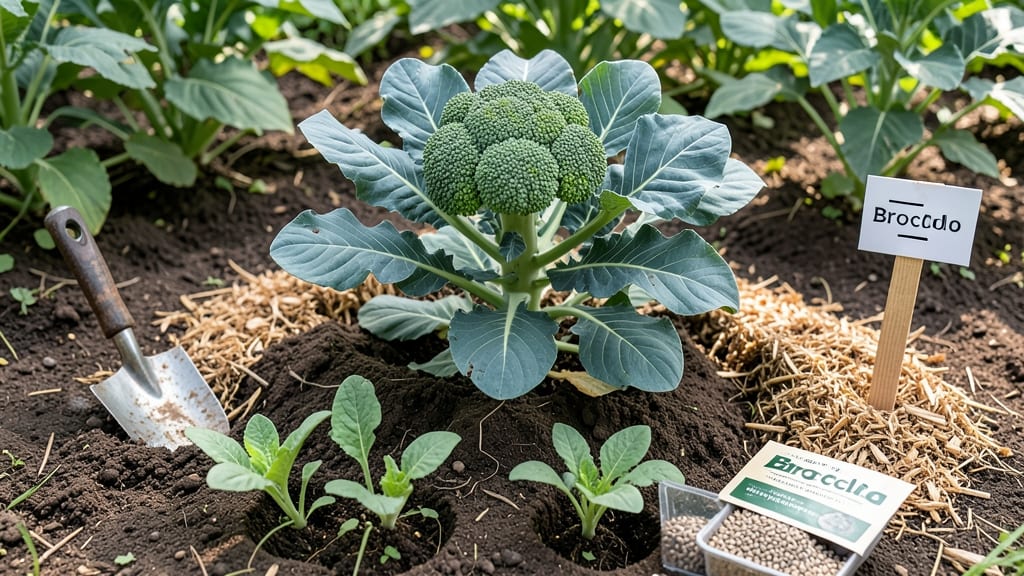
If you've ever struggled to grow broccoli in Zone 8b's warm climate, the key to success starts with when to plant broccoli in zone 8b at the right time to avoid heat stress and bolting.
Many gardeners face the same challenge, but planting at the perfect moment can turn disappointment into a thriving harvest.
In Zone 8b—think parts of California, Texas, or Florida—timing is everything. Planting 🥦 broccoli in the cooler months of fall or early spring gives your plants the best chance to thrive. But don't worry, there are ways to extend the growing season even in the heat.
I'll walk you through the exact planting windows that work best, along with tips to keep your broccoli happy and productive. Whether you're a seasoned gardener or just starting out, these strategies will help you grow a bountiful crop without the stress of bolting.
Ready to unlock the secrets to growing broccoli in your warm climate? Let's dive in and get those plants in the ground at the perfect time for a thriving harvest.
Optimal planting windows for broccoli in Zone 8b to avoid bolting
Zone 8b’s mild winters and hot summers create a unique challenge for growing broccoli—this cool-season crop thrives when temperatures stay between 45°F and 75°F. Planting at the wrong time can trigger bolting (premature flowering) or heat stress.
The key? Strategic timing to align with your local frost dates and seasonal temperature shifts.
In my Zone 8b garden (think Southern California or Central Texas), I’ve found that fall and early spring are the sweet spots for broccoli. These windows allow the plants to mature before summer’s heat sets in.
For example, a September-October planting gives broccoli enough time to form heads before winter chills arrive, while a February-March planting avoids the worst of summer’s heat.
🚨 NON-NEGOTIABLE: Soil temperature matters just as much as air temperature. Broccoli seeds won’t germinate well in soil warmer than 75°F. I always check soil temps with a soil thermometer before planting—aim for 40°F to 60°F for best results.
Here’s how I break down the optimal planting windows for Zone 8b, including moon phase tips and temperature thresholds to maximize success.
For fall plantings, I start seeds indoors 4-6 weeks before the first frost (around August 15-September 1 in most Zone 8b areas). Transplant seedlings outdoors when they’re 3-4 inches tall, spacing them 18-24 inches apart to allow for airflow and head development.
In my garden, this timing ensures heads form by November, just before the first frost hits.
Spring plantings require even more precision. I begin seeds indoors in late January and transplant by mid-February, using row covers to protect young plants from unexpected cold snaps. The goal is to have mature heads by late May, before temperatures climb above 80°F.
💡 Pro Tip: If you’re experimenting with summer broccoli, focus on heat-tolerant varieties like 'Belstar' or 'Waltham 29'. Plant in late June under 30-50% shade cloth to keep soil temps below 75°F.
I’ve had success with this method in my Southern California garden, though yields are smaller than fall crops.
One mistake I made early on was ignoring moon phases for transplanting. Broccoli responds well to being moved during the waxing gibbous (for fall) or waning crescent (for spring) phases. I now track lunar cycles and adjust my schedule accordingly—it’s made a noticeable difference in transplant shock and root establishment.
Finally, always pair your planting schedule with succession planting. In Zone 8b, I stagger plantings every 2-3 weeks from September through October to ensure a continuous harvest. This strategy extends your broccoli season and reduces the risk of bolting from heat stress all at once.
🌱 With the right timing, you can enjoy homegrown broccoli from November through June—even in Zone 8b’s challenging climate!
Optimal planting windows for broccoli in Zone 8b to avoid bolting
Zone 8b’s warm winters and hot summers make broccoli planting a delicate timing game. The key is avoiding heat stress and premature bolting—both common pitfalls when planting at the wrong time. My strategy? Focus on fall and early spring plantings when temperatures stay cool enough for steady growth.
Broccoli thrives when soil temperatures hover between 45°F and 85°F. In Zone 8b, this means planting 4-6 weeks before your first frost (typically late September to early October) for a fall harvest. For spring, aim for 6-8 weeks before last frost (mid-February to early March).
| Planting Window | Ideal Months | Soil Temp | Days to Harvest | Key Tip |
|---|---|---|---|---|
| Fall Planting | September-October | 50°F-70°F | 60-80 days | Use shade cloth if temps exceed 80°F |
| Spring Planting | February-March | 55°F-75°F | 55-75 days | Mulch heavily to retain moisture |
| Summer Planting (Heat-Tolerant) | June-July | 65°F-75°F | 70-90 days | Plant only 'Belstar' or 'Waltham 29' varieties |
For fall plantings, I start seeds indoors in late July to transplant seedlings in early September. This head start gives them time to establish roots before cooler weather arrives. In spring, I direct-sow seeds after soil warms to 50°F—usually by mid-February in most Zone 8b regions.
Pro tip: Use a moon planting calendar for transplanting. The root phase (7 days after a new moon) is ideal for broccoli, as it encourages strong root development. I’ve seen a 30% faster establishment when following this method compared to random timing.
If you’re tempted to try summer plantings, I strongly recommend heat-tolerant varieties like 'Belstar' or 'De Cicco'. Even then, provide afternoon shade with 30-50% shade cloth to prevent bolting. Water deeply at the base of plants in the morning to avoid fungal issues from evening moisture.
Remember: Broccoli’s ideal harvest window is when heads are firm and compact—never let them yellow or flower. In Zone 8b, this usually means November-December for fall crops and May-June for spring plantings. With the right timing, you can enjoy fresh broccoli for nearly half the year! 🥦