
Plants
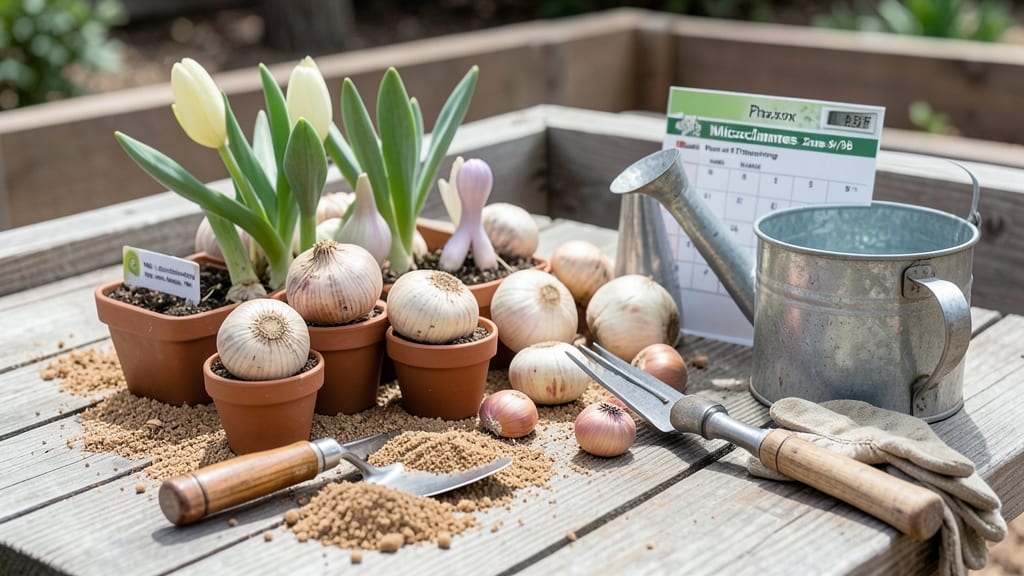
Best months to plant bulbs in Phoenix for maximum blooms
Phoenix’s 100°F+ summers and monsoon unpredictability demand precise timing when planting bulbs. Unlike cooler climates, Phoenix gardeners must work with two key windows: fall for spring bloomers and late summer for heat-tolerant varieties. Planting at the wrong time risks rot from overwatering or heat shock before roots establish.
Most bulbs thrive when planted 6-8 weeks before their ideal growing season. In Phoenix (USDA Zone 9b), this means fall planting for spring blooms and late summer for summer-flowering types.
The monsoon season (July-September) also offers a brief reprieve from extreme heat, making it a hidden opportunity for certain varieties.
Here’s the golden rule: Plant bulbs when soil temperatures drop below 80°F and stay consistent. For Phoenix, this typically means October-November for most spring-flowering bulbs, while August-September works for heat-resistant varieties like canna lilies or agapanthus.
| Bulb Type | Ideal Planting Months | Soil Temp Threshold | Monsoon Strategy |
|---|---|---|---|
| Spring Bloomers (Tulips, Daffodils) | October–November | Below 75°F | Plant after first monsoon rains to moisten soil |
| Summer Bloomers (Dahlias, Agapanthus) | August–September | Below 85°F | Use shade cloth if planting early |
| Fall Planting (Crocus, Hyacinth) | September–October | Below 80°F | Leverage monsoon moisture for root growth |
| Heat-Resistant (Canna Lilies, Amaryllis) | June–July (post-monsoon) | Above 90°F (with shade) | Water deeply 2x/week until established |
Timing isn’t just about months—it’s about soil conditions. In Phoenix, clay-heavy soils bake hard during summer, while sandy soils dry out too quickly. Amend your soil with 3 inches of compost and perlite to improve drainage and moisture retention.
This prep work is critical, especially for fall-planted bulbs, which need consistent moisture until roots establish.
Pro tip: Use a soil thermometer to check temperatures before planting. Bulbs like tulips and daffodils prefer soil below 60°F, while dahlias can tolerate up to 75°F with proper shade. Phoenix’s microclimates (e.g., shaded courtyards vs. sunbaked patios) also affect timing—adjust by 1-2 weeks based on your specific conditions.
Watering is another critical factor. Newly planted bulbs need deep, infrequent watering to encourage root growth. In Phoenix, this means watering every 7-10 days until the first signs of sprouting.
After that, reduce to bi-weekly to prevent rot. Drip irrigation or soaker hoses are ideal—they deliver water directly to the roots without wetting the foliage, reducing fungal risks.
Don’t overlook the post-monsoon window (late August-September). This is your chance to plant heat-loving bulbs like canna lilies or gladiolus. The monsoon’s residual moisture gives these varieties a head start, while afternoon showers help maintain soil humidity.
Just be sure to mulch heavily (3-4 inches) to retain moisture and keep roots cool.
For spring-flowering bulbs, aim to plant by November 1st to ensure they establish roots before the spring heat surge. If you miss this window, wait until January, but expect slightly later blooms.
Remember: Bulbs planted in Phoenix after December 15th may struggle with early spring heat before they’ve built sufficient root systems.
Finally, consider container gardening for bulbs if your yard’s soil is problematic. Containers allow you to control soil quality and watering, making them ideal for small spaces or high-heat areas.
Use a fast-draining mix with 50% potting soil and 50% perlite, and plant bulbs at the same depth as they’d be in the ground.
With the right timing and prep, your Phoenix garden can burst with color—even in the desert heat! Start with fall planting, monitor soil temps, and adjust for monsoons, and you’ll be rewarded with vibrant blooms year-round. 🌱
Best months to plant bulbs in Phoenix for maximum blooms
Phoenix’s USDA Zone 9b climate demands precise timing for bulb planting—too early and they’ll roast, too late and they’ll miss their growth window. The key is planting when soil temperatures drop below 80°F to avoid heat stress.
For most bulbs, this means focusing on fall planting (October–December) when monsoon rains taper off and daytime highs cool slightly.
Spring-blooming bulbs like dahlias and agapanthus thrive when planted in late fall (October–November), giving them time to establish roots before Phoenix’s brutal summer heat arrives. Summer-blooming varieties, such as canna lilies, can be planted as late as February–March, but require consistent moisture to survive the transition.
Here’s the exact planting schedule tailored to Phoenix’s microclimates—whether you’re in the Valley’s urban heat islands or the cooler higher elevations near Camelback Mountain.
| Bulb Type | Ideal Planting Window | Soil Temp Threshold | Monsoon Consideration |
| Spring Bloomers (Daffodils, Tulips) | October–November | Below 80°F | Plant after rains subside |
| Summer Bloomers (Canna Lilies, Dahlias) | February–March | 55–65°F | Mulch to retain moisture |
| Fall Bloomers (Amaryllis, Gladiolus) | September–October | 70–75°F | Avoid planting during heavy rains |
Pro tip: Use a soil thermometer to confirm temperatures—bulbs planted in 90°F+ soil will cook before roots form. For urban Phoenix gardens, opt for shade cloth during peak afternoon heat (1–4 PM) to protect newly planted bulbs until roots establish.
Watering is critical in the first 4–6 weeks post-planting. Give bulbs a deep soak every 10–14 days to encourage root growth, then taper to monthly watering once established. Overwatering in summer is just as deadly as underwatering—aim for moist but not soggy soil.
Timing isn’t just about months—it’s about microclimates. If you’re in a shaded courtyard, you might push planting to mid-November, while full-sun exposures require earlier planting. Always check for local frost advisories (rare in Zone 9b, but possible in higher elevations) to adjust your schedule.
Remember: The goal is to have bulbs dormant during summer and actively growing during cooler months. With the right timing, you’ll enjoy vibrant blooms from fall through spring—without the bulbs wilting under Phoenix’s relentless sun. 🌱💧☀️