
Plants
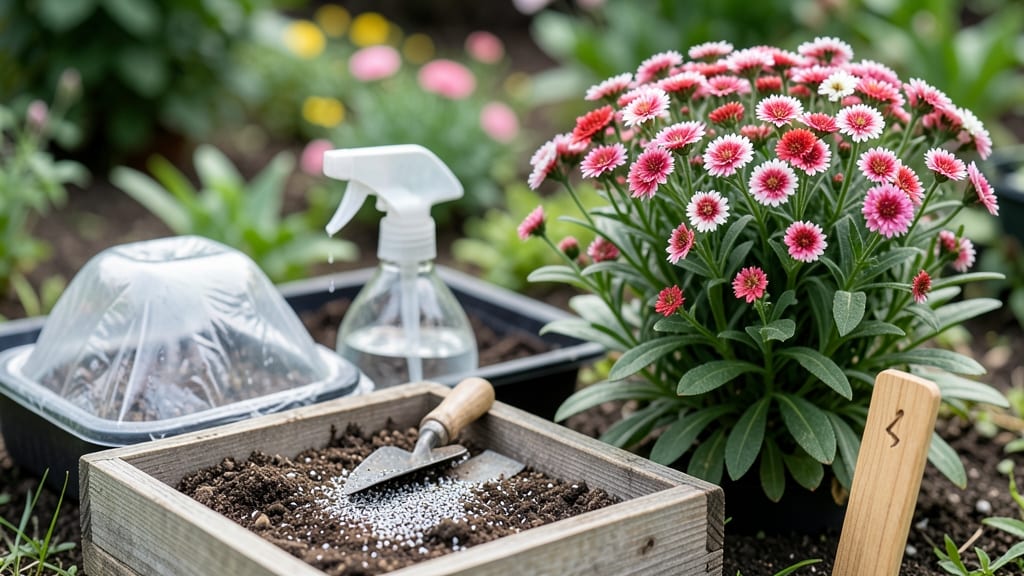
Australia’s climate zones & ideal Dianthus planting months by region
Australia’s diverse climate zones mean dianthus seeds thrive in different planting windows. In temperate zones like Sydney and Melbourne, aim for August to October—just before spring’s warmth.
Meanwhile, subtropical regions such as Brisbane can start as early as July, while Mediterranean climates like Perth prefer late winter (August–September) to avoid summer heat stress.
Cooler months are critical for germination success. Dianthus seeds need soil temperatures between 10–15°C to sprout reliably. Planting too early risks frost damage, while late planting may lead to bolting (premature flowering) or weak stems.
Always check your local last frost date—Sydney’s is around mid-June, while Melbourne’s extends to mid-July.
Here’s how to align your planting with Australia’s key regions:
| Climate Zone | Best Planting Months | Key Considerations |
|---|---|---|
| Temperate (Sydney, Melbourne, Adelaide) | August–October | Avoid frost; soil must warm to 12°C+. |
| Subtropical (Brisbane, Gold Coast) | July–September | Humidity helps germination; watch for fungal risks. |
| Mediterranean (Perth, Albany) | August–September | Dry summers; prioritize well-draining soil. |
| Tropical North (Cairns, Darwin) | May–July | Cooler dry season; use shade cloth if needed. |
For coastal areas, like Byron Bay or Margaret River, you can push boundaries slightly—July or November work well due to milder microclimates. However, inland regions (e.g., Wagga Wagga) should stick to August–September to avoid extreme heat or cold snaps.
If you’re growing dianthus in containers, timing shifts slightly. Pots warm faster in spring, so you might start 2–3 weeks earlier than in-ground planting. Just ensure your containers have drainage holes to prevent waterlogging, which can rot seeds before they sprout.
Pro tip: Use a seedling heat mat (set to 15–20°C) if your region’s soil stays too cool. This trick extends your planting window by 2–4 weeks in marginal zones like Canberra or Hobart, where frosts linger longer.
Always monitor local weather forecasts for rainfall predictions. Dianthus seeds need consistent moisture to germinate—10–15mm of rain per week or hand-watering at soil level (not overhead) works best. Overhead watering can wash seeds away or cause fungal issues.
Finally, note that dianthus varieties differ in hardiness. Dianthus barbatus (Sweet William) tolerates cooler temps, while Dianthus chinensis prefers warmth. Check your seed packet for specific guidance—this tweaks your ideal planting window by 1–2 months in some cases.
🌸
Australia’s climate zones & ideal Dianthus planting months by region
Australia’s diverse climates mean Dianthus planting times vary dramatically—from cooler coastal areas like Sydney to hotter inland regions like Adelaide. The key is planting when soil temps hit 10–15°C and avoiding summer heatwaves that stress seeds. Let’s break it down by zone to ensure your Dianthus thrives.
In temperate zones (e.g., Melbourne, Sydney), aim for August–September when frost risk drops but summer heat hasn’t arrived. Subtropical areas (Brisbane, Cairns) can plant slightly later—September–October—while Mediterranean climates (Perth) benefit from winter sowing (June–July) to beat summer drought.
Here’s a quick reference for your region:
| Climate Zone | Best Planting Months | Key Considerations |
|---|---|---|
| Temperate (Sydney, Melbourne) | August–September | Avoid frost (after June 15); soil must be 10–15°C. |
| Subtropical (Brisbane, Cairns) | September–October | Humidity helps germination; watch for fungal risks in wet seasons. |
| Mediterranean (Perth, Adelaide) | June–July (winter) | Plant before summer heat; use mulch to retain moisture. |
| Tropical (Darwin, Northern QLD) | May–June (dry season) | Avoid wet season (November–April); use shade cloth if needed. |
For coastal regions, like Gold Coast or Byron Bay, you can stretch planting to November if you’re using shade cloth to protect seedlings from harsh afternoon sun. Inland areas (e.g., Albury-Wodonga) should plant by late August to avoid heat stress.
Pro tip: Use a seedling heat mat if planting in cooler zones (e.g., Tasmania) to maintain 15–20°C soil temps. This gives seeds a head start in chilly autumns.
Remember, Dianthus hates soggy soil—always plant in well-draining mixes with sand or perlite to prevent rot. Once established, these flowers are drought-tolerant, but seedlings need consistent moisture.