
Plants
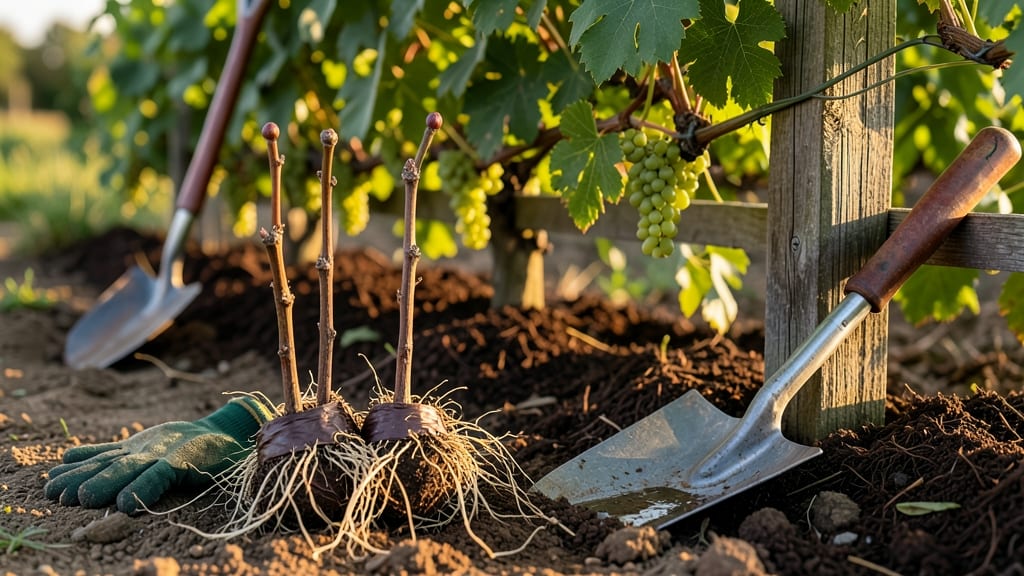
Timing your grape planting in Arizona (AZ) can mean the difference between thriving vines and struggling plants—especially with USDA Zone 9b's unique climate.
The best window to plant grapes isn't just about the calendar; it's about avoiding the brutal summer heat and making the most of the cooler winter months.
If you've ever wondered why some grape growers swear by late fall planting while others prefer early winter, the answer lies in Arizona's chill hours and frost patterns. Planting during November through February gives your 🍇 vines the perfect head start, allowing roots to establish before the desert sun intensifies.
For Arizona gardeners, choosing the right time isn't just about the season—it's about the variety. Heat-tolerant grapes like Flame Seedless thrive with this timing, while wine grapes may need extra care to survive the low-chill environment.
Let's break down the best months for each type and how to set your vines up for success.
Whether you're a first-time grower or a seasoned gardener, getting the timing right is the key to a bountiful harvest. I'll walk you through the exact steps to plant grapes in Arizona, so you can enjoy fresh fruit from June through September without the guesswork.
Best months to plant grapes in Arizona by variety type
Arizona’s desert climate demands precise planting timing for grapes. Unlike cooler regions, fall and winter are your best windows—when soil temps drop below 80°F and frost risks are minimal. The key? Planting dormant bare-root vines between November and February ensures roots establish before Arizona’s brutal summer heat arrives.
Your choice of grape variety dictates success. Heat-tolerant table grapes like Flame Seedless thrive in Phoenix’s Low Desert (Zone 10a), while wine grapes such as Tempranillo need the cooler High Desert (Zone 7b).
Raisin grapes like Muscat of Alexandria bridge the gap, handling both extremes with low chill-hour needs (0-300).
Timing varies by elevation: Low Desert growers (Phoenix, Tucson) should plant in November-December, while High Desert growers (Flagstaff, Prescott) can extend to January-February. Soil temps below 70°F are ideal—use a soil thermometer to confirm.
🌱
For Low Desert growers, prioritize early November planting to avoid January frost risks (common in Tucson). In High Desert areas, February planting works—just protect vines with burlap wraps if temps dip below 25°F.
Pro tip: Soak bare-root vines in water for 1–2 hours before planting to revive roots.
Moisture matters most in Arizona’s first 30 days post-planting. Water deeply 2–3 times per week until roots establish (look for new shoots in 4–6 weeks). Avoid overhead watering—drip irrigation at the base prevents fungal diseases like powdery mildew, a common Arizona grape killer.
Your trellis system should be installed before planting. Arizona’s prevailing winds can snap young vines, so use T-posts with wire trellises for stability. Space vines 6–8 feet apart to improve airflow and reduce heat stress.
🌿
Spring planting (March–April) is a no-go in Arizona. By then, soil temps exceed 85°F, shocking young roots. If you miss the fall/winter window, wait until next November—your grapes will thank you with healthier vines and bigger yields.
Local nurseries like Desert Harvest Nursery (Tucson) or Arizona Farm Bureau Federation stock Arizona-adapted varieties. Ask for grafted vines if your area has phylloxera (a soil-borne pest). Grafting adds $10–$20 upfront but saves vines long-term.
✂️
How chill hours affect Arizona grape planting success
Arizona’s low chill hours (typically 0-500 hours) force grape growers to choose varieties that thrive in warm climates. Most traditional wine grapes need 500+ chill hours, but Arizona’s USDA Zones 9b-11 limit you to heat-loving, low-chill varieties.
Understanding chill hours helps you pick the right grape—and plant at the perfect time.
Chill hours are the number of hours a plant experiences temperatures between 32°F and 45°F during dormancy. Arizona’s mild winters mean most grapes won’t get enough chill to break dormancy naturally.
That’s why heat-tolerant, early-budding varieties like Tempranillo or Flame Seedless succeed here. Planting at the right time maximizes their ability to adapt.
Here’s how chill hours impact your planting schedule: Varieties with 0-300 chill hours (like Muscat of Alexandria) can be planted as early as October, while those needing 300-500 chill hours (like Crimson Seedless) should wait until November or December to avoid premature budding in warm spells.
| Variety | Chill Hours Needed | Best Planting Month | Notes |
|---|---|---|---|
| Tempranillo | 200-300 | November-December | Heat-tolerant, great for wine |
| Flame Seedless | 150-250 | October-November | Early ripening, table grape |
| Crimson Seedless | 300-400 | November-January | Raisin grape, needs cooler roots |
| Muscat of Alexandria | 0-100 | October-December | No chill requirement, drought-resistant |
If you’re unsure about chill hours in your area, use a chill-hour calculator (like the one from University of Arizona Cooperative Extension) to input your local winter temps. For example, Phoenix (Zone 10a) averages only 100-200 chill hours, while Flagstaff (Zone 7a) gets 500-700 hours.
Adjust your planting window accordingly—Flagstaff can handle Cabernet Sauvignon in November, while Phoenix should stick to Muscat planted in October.
Pro tip: Mulch heavily (4-6 inches of straw or wood chips) to protect roots from temperature swings. This mimics the chill hours grapes need by keeping soil temps stable. Pair this with drip irrigation to avoid stress during Arizona’s brutal summers.
Remember, planting too early risks frost damage, while planting too late delays root establishment. Aim for 60-70°F soil temps and cooler daytime highs (70°F or below)—ideal conditions for Arizona grape roots to take hold before the heat arrives.