
Plants
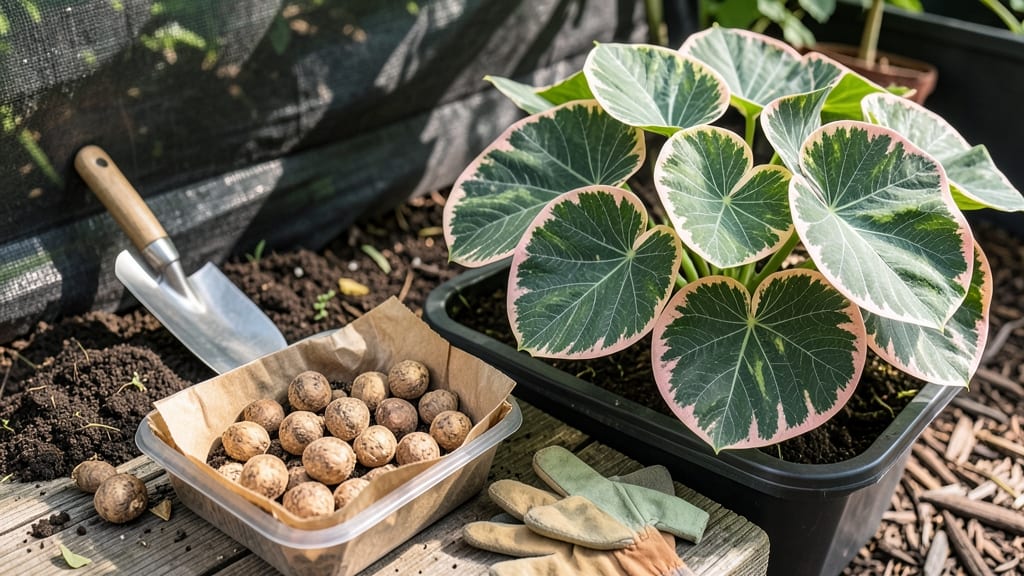
If you've ever wondered when to plant caladium bulbs in Alabama, timing is everything—because these heat-loving plants 🌿 can't tolerate even a hint of frost. Plant too early, and your bulbs might rot; too late, and you'll miss out on those stunning, tropical-looking leaves that thrive all summer long.
Alabama's USDA Zones 7b-8a give you a narrow window to get it right, typically between March and April after the last frost date. But don't just guess—soil temperature matters just as much as the calendar.
I'll break down the exact steps to ensure your caladiums take root in warmth and flourish until fall.
What makes this even trickier? Alabama's climate varies from north to south, meaning your neighbor might plant a week earlier or later than you. I'll share how to adjust for your specific microclimate so you're not left with wilted leaves or missed growing seasons.
Once you master the timing, caring for your caladiums becomes a breeze—think rich soil, partial shade, and consistent moisture. Let's dive into the foolproof schedule that'll have your garden bursting with color by spring.
Alabama’s ideal caladium planting window: avoiding frost and heat shocks
Caladium bulbs, also known as elephant ears, are heat-loving plants that thrive in Alabama’s long, hot summers. But their frost sensitivity means timing is everything—plant too early, and you risk bulb rot from lingering cold. Too late, and you might miss the full seasonal display of their stunning foliage.
Alabama’s USDA Zones 7b-8a offer a 215-day frost-free window, but your exact planting date depends on soil temperature, last frost dates, and your region’s microclimate.
For most Alabama gardeners, the ideal window is between mid-March and early April, after the average last frost date of March 15.
Here’s the science-backed timeline to ensure your caladiums bloom on schedule without risking frost damage or heat shock:
🌱 Caladium Planting Timeline for Alabama
| Stage | Action | Notes |
|---|---|---|
| Late February | Start bulbs indoors (if desired) | Use pots with drainage; keep soil at 70-75°F |
| Mid-March | Hardening off seedlings | Acclimate to outdoor temps over 7-10 days |
| After last frost (March 15) | Plant outdoors | Soil temp should be 60°F+; depth: 4-6 inches |
| April-May | Fertilize and mulch | Use 10-10-10 fertilizer; mulch to retain moisture |
| June-October | Enjoy peak foliage | Water deeply every 5-7 days; avoid afternoon sun |
For North Alabama gardeners (e.g., Huntsville, Decatur), where frosts linger longer, aim for early April planting to avoid late-season cold snaps. In South Alabama (e.g., Mobile, Birmingham), you can plant as early as late March, but monitor soil temperatures—caladiums won’t thrive if the ground stays below 60°F.
Pro tip: Use a soil thermometer to confirm readiness. If your soil is below 60°F, wait a few more days—cool soil = stunted growth. Once planted, mulch with 2-3 inches of organic matter to insulate roots and lock in moisture during Alabama’s sweltering summer heat.
Remember, caladiums are tender perennials—they’ll die back with frost but can be dug up and stored for next year. By following this timeline, you’ll ensure your elephant ears put on a show-stopping display from late spring until fall.
If you’re in a warmer microclimate (e.g., near a lake or in a sheltered garden), you might even push planting to early February—but only if you’re 100% sure of no frost risk. For most Alabama gardens, mid-to-late March is your safest bet.
🌿
3 Critical factors that determine your exact planting date in Alabama
Alabama’s diverse climate means your caladium planting date can vary by hundreds of miles. In North Alabama’s cooler microclimates (like Huntsville), you might wait until mid-April, while South Alabama gardeners (like those in Mobile) can plant as early as late February.
The key is understanding three critical factors that override general timelines.
First, soil temperature is non-negotiable—caladium bulbs need 60°F+ soil to thrive. Use a soil thermometer to check: if it’s below 55°F, delay planting. Cold soil causes rot and poor root development, even if air temps feel warm.
Second, your caladium variety matters: ‘Carolyn Whipple’ (heat-tolerant) can handle earlier planting, while ‘White Queen’ (delicate foliage) needs warmer soil.
Third, local microclimates create surprises. Urban areas like Birmingham heat up faster than rural spots, while valleys stay cooler longer. Check your last frost date (typically March 15 in North Alabama, February 28 in South), then add 2-3 weeks for soil warmth.
Pro tip: Plant near south-facing walls or under dappled shade trees to extend your growing season.
- Soil Temperature: Wait until soil hits 60°F+ (use a thermometer!). Cold soil = rot risk.
- Variety Heat Tolerance: ‘Carolyn Whipple’ (earlier) vs. ‘White Queen’ (later). Check tags!
- Microclimate: Urban areas warm faster. Valleys stay cooler. Adjust by 1-2 weeks.
- Last Frost Date: North AL: March 15 | South AL: Feb 28. Add 2-3 weeks buffer.
- Sun Exposure: Partial shade (4-6 hrs sun). Avoid hot afternoon sun in summer.
For container gardening, you’ve got flexibility: start bulbs indoors in February under grow lights, then transplant after last frost. But if planting directly outdoors, wait until nighttime temps stay above 55°F. A simple trick? Monitor your neighborhood’s weather station—local data beats guesswork every time.
Don’t forget Alabama’s humidity! While caladiums love moisture, stagnant water in heavy clay soil (common in North AL) can drown bulbs. Amend soil with compost or perlite to improve drainage.
In South Alabama’s sandy soils, mulch heavily to retain moisture. Both regions benefit from morning watering to reduce fungal risks.
Timing isn’t just about dates—it’s about reading your garden’s signals. If your caladium leaves yellow after planting, it’s a cry for warmer soil or less water.
Adjust and watch your elephant ears flourish until first frost (usually mid-November). With these factors nailed down, you’ll have show-stopping foliage all summer long. 🌿