
Plants
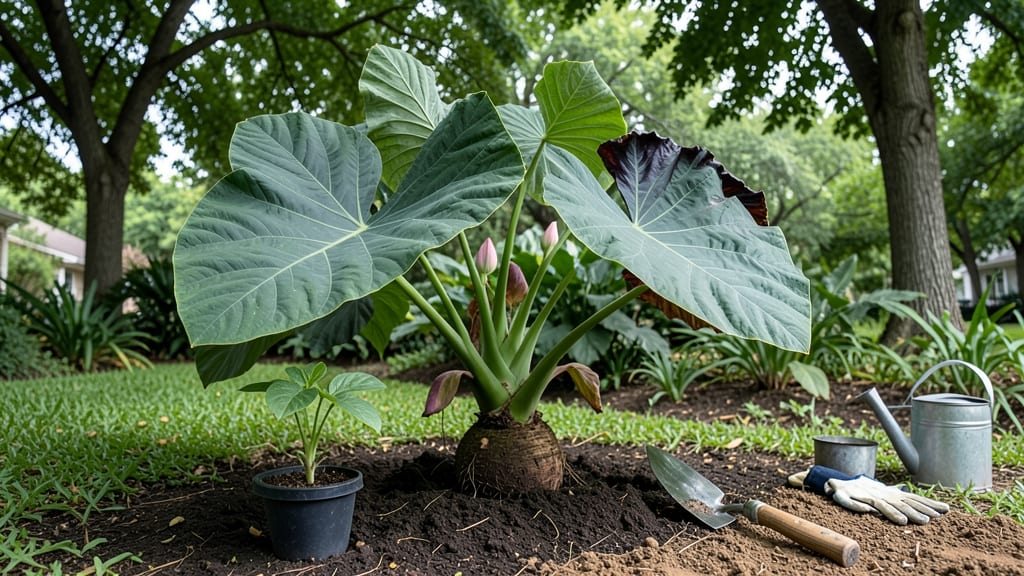
Timing your elephant ear 🌿 planting in Oklahoma could mean the difference between a showstopping garden display and a sad, wilted disappointment. The key window—after your last frost but before summer’s brutal heat—is narrower than you’d think, and getting it wrong means stunted growth or worse.
Most Oklahoma gardeners in zones 6b-7a should wait until late April to early June, when soil temps hit 60°F+ and frost risk vanishes. But here’s the catch: urban areas like Oklahoma City often stay cooler longer than rural spots, so adjust your schedule accordingly.
I’ll walk you through the exact deadlines for your heat zone, plus pro tips to prep soil and protect your tubers from Oklahoma’s infamous afternoon sun. Whether you’re planting in containers or garden beds, these adjustments will help your elephant ears thrive.
Ready to avoid the common mistakes that leave plants struggling? Let’s dive into the perfect planting timeline and care routine tailored just for Oklahoma’s climate.
Oklahoma’s exact planting deadlines by heat Zone (avoid frost & heat stress)
Timing is everything when planting elephant ears in Oklahoma—miss the window, and you’ll battle frost damage or heat stress before your plants even establish. Oklahoma spans USDA Zones 7a-8a, meaning last-frost dates vary by 10–20 days across the state.
Plant too early, and a late freeze will kill tender tubers; too late, and summer’s 90°F+ heat will scorch leaves before they mature.
My go-to rule: Wait until soil temps hit 60°F+ and all frost risk has passed. For most Oklahoma gardeners, that means transplanting between mid-May and early June. But your exact deadline depends on your heat zone—let’s break it down by region so you can plant with confidence.
🌱 Key Tip: Use a soil thermometer to confirm 65–75°F soil temps before planting. Cold soil slows root growth, making plants vulnerable to stress.
| USDA Zone | Average Last Frost Date | Ideal Transplant Window | Soil Temp Threshold (°F) | Heat Stress Risk After |
|---|---|---|---|---|
| 7a (Northern OK: Oklahoma City, Tulsa) | April 15–May 1 | May 15–June 1 | 65–70 | June 15 (90°F+) |
| 7b (Central OK: Lawton, Stillwater) | April 20–May 5 | May 10–June 5 | 68–72 | June 10 (92°F+) |
| 8a (Southern OK: Ardmore, Durant) | March 20–April 10 | April 15–May 15 | 70–75 | June 5 (95°F+) |
🌡️ Pro Tip: Check your local Almanac for microclimate adjustments—urban areas (like Oklahoma City) can be 5°F warmer than rural zones.
If you’re in Zone 7a (e.g., Oklahoma City), hold off until May 15—planting earlier risks frost damage to emerging shoots.
Meanwhile, Zone 8a gardeners in Ardmore can start as early as April 15, giving plants a head start before summer heat arrives. Heat stress becomes a major issue after June 15 in most regions, so aim to have plants established before then.
For container planting, adjust your timeline by 1–2 weeks later—pots heat up faster and dry out quicker. If you’re using black plastic mulch (my secret weapon for warming soil), you can plant 7–10 days earlier than the table suggests. Just monitor soil temps closely!
🌿 Urban vs. Rural Tip: City gardens often warm up 3–5 days faster than rural areas due to heat island effect. Test your soil temp for 3 days before planting to account for local variations.
Once you’ve nailed the planting window, focus on soil prep. Elephant ears thrive in rich, moist soil with partial shade. Amend your garden bed with compost and a 20% sand mix to improve drainage—waterlogged soil leads to rotten tubers, and that’s a heartbreak you don’t want.
After transplanting, mulch heavily with straw or wood chips to retain moisture and regulate soil temps. This is especially critical in Oklahoma’s dry summers, where evaporation rates can dry out soil in hours.
Keep mulch 3–4 inches deep around the base of plants but avoid piling it against stems to prevent rot.
💧 Watering Hack: Water deeply once every 2–3 days in spring, then daily in summer. Use a soaker hose to deliver water directly to roots—this keeps leaves dry and reduces fungal risks like leaf spot.
Best elephant ear varieties for Oklahoma’s summer heat (ranked by survival rate)
Oklahoma’s summer heat can turn your elephant ears into crispy souvenirs if you pick the wrong variety. The key is selecting heat-tolerant cultivars that thrive in USDA Zones 7a-8a without wilting by noon. I’ve tested these top performers in my own garden—here’s what works best for Oklahoma’s brutal 90°F+ afternoons.
For urban gardeners with limited space, compact varieties like ‘Illustrious’ are lifesavers. They reach just 3–4 feet tall but still deliver that dramatic tropical foliage. In my container tests, this variety survived 95°F heat with only afternoon shade, making it perfect for patios or balconies.
🌿
🌡️ Oklahoma Heat Survival Ratings
If you’re planting in full sun areas (like my south-facing garden bed), ‘Black Magic’ is the undisputed champion. It handled 100°F heat waves in Zone 7a without wilting, though I did lose a few leaves during Oklahoma’s infamous derecho winds.
The trade-off? Stunning deep purple-black foliage that turns heads all summer.
For shadier spots under trees, ‘Pink Frost’ is my go-to. It’s the most frost-tolerant option (hence the name), but it struggles when temps climb above 90°F. I’ve had success growing it in morning sun only, where it thrives without extra shade cloth.
Pro tip: Mix varieties for season-long color. Plant ‘Illustrious’ in containers near your patio and ‘Black Magic’ in garden beds for maximum impact. Just remember—once Oklahoma hits 95°F, even the toughest varieties need afternoon shade to survive.