
Plants
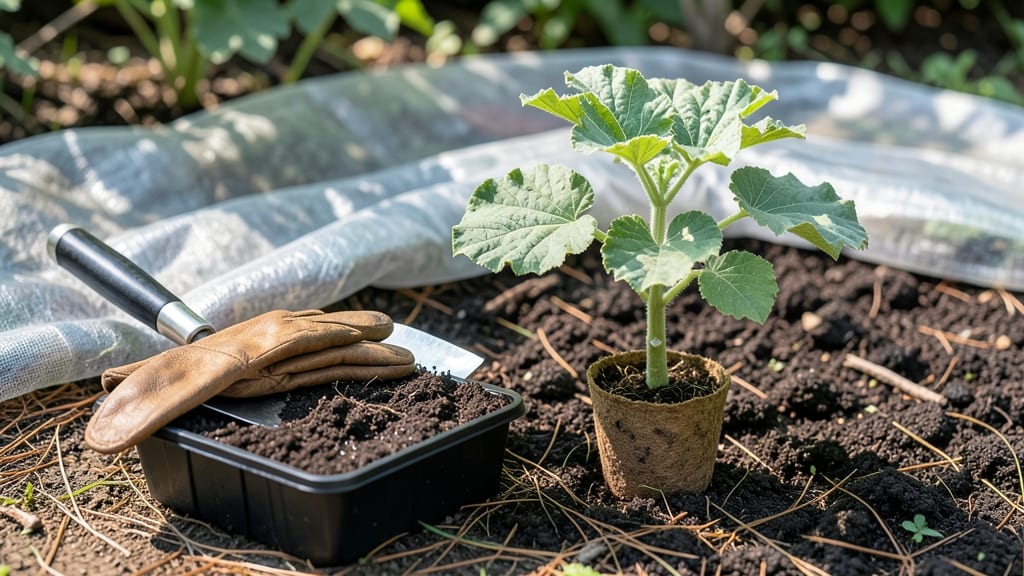
Timing your cantaloupe planting in Ohio isn’t just about waiting for spring—it’s about catching that sweet spot between frost risk and scorching summer heat. Get it wrong, and you might end up with bitter melons or no harvest at all.
The key? Planting after the last frost when soil hits a steady 70°F—typically mid-May to early June—but knowing your exact zone matters more than you’d think.
Ohio’s 6a climate throws a few curveballs, from late spring freezes in the north to sudden heat waves that can stress young plants. Whether you’re in Columbus, Cincinnati, or Cleveland, local frost-free dates shift by weeks.
I’ll break down the exact windows you need to avoid those costly mistakes and maximize your 🍈 harvest.
You’ll also discover how to stretch your growing season with simple tricks—like mulch or row covers—to protect delicate vines from Ohio’s unpredictable weather. No more guessing games: just data-driven planting times tailored to your backyard.
Ready to grow sweeter, juicier cantaloupes? Let’s dive into the precise schedule that’ll turn your Ohio garden into a melon goldmine.
Ohio cantaloupe planting calendar: frost-free dates & soil temperature guide
Ohio’s cantaloupe planting success hinges on two critical factors: soil temperature and frost-free dates. Unlike heat-loving melons, cantaloupes won’t germinate in cold soil—waiting for 70°F+ soil temps prevents seed rot and ensures strong starts.
Meanwhile, Ohio’s last frost dates vary by region, with northern areas like Cleveland often facing frost until May 15, while southern Cincinnati gardeners can plant as early as April 20.
For Columbus gardeners, aim for mid-May planting after the average last frost of April 25. Use a soil thermometer to confirm warmth—cantaloupe seeds won’t sprout below 65°F, but roots struggle below 70°F.
Pro tip: Black plastic mulch warms soil 5-10°F faster than bare earth, giving you a 2-week earlier planting window.
Here’s your Ohio cantaloupe planting timeline by region, including soil prep steps to avoid common mistakes like blossom-end rot from uneven moisture.
🌱 Ohio Cantaloupe Planting Summary
| Region | Last Frost Date | Ideal Planting Window | Soil Temp Requirement | Key Prep Step |
|---|---|---|---|---|
| Northern Ohio (Cleveland, Toledo) | May 10–15 | May 20–June 5 | 70°F+ (use mulch) | Test soil pH (6.0–6.8) |
| Central Ohio (Columbus, Dayton) | April 25–May 5 | May 10–25 | 68°F+ (minimum) | Add compost (2–3 inches) |
| Southern Ohio (Cincinnati, Lexington) | April 15–20 | April 25–May 10 | 65°F+ (risky below 70°F) | Use row covers for early starts |
If you’re planting directly in the garden, time your sowing for 2–3 weeks after your region’s last frost date.
For example, Cleveland gardeners should wait until May 20 to avoid late spring frosts, which can kill young seedlings overnight. Southern Ohio offers a narrower window—plant by May 10 to ensure harvests before September’s early frosts.
For extended harvests, try succession planting: sow a second batch 4–6 weeks later if your summer stretches into August or September. This works best in USDA Zone 7 areas like Cincinnati, where first frost often arrives October 15 or later.
Just ensure your second planting has 80+ days to maturity.
Ohio’s humidity and heat waves can stress cantaloupes, so prioritize well-draining soil with 1–2 inches of compost. Amend heavy clay soils with sand or perlite to prevent root rot, a common issue in wet springs.
A soil test before planting ensures pH stays between 6.0–6.8, the sweet spot for cantaloupe growth.
Missed the ideal window? Don’t despair—black plastic mulch can warm soil enough to plant 2 weeks earlier in most of Ohio. Lay it down 1–2 weeks before your target planting date to jumpstart germination. Just remove it after planting to avoid overheating young vines.
Protect your cantaloupes from Ohio’s late spring rains by choosing raised beds or mounding soil to improve drainage. This is especially critical in northern Ohio, where May showers can delay planting by 10+ days. Elevate beds 6–12 inches off the ground for faster warming and better air circulation.
Remember: Cantaloupes need heat—they won’t set fruit if nighttime temps drop below 60°F. In Cleveland’s cooler summers, opt for earlier-maturing varieties like ‘Hale’s Best’ (70 days) to avoid missed harvests. Track your local microclimate using a weather station or garden journal to refine future planting dates.
🌱
How to extend Ohio’s cantaloupe growing season with smart planting strategies
Ohio’s short growing season and unpredictable summer heat waves can challenge cantaloupe lovers, but with the right strategies, you can push your harvest window by 3-4 weeks. The key lies in combining season extension tools with staggered planting to create ideal conditions for your vines.
First, focus on soil warming—cantaloupes crave 70°F+ soil temperatures to thrive. Black plastic mulch absorbs sunlight and raises soil temps by 10-15°F, accelerating germination and growth. Lay it down 1-2 weeks before planting to give your soil a head start, especially in cooler northern Ohio regions like Cleveland.
For early varieties, use floating row covers during the first 2-3 weeks after planting. These lightweight fabrics protect young plants from late spring frosts and cold snaps while still allowing sunlight and water to penetrate. Remove covers once vines reach 6 inches tall to prevent overheating.
🌱 5 Smart Strategies to Extend Ohio Cantaloupe Season
- 1. Black Plastic Mulch: Warms soil 10-15°F faster than bare ground.
- 2. Row Covers: Protect seedlings from frost for 2-3 weeks post-planting.
- 3. Staggered Planting: Sow seeds every 2 weeks for continuous harvests.
- 4. Raised Beds: Heat up quicker than in-ground soil in spring.
- 5. Drip Irrigation: Maintains consistent moisture during Ohio's dry spells.
Don’t overlook staggered planting—this is your secret weapon against Ohio’s short summer. Instead of one massive planting, sow seeds every 2 weeks from mid-May through early June.
This ensures a rolling harvest from July through August, giving you fresh cantaloupes even if early plantings struggle with heat or humidity.
For southern Ohio growers (like those in Cincinnati), consider late June plantings of heat-tolerant varieties. While traditional wisdom says cantaloupes need warm soil, newer hybrids like 'Athena' can handle slightly cooler conditions. Just be prepared to use shade cloth during 90°F+ heat waves to prevent sunscald on young fruits.
Finally, pair these strategies with proper soil prep: mix in compost and aged manure before planting to improve drainage and fertility. Ohio’s clay-heavy soils can become waterlogged, so amending them in advance prevents root rot—a common issue in humid summers.