
Plants
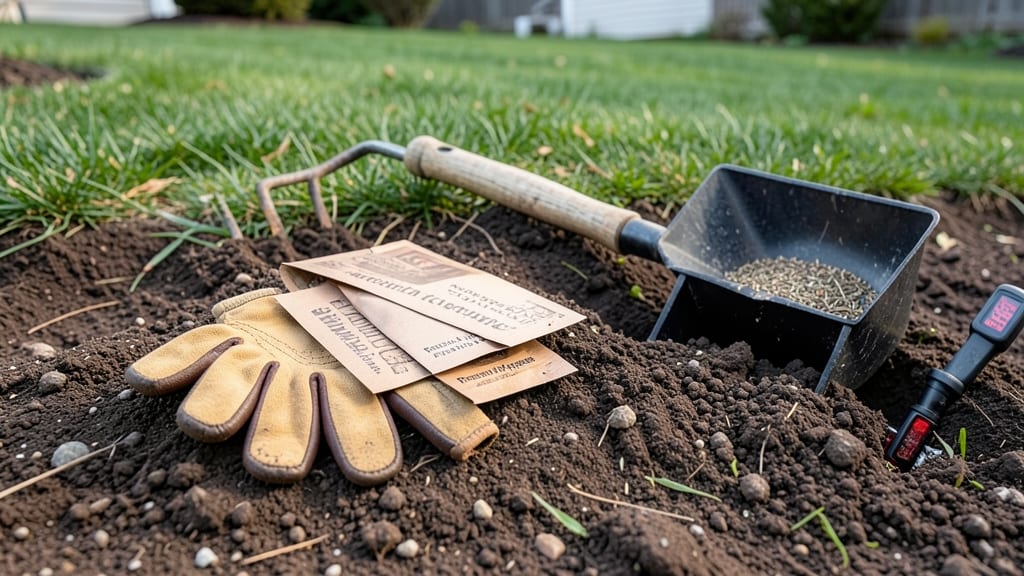
Timing your grass planting in Ohio spring isn't just about throwing seed on the ground—it's about catching that sweet spot between frost and soil warmth that makes all the difference for your 🌱 turfgrass.
With Ohio's unpredictable weather, getting it wrong can mean weeks of patchy growth or even failed germination, leaving you staring at a brown yard when your neighbors' lawns are already lush.
Most gardeners in zones 6a-6b wait until after the last frost—typically around mid-April—but that's only half the battle. The real secret? Soil temperature. Cool-season grasses like Kentucky bluegrass need the ground to hit at least 50°F before you plant, while warm-season varieties prefer 60°F+.
Without checking, you might be planting too early or too late, wasting time and money.
I've seen firsthand how a few weeks' difference can turn a dream lawn into a disappointment. Whether you're seeding a new yard or overseeding an existing one, knowing when to plant isn't just helpful—it's essential.
Let me walk you through Ohio's frost-free deadlines, soil temperature rules, and how to adjust for late spring surprises so your grass gets the perfect start.
From choosing the right grass type for your region to preparing your soil properly, we'll cover everything you need to know. By the end, you'll have a clear timeline for planting—plus tips to troubleshoot Ohio's unpredictable spring weather. Let's get that lawn growing right!
Ohio spring planting deadlines by zone: frost-free dates & soil temperature rules
Ohio’s spring planting window for grass depends on two critical factors: frost-free dates and soil temperature. Northern Ohio (USDA Zones 5-6) typically waits until late April to early May, while southern Ohio (Zone 7) can start as early as mid-April.
The key is planting when soil reaches 50-60°F—cool-season grasses like Kentucky bluegrass thrive in these temperatures.
Use Ohio’s last frost dates as a guideline: April 15 in most areas, but late frosts can linger until May 10 in northern regions. Warm-season grasses like Bermuda grass need even warmer soil (65°F+) and should wait until late May to June.
Always check your local USDA zone map for precise timing.
Here’s the critical rule: Never plant grass when nighttime temperatures dip below 50°F. Young seedlings are vulnerable to frost damage, which can stunt growth or kill them entirely. If you’re unsure, use a soil thermometer—it’s your best tool for accuracy.
Ohio’s climate varies dramatically from urban heat islands (like Columbus) to rural cooler pockets. Urban areas may warm up faster, allowing earlier planting, while rural zones might need to wait 1-2 weeks longer. Always monitor local weather forecasts for late-season frost warnings.
For cool-season grasses, aim for March to early May planting. These varieties establish roots quickly in cooler soil and handle Ohio’s spring showers better than warm-season types. If you miss this window, fall planting (late August to September) is your next best option.
Warm-season grasses, like Zoysia or Bermuda, should wait until late May to June when soil temperatures consistently stay above 65°F. These grasses grow slower in cooler weather but become drought-resistant once established—ideal for southern Ohio’s hot summers.
Pro tip: If you’re overseeding an existing lawn, follow the same soil temperature rules. Cool-season grasses will fill in bare patches faster in spring, while warm-season grasses are better for summer repairs.
🌱 Visual Guide: Use the table below to match your Ohio zone, frost-free date, and ideal planting window for both cool-season and warm-season grasses.
| Zone | Last Frost Date | Ideal Soil Temp | Cool-Season Planting Window | Warm-Season Planting Window |
|---|---|---|---|---|
| Northern Ohio (5a-5b) | April 25 - May 10 | 50-60°F | Late April - Early May | Late May - June 15 |
| Central Ohio (6a) | April 15 - April 30 | 50-60°F | Mid-April - Early May | Late May - June 10 |
| Southern Ohio (7a) | March 25 - April 15 | 50-65°F | Early April - Late April | April 30 - May 15 |
Note: Adjust for microclimates (urban vs. rural). Always verify with a soil thermometer.
If you’re planting new lawns, prepare your soil 2-4 weeks before planting by tilling, removing weeds, and adding compost or starter fertilizer. For overseeding, mow existing grass short (1-1.5 inches) and rake to expose soil. This helps new seeds make direct contact with the ground.
Remember: Early spring planting (before April 15) risks frost damage, while late spring planting (after May 15) may lead to summer drought stress. Balance these risks with your local weather patterns—Ohio’s spring is famously unpredictable!
For extra protection, consider using a lightweight row cover if late frosts are forecasted. This allows sunlight to reach seedlings while shielding them from cold snaps. Always remove covers during the day to prevent overheating.
🌿 Key Takeaway: The perfect Ohio spring planting window is when your soil hits 50-60°F and the last frost date has passed. Use the table above to pinpoint your zone, then adjust for local conditions—your future lawn will thank you!
How to test soil warmth & adjust planting for Ohio’s unpredictable spring
Ohio’s spring weather can swing from freezing nights to scorching afternoons in weeks, making it tricky to nail the perfect grass planting window. A soil thermometer becomes your best friend here—it tells you exactly when the ground is warm enough for seeds to germinate, regardless of air temperature. For most cool-season grasses like Kentucky bluegrass or tall fescue, aim for soil temps between 50-60°F. Warm-season grasses like Bermuda need 65°F+, so timing shifts based on your variety. Before you rush to plant, check local frost forecasts for late-season cold snaps. Northern Ohio (USDA zones 5-6) often sees frost until mid-May, while southern Ohio (zone 7) may be safe by early April. Use a digital soil thermometer (available for $10-$20) to test 2 inches deep—this is where seeds will germinate. If temps drop below 40°F at night, delay planting or use a lightweight frost blanket to protect young sprouts.🌱