
Plants
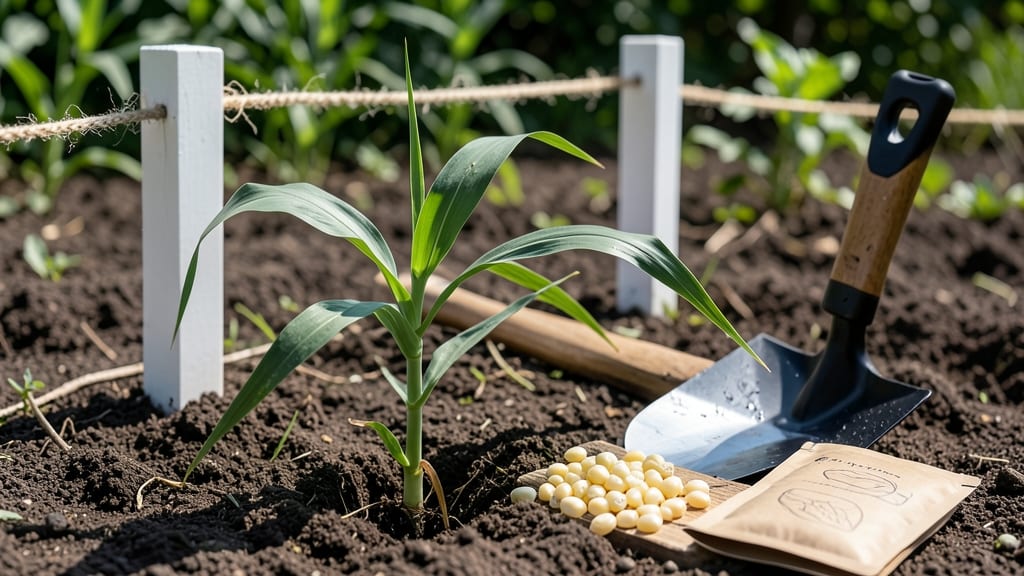
Montana corn planting dates by hardiness Zone (soil temp & frost deadlines)
Montana’s USDA hardiness zones 4-7 create dramatic differences in corn planting windows. In Zone 4 (eastern plains), you’ll plant 2-3 weeks later than in Zone 7 (southwestern valleys).
The key? Soil temperature must reach 50°F for germination and 60°F for steady growth—both critical thresholds Montana’s spring often flirts with unpredictably.
Most Montana gardeners aim for mid-May to early June planting, but your exact timeline depends on whether you’re in Missoula’s cooler microclimate or Billings’ warmer basin.
A late frost in Zone 5 (like May 20) can wipe out seedlings overnight, while Zone 6 gardeners might start by May 10 if soil warms early. Always verify your last frost date using local Almanac records or NOAA frost maps.
Here’s how Montana’s zones break down for corn planting readiness, including soil temp requirements and frost-free deadlines:
| USDA Zone | Last Frost Date | Safe Planting Window | Soil Temp Threshold | Frost-Free Days |
|---|---|---|---|---|
| Zone 4 (Glacier, Northeast MT) | May 15–22 | May 25–June 5 | 60°F (15.5°C) | 100–120 days |
| Zone 5 (Bozeman, Helena) | May 1–10 | May 15–May 30 | 55–60°F (13–15.5°C) | 110–130 days |
| Zone 6 (Billings, Great Falls) | April 25–May 5 | May 1–May 15 | 50–55°F (10–13°C) | 120–140 days |
| Zone 7 (Missoula Valley) | April 15–25 | April 25–May 10 | 48–52°F (9–11°C) | 130–150 days |
Notice how Zone 7 can start planting 6 weeks earlier than Zone 4? That’s why soil temperature matters more than calendar dates. Use a soil thermometer (available at garden centers for ~$15) to confirm readiness—corn seeds won’t sprout below 50°F, even if the air feels warm.
Pro tip: Black plastic mulch can raise soil temps by 5–10°F, giving you a 2-week head start in cooler zones.
Montana’s eastern plains (like Zone 5) often see warmer microclimates near rivers or urban heat islands, while western mountain valleys (like Zone 6 Missoula) can have cold air pockets that delay planting.
Check with your local Cooperative Extension office for hyper-local adjustments—some areas experience late May frosts even in Zone 6.
For succession planting, plan to sow second batches every 2 weeks through June 15 to extend your harvest window. This works best with short-season varieties (like ‘Early Sunglow’, which matures in 70 days) that can handle Montana’s early September frosts.
Always account for 100–150 frost-free days—corn needs at least 90 days to produce ears, but 120 days ensures full maturity.
If you’re in Zone 4 or 5 and worried about late frosts, consider starter plants (available at nurseries) or biodegradable seedling pots to transplant after May 20. Just beware: Transplanted corn often struggles with root shock in Montana’s dry soils, so direct sowing is preferred for most varieties.
One final rule: Never plant corn before May 1 in Montana, even in Zone 7. The risk of soil-borne diseases (like fusarium) spikes in cold, wet springs, and corn planted too early often develops poor root systems.
Stick to the soil temp guidelines, and your Montana corn will reward you with sweet, plump ears by late summer.
🌽
How to adjust corn planting for Montana’s unpredictable weather patterns
Montana’s weather can shift faster than a mountain breeze, leaving gardeners scrambling to adjust planting timelines. Late frosts in May or unseasonable heat in June can throw off even the most careful plans.
The key is flexibility—using tools and techniques to extend your growing season and protect young corn seedlings from Mother Nature’s whims.
First, invest in a soil thermometer to track when temperatures consistently hit 50-60°F. Corn seeds won’t sprout reliably below 50°F, and roots struggle in cooler soils. Pair this with a frost watch app (like Old Farmer’s Almanac) to monitor last-frost dates for your specific microclimate.
In Zone 4, this might mean waiting until May 20, while Zone 7 could start as early as May 1.
Here’s my go-to strategy for adapting to Montana’s weather: combine black plastic mulch, cold-tolerant varieties, and succession planting. Black plastic warms the soil by 10-15°F, accelerating germination and giving seedlings a head start.
For late springs, I’ve planted ‘Golden Bantam’—a 75-day variety that tolerates cooler soils—under row covers until the danger of frost passes.
🌱 5 Proven Adjustments for Montana’s Weather
- 1. Use black plastic mulch to raise soil temps by 10-15°F and speed up germination.
- 2. Plant cold-hardy varieties like ‘Early Sunglow’ (65 days) or ‘Ambrosia’ (80 days).
- 3. Start seeds indoors 2-3 weeks before last frost, then transplant after soil warms.
- 4. Set up row covers for early planting—remove when plants reach 6 inches tall.
- 5. Monitor frost dates weekly and adjust planting windows by 7-10 days if late frosts occur.
🌡️ Pro tip: Combine mulch + row covers for a 20°F soil temp boost in chilly springs.
If spring arrives late, don’t panic—succession planting is your secret weapon. Instead of planting all your corn at once, stagger seeds every 10-14 days until early June. This ensures a continuous harvest and reduces the risk of losing your entire crop to a single late frost.
For example, plant 30% of seeds on May 15, another 30% on May 25, and the final 40% on June 5.
For gardeners in montane regions (like Missoula or Bozeman), where nights stay chilly longer, consider low tunnels or mini greenhouses. These create a microclimate that can extend the growing season by 3-4 weeks.
I’ve seen corn planted under low tunnels in late April in Zone 5, with no frost damage. Just remove the cover once plants are 12 inches tall to prevent overheating.
Finally, keep an eye on the 7-day forecast before planting. If a hard freeze is predicted within 10 days, delay planting until conditions stabilize. Corn is not frost-tolerant—even young seedlings can’t survive temperatures below 32°F.
When in doubt, wait one more week. A slightly later planting with healthy, robust plants beats a rushed start that leads to stunted growth or poor yields.
Remember, Montana’s growing season is short—every day counts. By combining soil warming tricks, cold-resistant varieties, and flexible planting strategies, you can turn unpredictable weather into an advantage. Your corn won’t just survive—it’ll thrive, no matter what Mother Nature throws your way. 🌽