
Plants
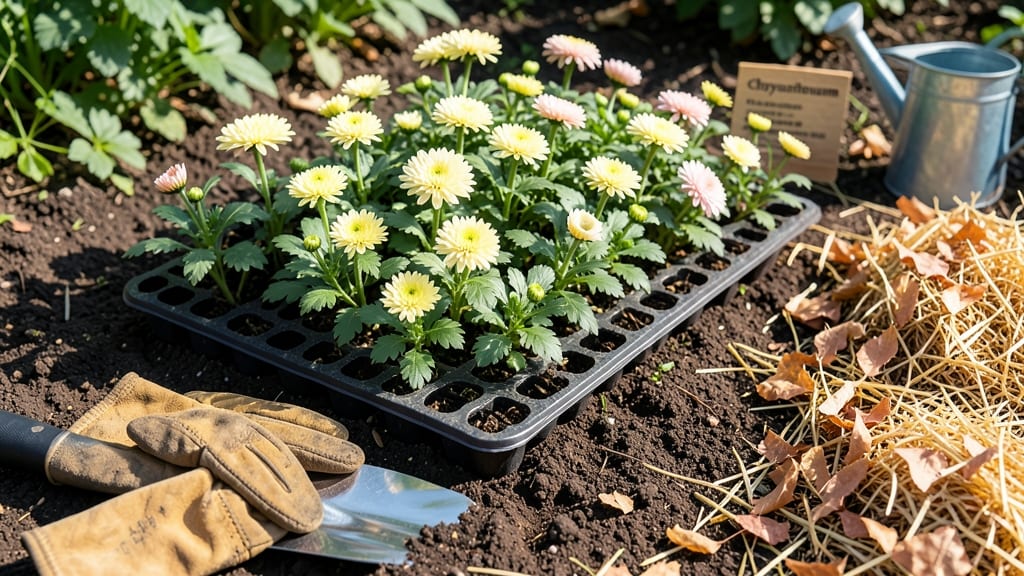
Timing your chrysanthemum planting in fall is the secret to vibrant blooms next season—get it wrong, and you might end up with weak stems or missed color.
The 6-8 week window before your first frost isn’t just a rule; it’s the difference between thriving 🌼 and struggling plants that never reach their full potential.
If you’re in USDA Zone 6a (like many gardeners), that means planting between mid-September and early October—just enough time for roots to establish before winter sets in. But here’s the catch: colder zones need earlier prep, while warmer areas can wait longer.
I’ll break down exactly when to plant based on your climate so you don’t guess.
You’ll also discover how to tell if your soil is ready (hint: it’s not just about temperature) and which chrysanthemum varieties handle fall planting best.
Whether you’re a beginner or a seasoned gardener, these tips will help you avoid common mistakes like planting too early in cold climates or missing the sweet spot for strong root growth.
Ready to transform your garden into a late-summer/fall blooming paradise? Let’s dive into the perfect timing, soil prep, and care tricks that’ll have your chrysanthemums thriving—no matter where you live.
Fall planting timeline by USDA hardiness zones: weeks before first frost
Planting chrysanthemums in the fall gives them a head start for stunning late-summer blooms, but timing is everything. The ideal window depends on your USDA hardiness zone and first frost date. Aim to plant 6-8 weeks before frost—this ensures strong root growth before winter dormancy.
In warmer zones, you can push it to 4-6 weeks, while colder zones need 8-10 weeks for safety.
For example, gardeners in Zone 3 (like Minnesota or Maine) should plant by early August, while those in Zone 10 (like Southern California) can wait until October. The goal is to let roots establish before soil temperatures drop below 50°F (10°C), which slows growth.
Use your local frost date as your anchor point and count backward.
Soil temperature is just as critical as frost dates. Chrysanthemums thrive when soil stays above 55°F (13°C) for root development. In cooler climates, use black plastic mulch or row covers to warm the soil and extend the planting window. Warmer soils speed up root establishment, giving your plants a competitive edge before winter.
Here’s a quick breakdown of zone-specific planting windows to help you plan. Adjust based on your local microclimate—urban areas often stay warmer than rural zones, while high-altitude gardens may need earlier planting.
| USDA Zone | Planting Window | Key Notes |
|---|---|---|
| Zones 3-5 | 6-8 weeks before frost (early August) | Use row covers for warmth; soil may stay cold late. |
| Zones 6-7 | 4-6 weeks before frost (late August to early September) | Ideal for most gardeners; balance root growth and frost risk. |
| Zones 8-9 | 3-5 weeks before frost (September to early October) | Milder winters allow later planting; monitor soil temps. |
| Zone 10+ | 2-4 weeks before frost (October to November) | Short winter; plant closer to frost for spring blooms. |
If you’re in a transition zone (like Zone 6b), err on the earlier side—late August is safer than early September. Cold snaps can sneak up, and chrysanthemums planted too late may not establish roots before dormancy.
For container-grown plants, extend your window by 1-2 weeks since they adapt faster to cooler soils.
Another pro tip: Hardened-off plants (those acclimated to cooler temps) thrive better in fall. If you’re starting from seedlings, move them outdoors gradually over 7-10 days before planting to avoid shock.
This hardening process mimics natural conditions and boosts survival rates. Pair this with well-draining soil and compost-rich amendments to give roots the nutrients they need to store energy for spring.
Watch for daylight hours too—chrysanthemums need 12-14 hours of light daily to trigger blooming. In northern zones, shorter days in late fall can delay flowering, so choose early-blooming varieties if you plant after mid-September. In contrast, southern gardeners can push planting later for winter-to-spring blooms.
Finally, mulch heavily after planting to insulate roots. Use 3-4 inches of straw or wood chips to protect against temperature swings. This simple step can mean the difference between healthy spring regrowth and frost-heaved plants. Mulch also retains moisture, reducing your watering needs as winter approaches.
Timing your chrysanthemums right in fall isn’t just about avoiding frost—it’s about giving your plants the perfect head start for next year’s show-stopping blooms. With this zone-specific guide, you’ll nail the balance between root establishment and frost protection, no matter where you garden. 🌼
Signs your fall chrysanthemum planting is perfectly timed (or too early/late)
Planting chrysanthemums too early or late in fall can leave your mums vulnerable to frost damage or weak growth. The key is timing when soil temperatures drop to 55-65°F—this signals your plants to establish roots before dormancy.
Watch for daylight hours shrinking below 12 hours per day, as shorter days trigger blooming cycles.
Your soil temperature is the first clue—use a soil thermometer to check depths of 2-3 inches. Ideal temps for planting fall chrysanthemums hover around 60°F.
If it’s warmer, roots may grow too fast before cold sets in, while cooler soil slows establishment. Morning frost warnings are your final deadline—plant at least 4-6 weeks before the first expected frost.
- Too Early: Root rot risk from warm, wet soil before dormancy
- Too Late: Frost damage to tender new growth
- Perfect Timing: 6-8 weeks before frost in Zone 6a
Check your chrysanthemum plants for readiness—look for dark green leaves and firm stems (not mushy). If leaves start yellowing or wilting, the plant is stressed from heat or drought. Transplant shock is less likely if roots are white and moist, not brown or brittle.
Avoid planting when daytime temps exceed 80°F, as this stresses young roots.
Your local weather patterns matter too—if your area has unpredictable frosts, err on the earlier side of the planting window. For example, in Zone 5, aim for late August to early September, while Zone 8 gardeners can wait until mid-October.
Always mulch 2-3 inches of organic matter (like straw) after planting to insulate roots.
Listen to your chrysanthemums—if buds form too early in fall, they’ll bloom weakly or not at all. The goal is to plant when your region’s daylight shortens to 10-12 hours, mimicking natural conditions.
In northern climates, this happens by late September, while southern zones may wait until October or November.
Finally, observe your neighborhood’s mature chrysanthemums—healthy plants will show new growth in spring from roots established last fall. If you see bare stems or no regrowth, the previous fall’s planting was likely too late. Adjust next year’s timing by 2-3 weeks earlier for better results.