
Plants
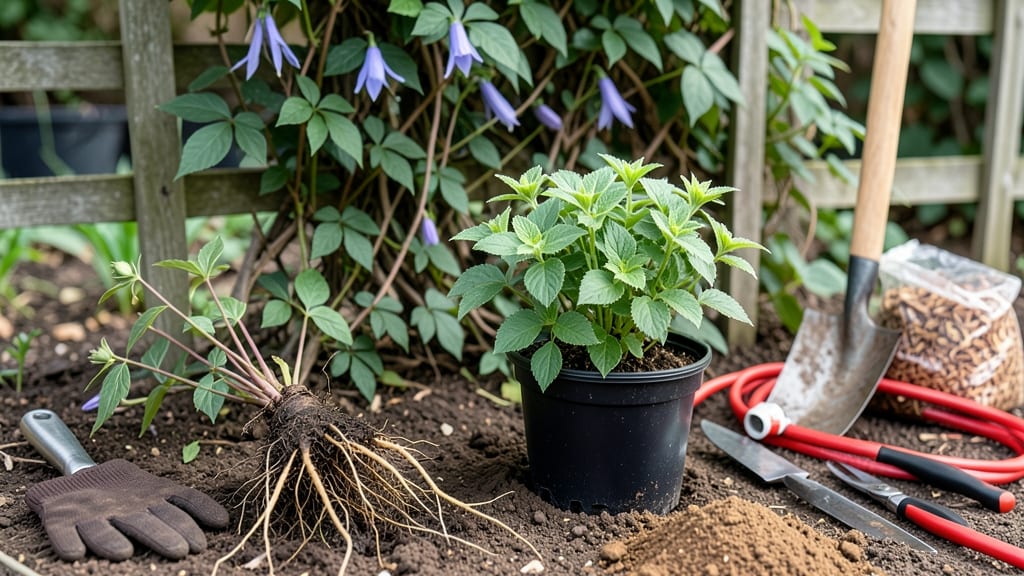
Timing your clematis planting in Indiana just right could mean the difference between a show-stopping vine covered in 🌸 blooms and a sad, frost-nipped failure. With Indiana’s Zone 6a climate, getting those roots in the ground at the perfect moment—whether in early spring or fall—is the key to success.
Most gardeners in Indiana know the struggle: waiting too long in spring risks late frosts, while fall planting can leave plants vulnerable before winter sets in. But don’t worry—this guide breaks down the exact frost-free deadlines you need to know for Zone 6b varieties, so you can plant with confidence.
You’ll also discover how to prep your soil, choose the best varieties for Indiana’s climate, and even adjust for microclimates like urban heat islands. Whether you’re a seasoned gardener or just starting, these tips will help your clematis thrive from the very first season.
Ready to transform your garden? Let’s dive into the perfect planting schedule that’ll have your clematis climbing and blooming like never before.
Optimal planting windows for clematis in Indiana’s Zone 6b climate
Indiana’s Zone 6b climate demands precision when planting clematis—miss the window, and you risk frost damage or stunted growth. The ideal planting times are early spring (March–April) or early fall (September–October), when soil temperatures hover between 50–65°F for optimal root establishment.
Spring planting gives vines time to establish roots before summer heat, while fall planting allows roots to settle before winter dormancy. For Zone 6b, aim for April 15–May 15 in spring or September 1–October 15 in fall, avoiding the last frost date of April 15.
🌱
| Season | Planting Window | Soil Temp | Key Risks |
|---|---|---|---|
| Spring | March 15–April 30 | 50–65°F | Late frosts (after April 15) |
| Fall | September 1–October 15 | 50–65°F | Early winter freezes (before Oct 15) |
Urban gardeners in Indiana’s heat islands (like Indianapolis) may need to adjust for earlier soil warming in spring. Use a soil thermometer to confirm 50°F+ before planting—cold soil slows root growth and increases frost sensitivity.
For fall planting, prioritize varieties like ‘Jackmanii’ or ‘Niobe’, which establish roots quickly. Avoid planting after October 15, as roots won’t harden before winter’s first freeze.
🌡️
Indiana’s microclimates (e.g., rural vs. urban) shift frost dates by 1–2 weeks. Rural areas with cooler nights may delay spring planting until April 15, while urban areas can start as early as March 20 if soil is workable.
Pro tip: Mulch heavily after planting to insulate roots. Use 3–4 inches of shredded bark or straw to protect against temperature swings in spring/fall.
🪴
If you miss the ideal window, container planting extends flexibility. Pots warm faster in spring and can be moved to sheltered spots if frost threatens. Just ensure containers have drainage holes and use lightweight potting mix.
For late spring plantings (May–June), choose heat-tolerant varieties like ‘Perle d’Azur’ and provide afternoon shade to prevent leaf scorch.
Optimal planting windows for clematis in Indiana’s Zone 6b climate
Indiana’s Zone 6b climate brings unique challenges for clematis planting, with late spring frosts and early fall freezes threatening tender roots.
The ideal planting windows are early spring (after last frost) or early fall (before first frost), but timing depends on your specific microclimate—urban areas may experience heat islands that delay frost, while rural spots can have earlier freezes.
For spring planting, aim for mid-April to early May once soil temperatures consistently stay above 50°F. This gives roots time to establish before summer heat sets in.
Fall planting should occur 6-8 weeks before first frost, typically mid-September to early October, allowing roots to anchor before winter dormancy.
🌱 Pro Tip: Use a soil thermometer to confirm 50°F+ soil temps before planting—cold soil can stunt root growth. In Indiana, this often aligns with late April in most regions, but northern Indiana may need to wait until early May.
📅 Clematis Planting Timeline for Indiana Zone 6b
| Planting Window | Soil Temp Requirement | Indiana Deadline | Risk Factor |
|---|---|---|---|
| Early Spring | 50°F+ consistently | Mid-April to early May | Late frost damage |
| Early Fall | 60°F+ (daytime) | Mid-September to early October | Early frost exposure |
🌡️ Key: Northern Indiana may need to adjust deadlines by 1-2 weeks later due to shorter growing seasons.
Avoid planting too early in spring—cold, wet soil can suffocate roots, while late spring plantings may struggle to establish before summer heat. For fall planting, prioritize varieties like ‘Jackmanii’ or ‘Niobe’, which handle Indiana’s Zone 6b winters better than heat-sensitive types.
Urban gardeners should monitor local weather patterns—heat islands in cities like Indianapolis can delay frost dates by 1-2 weeks compared to rural areas. Check Purdue Extension’s frost date maps for your specific county to fine-tune timing.
Remember: Clematis roots need time to establish before vines shoot upward. Planting too late in either season risks stunted growth or winter dieback. When in doubt, fall planting is often safer for Indiana’s variable climate.