
Plants
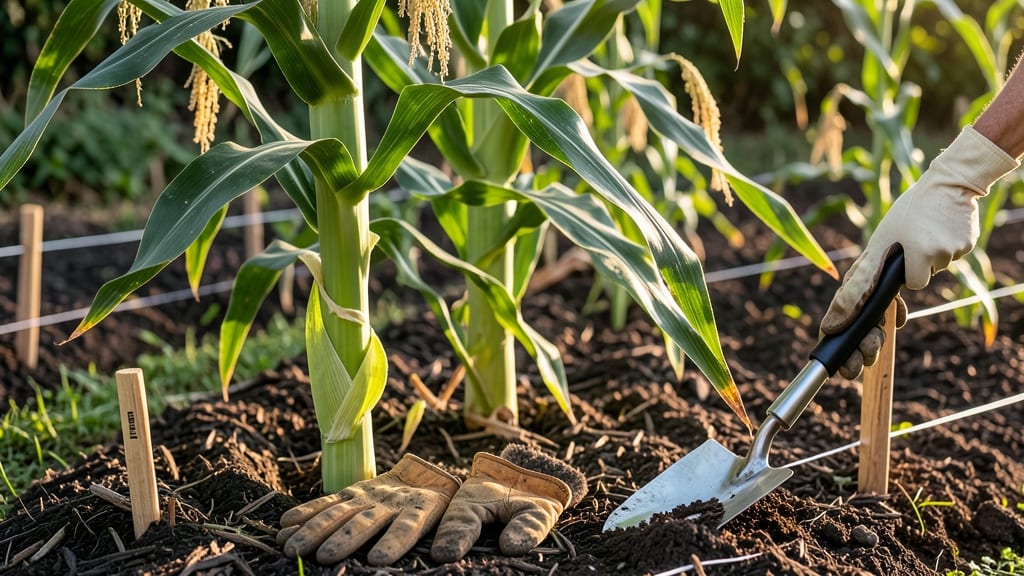
Timing your 🌽 corn planting in MN isn’t just about following a calendar—it’s about outsmarting Minnesota’s notorious late frosts and short growing season.
One wrong move, and you could end up with stunted plants or wasted seeds, leaving you scrambling to salvage what’s left before the first frost hits in early October.
If you’ve ever stared at your seed packets wondering, "Is it too early to plant?" or "Am I already too late?"—you’re not alone. The key lies in understanding your USDA Zone 4a-5b deadlines, soil temperatures, and which corn varieties thrive in just 165 frost-free days.
I’ll break down the exact windows you need to know, plus pro tips to push your planting window 2-3 weeks earlier without risking frost damage.
Whether you’re a first-time gardener or a seasoned grower, getting this right means the difference between a bumper crop of sweet, juicy ears and a season of disappointment.
Let’s dive into the perfect planting schedule for Minnesota’s unpredictable climate—so you can enjoy fresh corn on the cob from late July right through September.
You’ll learn how to read frost charts, choose the right varieties for your zone, and use simple tricks like row covers to extend your growing season.
By the end, you’ll have a foolproof plan to turn your backyard into a corn patch that even the most experienced Minnesota gardeners would envy.
Minnesota corn planting deadlines by hardiness zone (5A-5B)
Minnesota’s corn planting window is short and critical—just 165 frost-free days from last frost (May 15) to first frost (October 1). Miss the mark, and your 6–10-foot stalks won’t mature. The key? Planting when soil hits 50°F+ and air temps stay above 60°F consistently.
Most of Minnesota falls in USDA Zones 4A–5B, but even within these zones, frost dates vary by 1–2 weeks. Northern counties (Zone 4A) have later last frosts, while southern areas (Zone 5B) can plant 2–3 weeks earlier.
Always check your local frost charts—like those from the University of Minnesota Extension—to pinpoint your exact window.
For Zone 5A (northern MN), aim to plant by May 20–June 1. In Zone 5B (southern MN), you’ve got until June 10–15. If you’re in the Twin Cities metro, mid-May is your sweet spot.
Use a soil thermometer to confirm readiness—corn won’t germinate below 50°F, even if the calendar says spring.
Pro tip: Black plastic mulch can warm soil by 5–10°F, letting you plant 1–2 weeks earlier in cold springs. Just lay it down 1–2 weeks before planting to let it heat up.
This trick is a game-changer for short-season varieties like 'Pioneer 39T23' that need every warm day to mature.
| Zone | Last Frost Date | Ideal Planting Window | Soil Temp Threshold | Risk if Planted Late |
|---|---|---|---|---|
| 4A (North) | May 20–25 | May 25–June 10 | 50°F+ | Stunted growth, poor yield |
| 5A (Central) | May 15–20 | May 1–June 1 | 50°F+ | Frost damage to tassels |
| 5B (South) | May 10–15 | April 25–May 30 | 50°F+ | Silk drying before pollination |
*Source: University of Minnesota Extension, 2023
Don’t let late springs throw you off. If frost lingers past your usual window, opt for early-maturing varieties (under 85 days to harvest). ‘Golden Bantam’ (85 days) is a classic dwarf corn that thrives even with a short season.
For standard varieties, stick to 90–110 days to maturity, like ‘Pioneer 39T23’ (100 days).
Another trick: Stagger your planting in 2-week intervals. This spreads out your harvest window, reducing waste if frost hits early. For example, plant half your seeds in early May and the rest in late May.
This way, you’ll have earlier ears for fresh eating and later ears for drying or freezing.
Watch for false springs—those warm spells in March or April that fool you into planting too early. Corn seeds buried in cold soil (<40°F) can rot or fail to germinate.
Wait until nighttime temps stay above 45°F for at least 5–7 days before planting. A frost cloth can protect young seedlings if a late frost sneaks in, but it’s not a long-term fix.
Finally, test your soil pH before planting. Corn prefers 6.0–7.0 pH. If your soil is too acidic, add lime in the fall or early spring. Well-drained soil is non-negotiable—corn roots need oxygen to grow deep.
Amend heavy clay with compost or sand to improve drainage. Your goal? Loose, fertile soil that warms up quickly in spring.
With these deadlines and tricks, you’ll dodge Minnesota’s frost bullets and grow corn that’s tall, sweet, and abundant. Now, grab your soil thermometer and let’s get planting! 🌽
Best corn varieties for Minnesota’s short growing season (dwarf vs. standard)
Minnesota’s short 165-day growing season demands corn varieties that mature quickly—typically between 85–110 days. Dwarf varieties like 'Golden Bantam' (85 days) are ideal for northern MN, while standard types like 'Pioneer 39T23' (105 days) suit southern zones.
Always match your variety to your last frost date—planting too late risks immature ears before frost.
Disease resistance is critical in MN’s humid climate. Look for varieties labeled "drought-tolerant" or "corn borer-resistant", like 'Silver Queen' (95 days). These handle MN’s unpredictable rainfall better than standard hybrids. For organic gardens, 'Country Gentleman' (110 days) thrives without synthetic inputs.
🌽
For northern MN (Zone 4A), prioritize varieties with ≤90 days to maturity. In southern MN (Zone 5B), you can stretch to 110-day varieties like 'Bodacious', which delivers sweet, juicy kernels. Always check seed packets for "relative maturity" (RM) days—this tells you exactly how long until harvest.
Pro tip: Start seeds indoors in biodegradable pots 2–3 weeks before your last frost date to give dwarf varieties a head start. Transplant seedlings when soil reaches 60°F+—cold soil delays germination by weeks. Use a soil thermometer to track temperatures nightly.
🌱