
Plants
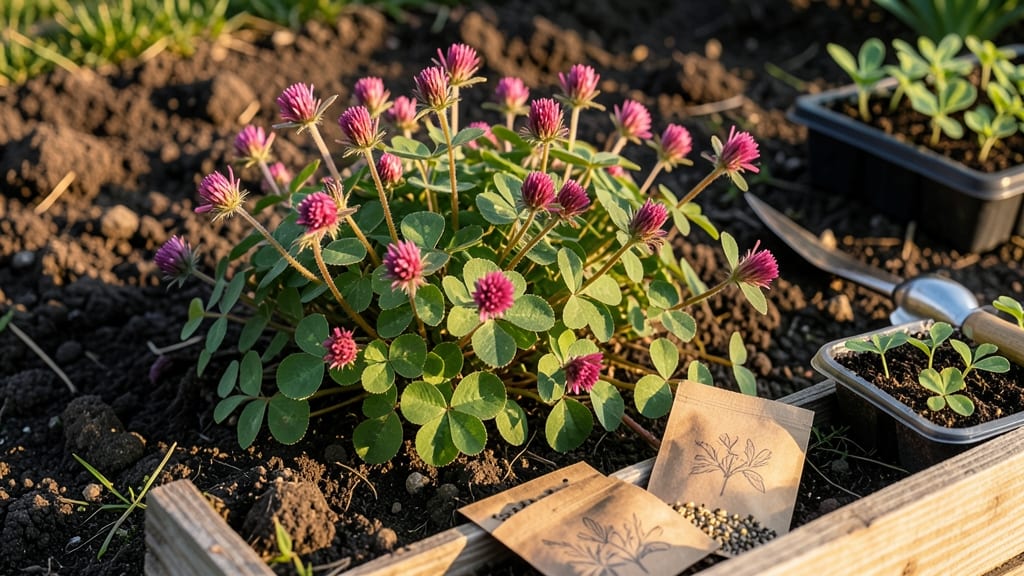
Timing your Crimson Clover 🌸 planting in North Carolina can make or break your cover crop success—get it right, and you’ll have a fast-growing, nitrogen-rich ground cover by spring.
The late summer to early fall window (August–October) is your golden opportunity, but regional microclimates in NC’s 7a-8b zones mean Piedmont and coastal areas have slightly different sweet spots.
Why does this matter? Plant too early, and summer’s brutal heat stresses young seedlings. Too late, and frost sneaks in before roots establish. I’ve seen firsthand how a two-week difference can turn a thriving patch into a sad, stunted mess—don’t let that happen to you.
Here’s the game-changer: Coastal NC’s humidity demands earlier planting (think late August), while the Piedmont’s drier air plays better with September starts. We’ll break down exactly how to match your microclimate for fast, weed-outperforming growth—no guesswork, just results.
Ready to skip the trial-and-error? Let’s dive into the perfect planting calendar for your specific corner of NC, plus pro tips to ensure your Crimson Clover takes off like a rocket by spring.
Best planting months for crimson clover in NC by region
North Carolina’s diverse climate means crimson clover thrives in different regions at slightly different times. The Coastal Plain, Piedmont, and Mountain zones each have unique frost dates and soil warming patterns that impact planting success.
For example, coastal areas like Wilmington can plant a month earlier than the Asheville region due to milder winters. Understanding these differences ensures your cover crop establishes strong roots before winter.
Soil temperature is the critical factor for crimson clover germination. Seeds need 60-65°F soil temps to sprout reliably. In NC, this typically aligns with late summer to early fall (August through October), but timing shifts based on elevation and proximity to the coast.
Planting too early risks summer heat stress, while waiting too long may expose seedlings to frost before they mature.
Here’s how to match planting windows to your NC region for optimal nitrogen fixation and winter survival:
| Region | USDA Zone | Optimal Planting Window | Soil Temp Threshold | Frost Risk |
|---|---|---|---|---|
| Coastal Plain | 8a-8b | Late August - Mid-October | 60-65°F | Low (first frost: Nov 15) |
| Piedmont | 7a-7b | Mid-August - Early October | 60-65°F | Moderate (first frost: Oct 20) |
| Mountains | 6a-7a | Late July - Mid-September | 55-60°F | High (first frost: Oct 1) |
*Adjust planting 2-3 weeks earlier in urban heat islands or later in high-altitude valleys.
For Coastal Plain gardeners (e.g., New Bern or Wilmington), aim for late August plantings to avoid hurricane season disruptions. The warmer soil and extended growing season let seedlings establish before November’s first frost.
In contrast, Mountain regions like Boone or Brevard should start by late July—cooler nights slow growth, and frost can arrive as early as October 1st.
One common mistake is assuming a one-size-fits-all approach. For instance, planting in Raleigh’s Piedmont zone after September 15th risks seedlings not maturing before frost. Use a soil thermometer to confirm temps are ideal—this small tool prevents costly delays.
If your soil runs hotter than 70°F in summer, wait until late August even in coastal areas.
Another pro tip: Piedmont gardeners can extend the window by using black plastic mulch to warm soil earlier. Lay it down in early July, then plant seeds in mid-August once soil reaches 60°F.
This trick adds 2-3 weeks of growing time before frost. Just remove the mulch after planting to avoid overheating young plants.
If you’re in a transition zone (e.g., Durham or Greensboro), err on the earlier side—these areas experience unpredictable frost. Start seeds indoors in late July and transplant outdoors by mid-August. This buffer ensures you’re not scrambling to plant as frost dates approach.
For organic gardeners, consider cover crop mixes with rye or vetch to extend the planting window. These companions tolerate cooler soils and can be planted as early as June in the Mountains. Crimson clover joins them in August, creating a multi-layered soil protection system.
Finally, don’t overlook microclimates within regions. A south-facing slope in the Piedmont may warm up 2 weeks earlier than a north-facing valley. Observe your garden’s sun exposure and wind patterns—these factors can shift planting by 10-14 days.
Use a garden journal to track local variations year after year.
With the right timing, your crimson clover will reward you with vibrant blooms and nitrogen-rich soil by spring. Start with your region’s ideal window, then fine-tune based on soil temps and local weather patterns.
The key is balance: plant early enough for establishment, but not so early that summer heat stunts growth.
Best planting months for crimson clover in NC by region
North Carolina's diverse climate means one-size-fits-all planting advice won't work for crimson clover. The Coastal Plain, Piedmont, and Mountain regions each have unique soil temperatures and frost patterns that dictate the perfect window.
In Coastal Plain (Zone 8a), aim for August 15-September 15 when soil temps drop below 85°F—this avoids summer heat stress that stunts germination.
For Piedmont (Zone 7b), the ideal window shifts slightly earlier to August 1-September 10. The cooler nights here help seeds establish faster, but don't plant before July 20—soil temps above 80°F can cause seed rot.
In the Mountains (Zone 6b), push planting to late August-early September to avoid early frost risks after October 1.
| Region | Optimal Planting Window | Soil Temp Threshold | Frost Risk |
|---|---|---|---|
| Coastal Plain | Aug 15-Sep 15 | Below 85°F | Low (Nov 1) |
| Piedmont | Aug 1-Sep 10 | Below 80°F | Moderate (Oct 15) |
| Mountains | Late Aug-Early Sep | Below 75°F | High (Sep 20) |
🌱 Pro Tip: Test soil temps with a thermometer—ideal germination occurs at 60-75°F.
If you're in Zone 7a (common in the western Piedmont), consider late July plantings for a head start, but monitor weekly rainfall. Crimson clover needs 1 inch of water weekly during establishment—drought conditions after planting can kill seedlings before they take root.
For urban gardens with microclimates, plant 2-3 weeks earlier than rural areas, as pavement retains heat longer.
One common mistake is planting too early in June. While seeds may sprout, the intense summer heat causes plants to bolt prematurely, reducing their nitrogen-fixing benefits. Aim for late summer when days shorten and temps drop—this triggers better root development before winter.
In coastal areas, humidity can promote fungal diseases, so avoid planting after September 15 unless using disease-resistant varieties.
For fall plantings, don't wait past October 15 in most of NC—seeds need 6-8 weeks to establish before frost. In the Mountains, this window shrinks to mid-September.
Use a light mulch (straw) after planting to retain moisture and regulate soil temps, especially in sandy soils common in the Coastal Plain.
Remember: Crimson clover thrives when planted 4-6 weeks before your area's first frost date. Check your USDA Zone and local Cooperative Extension Service for precise dates—this ensures your cover crop has time to fix nitrogen before winter dormancy.
The goal is strong roots by November, not just pretty blooms in spring. 🌿