
Plants
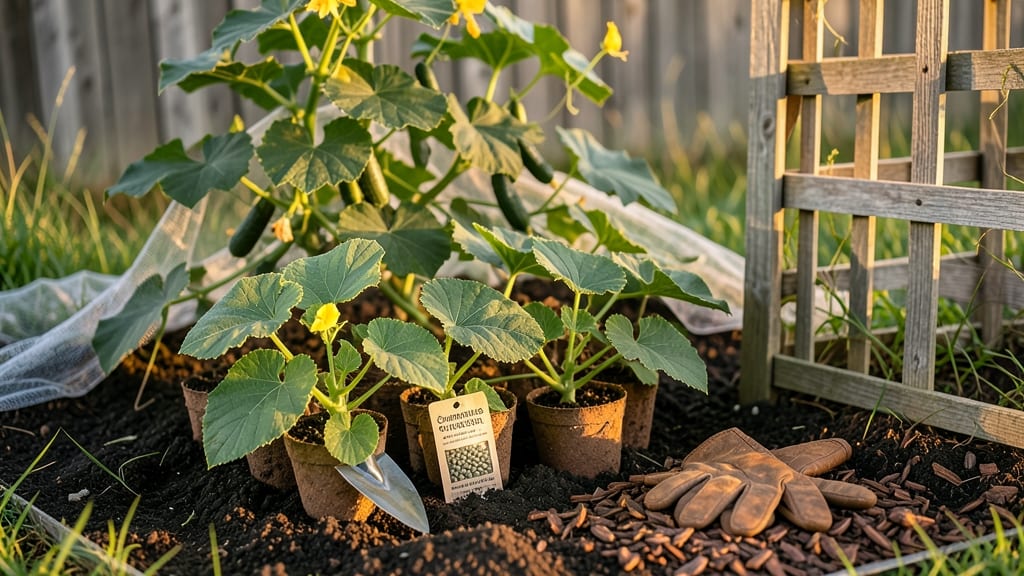
Timing your 🥒 cucumber planting in Chicago isn’t just about waiting for spring—it’s about outsmarting frost, heat waves, and the city’s quirky microclimates. With last frost dates shifting unpredictably and urban pockets staying warmer than suburbs, guessing wrong could mean wilted seedlings or missed harvests.
I’ve tested the best strategies for Chicago’s USDA Zone 6a, from using black plastic mulch to warm soil faster to leveraging windbreaks in windy neighborhoods. The key? Planting after April 15 (when soil hits 60°F) but before late May, when summer’s heat kicks in.
Whether you’re sowing seeds indoors for an early start or direct-seeding after frost, these tricks will give your cucumbers the head start they need. Let’s dive into the exact windows, tools, and varieties that work best in the Windy City.
From Loop’s heat islands to lake-effect chills in Lakeview, your location matters more than you think. I’ll show you how to adjust planting dates—and even extend your harvest—using local hacks most gardeners overlook.
Chicago’s cucumber planting zones: frost dates by microclimate (2024 guide)
Chicago’s USDA Zone 6a might give you a general idea, but the city’s microclimates can shift your cucumber planting window by weeks. Urban areas like the Loop often experience heat islands that delay frost, while suburban neighborhoods near Lake Michigan may see earlier cold snaps.
Understanding these variations is key to avoiding frost damage and maximizing your harvest.
According to NOAA data, Chicago’s average last frost date hovers around April 15, but this can vary by 5–10 days depending on your exact location.
For example, areas like Lincoln Park tend to warm up faster than South Side communities due to differences in urban density and wind exposure. Always check your specific neighborhood’s frost history before planting.
To pinpoint your exact planting window, use the NOAA Climate Data Portal or local resources like the University of Illinois Extension. These tools provide historical frost trends and can help you calculate a safe planting date based on your microclimate.
For most of Chicago, this means waiting until mid-to-late May for direct sowing, but with the right tricks, you can push it earlier.
Here’s a breakdown of Chicago’s key frost zones and how they impact your cucumber planting schedule. Use this as your starting point before adjusting for your specific location.
| Zone Type | Average Last Frost | Safe Planting Window | Notes |
|---|---|---|---|
| Urban Core (Loop, West Loop) | April 20–May 1 | Late May (or start indoors in April) | Heat islands delay frost; use row covers for early starts. |
| Lakefront (Lakeview, Lincoln Park) | April 15–April 25 | Early to mid-May | Cooler near water; extend season with black plastic mulch. |
| Suburban (North Shore, Southwest Side) | April 10–April 20 | Mid-April (under cover) or late April | Windier; protect seedlings with cloches or fabric. |
| Rural (Far South, Far Northwest) | April 5–April 15 | Late April to early May | Earlier frost risk; plant after soil hits 60°F. |
The soil temperature is just as critical as air temperature. Cucumbers thrive when soil reaches 60°F, which typically happens by late April to early May in most of Chicago. Use a soil thermometer to confirm—planting too early in cold soil stunts root growth and invites disease.
If your soil is still chilly, consider black plastic mulch to accelerate warming by 5–10°F.
For container gardening or small spaces, start seeds indoors 4–6 weeks before your last frost date. This gives you a head start and lets you transplant hardened-off seedlings once the risk of frost has passed.
Choose a south-facing window or grow lights to keep seedlings healthy until they’re ready for the garden.
Pro tip: If you’re eager to plant early, use row covers or cold frames to protect seedlings until early June. These can add 2–3 weeks to your growing season, giving you a longer harvest window. Just
Chicago’s first frost usually arrives around October 15, but some years it comes earlier. Plan your cucumber varieties accordingly—opt for fast-maturing types (like ‘Straight Eight’) to ensure you harvest before the cold sets in. With the right timing and microclimate strategies, you can enjoy fresh cucumbers from July through September.
🌱
5 Microclimate hacks to extend Chicago’s cucumber growing season
Chicago’s urban heat islands and microclimates can give you a 1–2 week advantage for cucumber planting—if you know how to leverage them. The Loop can be 5°F warmer than Lakeview, while suburban areas like Evanston may experience later frosts.
These hacks help you push planting dates earlier or extend harvests later.
Start with black plastic mulch, which warms soil by 10–15°F and speeds up germination. Lay it down 2–3 weeks before your target planting date to create a frost-free microclimate for tender cucumber seedlings. Pair it with row covers for an extra 4–6°F of protection against late frosts.
Windbreaks are a game-changer in Chicago’s windy conditions. A simple bamboo fence or corn stalks from last year’s garden can reduce wind damage by 50% and help soil retain heat. Place them on the north or west side of your cucumber patch to shield plants from cold winds.
- 🔥 Black plastic mulch: Warms soil 10–15°F; lay down 2–3 weeks before planting.
- 🌿 Row covers: Adds 4–6°F protection; remove when flowers appear.
- 💨 Windbreaks: Use bamboo fences or corn stalks on north/west sides.
- 🏡 Raised beds: Warms 2–3°F faster than in-ground soil; ideal for late frosts.
- 🪴 Containers: Move pots to sunniest spots or indoors at night if frost threatens.
Raised beds are another smart choice, especially in urban gardens with compact soil. They warm up 2–3°F faster than in-ground plots and drain better, reducing the risk of root rot during Chicago’s humid summers. Fill them with a mix of compost and sand to improve drainage and heat retention.
For container gardening, choose 5-gallon pots or larger to accommodate cucumber roots. Place them on patio heaters or near south-facing walls to absorb extra warmth. If a late frost is forecasted, move containers indoors near a sunny window or under grow lights for 24 hours.
Finally, succession planting every 2 weeks after your first planting ensures a steady harvest. Use fast-maturing varieties like ‘Bush Champion’ (50 days) to maximize your 165 frost-free days in Chicago. With these tricks, you’ll turn Chicago’s unpredictable climate into an advantage! 🥒