
Plants
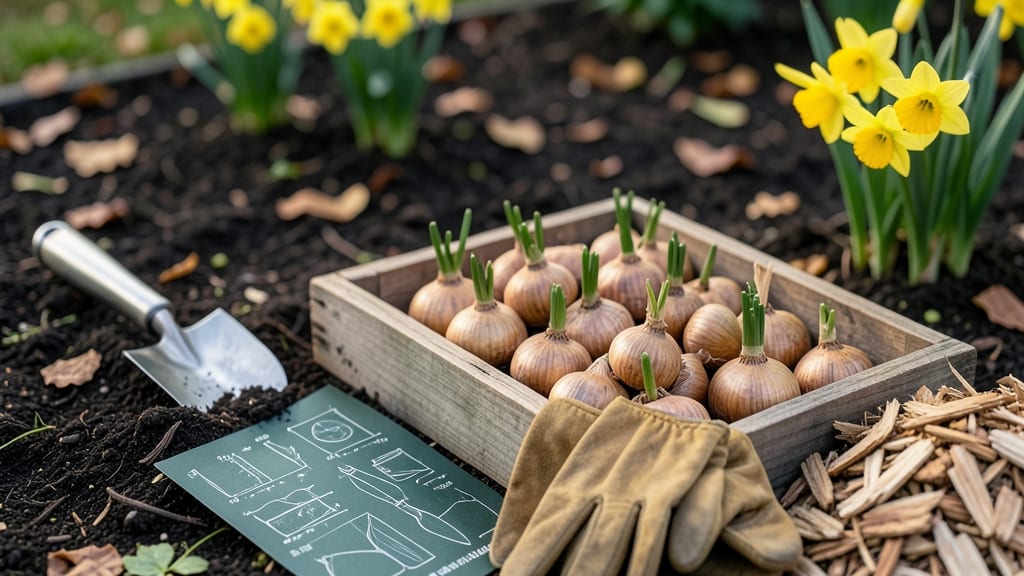
Planting daffodils in Massachusetts at the wrong time can mean the difference between a stunning spring display and wasted effort.
The key isn't just checking the calendar—it's understanding your soil's hidden signals, like when temperatures dip into that 50–60°F sweet spot that tells bulbs it's time to settle in for winter.
As a Massachusetts gardener, you know the stakes: plant too early, and frost will turn your 🌼 into icy disappointment. Too late, and those spring blooms might never show up.
The solution? A planting window tied to soil warmth, not just frost dates—especially critical in zones 5b-6b where winters can be unpredictable.
I'll walk you through the exact September-November window that works for your region, whether you're in Boston's coastal chill or the Berkshires' cooler nights.
Plus, I'll share how to prep your soil and protect those bulbs from winter's worst surprises—so you can enjoy those cheerful yellow faces popping up right on schedule next April.
No more guessing games. With these soil-temperature triggers and regional adjustments, you'll plant your daffodils with confidence—and watch them thrive when spring finally arrives.
Massachusetts daffodil planting timeline by soil temperature (not just dates)
Massachusetts gardeners often rely on calendar dates to plant daffodils, but soil temperature is the real game-changer. Daffodil bulbs need 6-8 weeks in the ground before winter dormancy kicks in. When soil hits 50–60°F, bulbs can establish roots—critical for surviving MA’s frost (USDA zones 5b-6b).
Coastal areas like Cape Cod warm faster than inland zones like Worcester, so timing varies.
Forget guessing by month—use a soil thermometer ($10 at garden centers) to confirm readiness. Plant when soil temps stay below 60°F at night but haven’t dipped below freezing yet.
This window typically opens in mid-September for inland areas and late September for coastal regions. Bulbs planted too early may rot; too late, and they won’t root before frost.
Here’s the critical rule: Aim to plant 6-8 weeks before your area’s first hard frost. In Massachusetts, that’s usually between mid-September and mid-November, but your exact deadline depends on microclimates.
For example, Boston’s average first frost is October 15, while the Berkshires can see frost as early as October 1.
| Zone & Location | Soil Temp Trigger | Ideal Planting Window | Last Chance Date |
|---|---|---|---|
| Boston (6a) | 50–60°F (mid-Sept) | Sept 15–Oct 15 | Oct 31 (before hard frost) |
| Worcester (5b) | 50–60°F (early Sept) | Sept 1–Oct 10 | Oct 15 (earlier frost risk) |
| Cape Cod (6b) | 50–60°F (late Sept) | Sept 20–Nov 1 | Nov 10 (cooler coastal air) |
| Berkshires (5a) | 50–60°F (early Sept) | Aug 25–Sept 30 | Sept 20 (earliest frost) |
Pro tip: If you’re unsure about your microclimate, observe nearby plants. When chives or garlic (cold-hardy crops) start growing again in spring, your soil’s ready for daffodils in fall. Also, mulch after planting with 2–3 inches of straw or shredded leaves to insulate bulbs and regulate soil temp.
One common mistake? Planting based on air temperature instead of soil temp. A crisp 50°F morning might feel perfect, but soil could still be too warm (above 60°F), causing bulbs to sprout prematurely. Always check with a thermometer 2 inches deep—that’s where bulbs will root.
For container gardening, the rules shift slightly. Potted daffodils need well-draining mix and can handle cooler soil temps, but still aim to plant 4–6 weeks before frost.
Move pots to a garage or cold frame if temps drop below freezing overnight. In USDA Zone 6b (like Cape Cod), this might extend your window into early November.
Remember: Daffodils don’t need winter chill like tulips—they just need to be in the ground and rooted before frost. Once planted, water deeply (1 inch per week) until the ground freezes.
Skip fall fertilizing; bulbs draw energy from their own stores. In spring, you’ll reward them with a light feed when leaves emerge.
Here’s my personal trick: I mark my calendar for October 1st as the “last call” for most of MA. If I haven’t planted by then, I wait until spring (though spring-planted bulbs may bloom 6 weeks later).
The trade-off? Fewer blooms the first year, but it’s better than losing bulbs to frost damage.
🌼
Best months to plant daffodils in Massachusetts: a region-by-region guide
Massachusetts’ diverse climate means your daffodil planting timeline should match your specific region. While September through November is ideal statewide, coastal areas like Cape Cod have 2–3 extra weeks of warm soil compared to inland zones like the Berkshires. Let’s break it down by city to avoid frost-related failures.
For Boston and eastern MA, aim to plant by mid-October—soil temps drop below 50°F by late October, triggering dormancy. In Worcester and central MA, shift your window to late September through early October due to earlier frosts.
The Berkshires and western MA demand even earlier action: late August to mid-September to beat the first hard frost.
Cape Cod and the Islands? You’ve got flexibility until November 1st—warmer coastal soils stay workable longer. But don’t wait too long: bulbs need 6–8 weeks to root before winter sets in. Use this region-specific cheat sheet to lock in your planting dates.
🌼 Massachusetts Daffodil Planting Deadlines by Region
- Cape Cod & Islands: September 15–November 1 (coastal warmth extends window)
- Boston & Eastern MA: September 1–October 15 (soil cools faster inland)
- Worcester & Central MA: Late August–October 1 (earlier frosts risk damage)
- Berkshires & Western MA: Late August–September 15 (shortest window)
⚠️ Pro Tip: Test soil temp with a thermometer—plant when it’s 50–60°F for 10+ days.
If you’re in a microclimate (like a sheltered valley or urban heat island), you might push dates by 1–2 weeks. But watch for unpredictable cold snaps—even coastal areas can see early frosts. For example, Provincetown might stay warm until November, while North Adams could freeze by October 10.
Need a last-minute adjustment? Plant in early December only if soil hasn’t frozen solid—bulbs will survive but may bloom 2–3 weeks later next spring. Prioritize well-draining soil and mulch (3–4 inches of straw) to insulate roots. Mulch too early (before planting), and you’ll trap moisture, risking rot.
Remember: Daffodil bulbs need cold to flower, but they hate wet, frozen soil. The key is planting before the ground freezes, not before the first frost. Use local frost date averages as a guide, but soil temperature is your true deadline.