
Plants
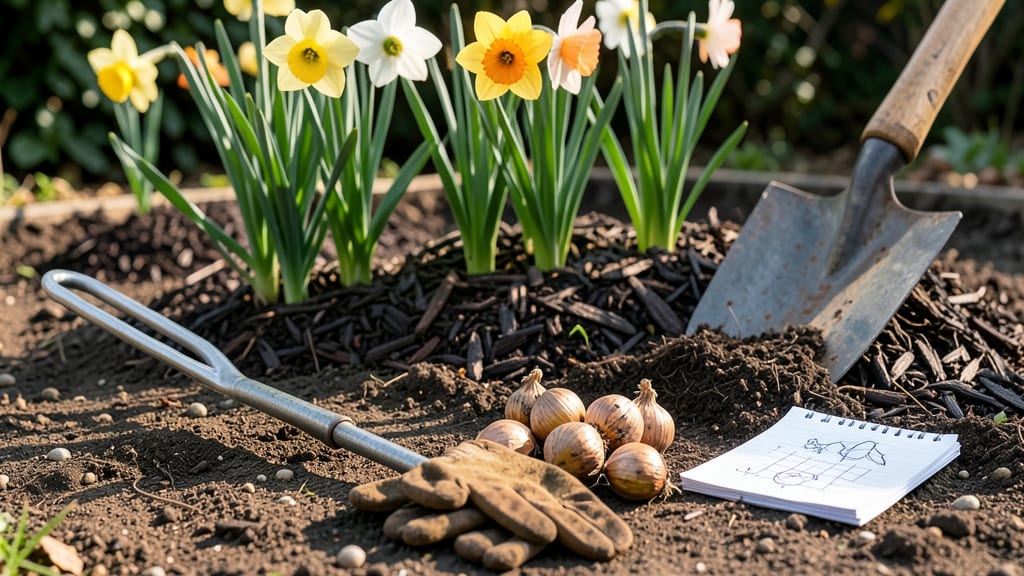
Planting daffodil bulbs at the wrong time in Virginia can mean the difference between a garden bursting with cheerful 🌼 blooms and wasted effort. The key window—October through December—gives these hardy flowers time to root before winter’s chill sets in.
Why does timing matter so much? Daffodils need 6-8 weeks of cool soil to establish strong roots before the ground freezes. In Virginia’s 6a-8a zones, that means starting as early as late September in the mountains or waiting until November near the coast.
Get it right, and you’ll enjoy vibrant spring color for years.
But here’s the catch: planting too early can rot bulbs, while waiting too long risks frost damage. I’ll break down the exact months for your region, plus soil prep tips and bulb depth secrets to ensure your daffodils thrive—no guesswork needed.
Ready to transform your garden? Let’s dive into the zone-specific schedule that’ll have your daffodils blooming like clockwork next spring.
Virginia planting zones: exact months for daffodil bulbs by region
Virginia’s diverse climate—from the cooler Shenandoah Valley to the milder Tidewater region—means your ideal daffodil planting window depends on your USDA zone and local frost patterns.
Most gardeners aim to plant 6-8 weeks before the first frost, but timing shifts from September in Zone 8a to November in Zone 6a. Let’s break down the exact months for each region to ensure your bulbs thrive.
In Northern Virginia (Zones 6a-7a), where frosts can arrive as early as mid-October, aim to plant between late September and early November. For Central Virginia (Zone 7b), the window stretches from October to mid-November, while Southern Virginia (Zones 7b-8a) offers flexibility until December.
Coastal areas like Norfolk benefit from a later window due to milder winters.
Here’s how to align your planting with Virginia’s microclimates for peak spring blooms:
| Region | USDA Zone | Ideal Planting Window | Soil Temp Goal | Key Consideration |
|---|---|---|---|---|
| Northern VA (Shenandoah, Blue Ridge) | 6a-7a | Late September–Early November | 40–50°F | Early frost risk; prioritize early planting |
| Central VA (Richmond, Charlottesville) | 7a-7b | October–Mid-November | 45–55°F | Balanced window; adapt to local frost dates |
| Southern VA (Norfolk, Hampton Roads) | 7b-8a | October–December | 50–60°F | Milder winters; later planting possible |
| Mountain Regions (Appalachian Plateau) | 6a-6b | Late September–Early October | 35–45°F | Short window; plant as soon as soil cools |
Pro tip: Use a soil thermometer to confirm temperatures. Daffodil bulbs need 40–60°F soil to root before winter. In Zone 6a, this often means planting by October 15th—don’t wait for Thanksgiving!
For gardeners in urban areas like Arlington or Alexandria, container planting extends your window slightly. Just ensure pots drain well to prevent bulb rot in Virginia’s clay-heavy soils. Mulch with 2–3 inches of straw after planting to insulate bulbs and retain moisture.
Miss the fall window? You can plant daffodils in early January for a late spring display, but bulbs may struggle in Virginia’s freeze-thaw cycles. Prioritize fall planting for the best results.
🌼
Critical factors that determine your planting timeline (beyond the calendar)
While October through November is Virginia’s ideal window for planting daffodils, your exact timeline depends on factors beyond just the calendar. Soil temperature, bulb quality, and even your local microclimate can shift the perfect planting date by weeks.
For example, Northern Virginia’s Zone 6b may need bulbs in the ground by late October, while Southern Virginia’s Zone 7b could wait until mid-November.
First, check your soil temperature—daffodil bulbs thrive when soil is between 40°F and 60°F. Use a soil thermometer to confirm readiness.
If temperatures drop below freezing before planting, your bulbs risk rotting. Clay-heavy soils in the Piedmont region also cool faster, so plant earlier there than in the Coastal Plain’s sandy soils.
- Soil Temperature: Aim for 40°F–60°F before planting (use a thermometer to check).
- Bulb Quality: Choose firm, plump bulbs with no mold—dormant bulbs (like those shipped in fall) are ideal.
- Local Microclimate: Mountainous areas (e.g., Shenandoah Valley) freeze earlier; plant 2–3 weeks sooner than coastal zones.
- Soil Type: Sandy soils stay warm longer; clay soils freeze faster—adjust timing accordingly.
- Bulb Depth: Plant 6–8 inches deep for proper insulation against winter freezes.
Another game-changer is bulb quality. Pre-cooled, dormant bulbs (often shipped in fall) are ready to plant immediately, while fresh bulbs may need 4–6 weeks of chilling to mimic winter conditions. If you’re unsure, store bulbs in a cool, dark place (32°F–40°F) for a month before planting.
Don’t overlook local weather patterns. Check your area’s average first frost date (typically mid-October in Northern VA, late November in the Southside). Plant daffodils 6–8 weeks before frost to give roots time to establish. For example, if frost hits November 15th, aim to finish planting by September 25th.
Urban gardeners in containers or raised beds face unique challenges. These soils dry out faster and warm up quicker, so plant 1–2 weeks earlier than in-ground. Add a 2-inch layer of mulch after planting to insulate bulbs and retain moisture during Virginia’s unpredictable fall weather.
Finally, avoid planting in soggy soil—excess moisture causes bulbs to rot. If rain is forecast, delay planting until the ground drains. In drought-prone areas like the Western Piedmont, water lightly after planting to help soil settle around the bulbs.