
Plants
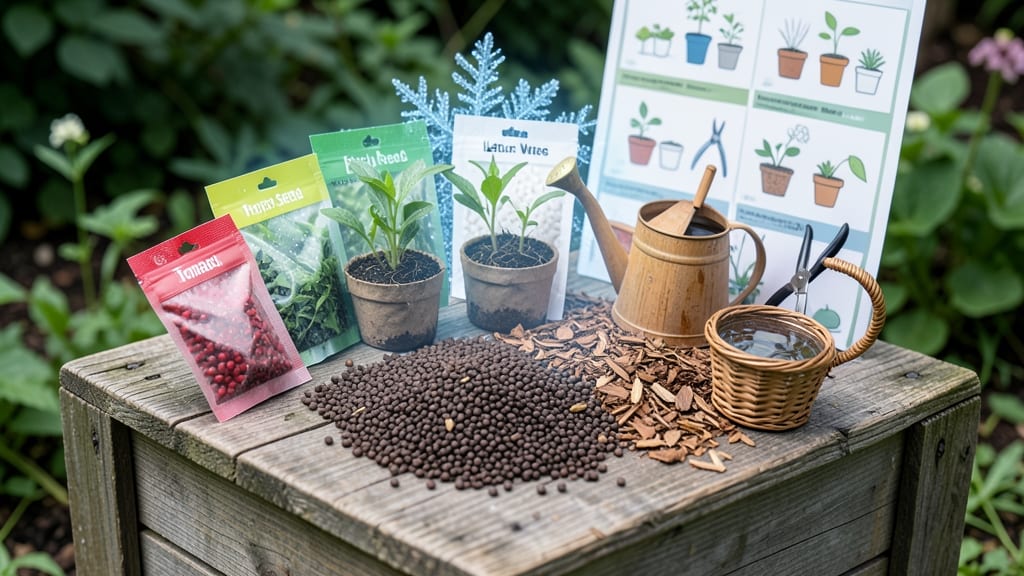
Figuring out when to plant in 6a zone can feel like guessing whether your garden will thrive or freeze—because timing really is everything. With Zone 6a’s last frost typically landing between mid-April and mid-May, one wrong move could mean wilted seedlings or wasted effort.
I’ve spent years tracking frost dates and soil temps in this zone, and the difference between success and failure often comes down to knowing exactly when to start seeds indoors or set transplants in the ground.
Whether you’re growing tomatoes, perennials, or herbs, this guide cuts through the guesswork to give you precise windows for planting.
You’ll discover how to align your planting schedule with soil warmth, frost-free averages, and seasonal transitions—plus how to adjust for local microclimates. No more second-guessing whether that seedling is ready for the earth.
Let’s dive into the exact months that’ll help your 🌱 General Planting Guide flourish, from cool-season crops to warm-season stars—and how to avoid common pitfalls that trip up even experienced gardeners.
6A Zone planting calendar: exact months for vegetables, flowers, and herbs
Mastering the planting schedule for USDA Zone 6A starts with understanding your last frost date, which typically falls between April 15 and May 15. This window separates cool-season crops that thrive in early spring from warm-season plants that need warmer soil.
For example, spinach and peas can handle light frosts, while tomatoes and peppers need consistently warm temperatures to thrive.
Your first frost date in Zone 6A usually arrives around October 10, giving you a 180-day growing season to work with. This means fall planting is just as critical as spring—cool-loving crops like kale and broccoli can be sown in late summer for harvest before winter sets in.
Let’s break down the exact months for each plant type to maximize your garden’s potential.
🌱 6A Zone Planting Schedule
| Plant Type | Best Planting Months | Notes |
|---|---|---|
| Cool-Season Vegetables | March–April, August–September | Spinach, kale, peas, lettuce. Tolerate light frost. |
| Warm-Season Vegetables | May–June (after last frost) | Tomatoes, peppers, beans, cucumbers. Need soil at 60°F+. |
| Annual Flowers | April–May, August–September | Marigolds, petunias, zinnias. Wait until soil warms. |
| Perennials | March–April or September–October | Daylilies, coneflowers. Plant in early spring or fall. |
| Herbs | April–May (hardy herbs) or June (tender herbs) | Parsley, cilantro (spring); basil, oregano (summer). |
💡 Pro Tip: Use row covers to extend planting windows by 2–4 weeks in early spring or fall.
In Chicago (Zone 6A), the average last frost date is May 1, while in Denver, it’s closer to May 15. These variations highlight why local frost data is critical.
For example, Portland’s last frost often arrives by April 20, allowing earlier plantings of warm-season crops like tomatoes. Always check your local almanac or use a frost calendar app for precise timing.
For warm-season vegetables, wait until the soil temperature reaches at least 60°F—this usually aligns with late May in most 6A zones. A simple soil thermometer ($10 at garden centers) takes the guesswork out of this step.
For cool-season crops, you can start seeds indoors 6–8 weeks before your last frost date to get a head start on the growing season.
Don’t overlook fall planting—it’s a smart way to double your harvest in Zone 6A. Broccoli and carrots sown in late August often mature before the first frost, while garlic planted in October will be ready for harvest the following summer.
This strategy also reduces pest pressure compared to spring plantings.
If you’re new to gardening in Zone 6A, start with easy-to-grow plants like bush beans, zucchini, and marigolds. These tolerate minor timing mistakes better than delicate crops like squash or eggplants, which demand precise conditions.
For herbs like basil, wait until after Memorial Day (around May 25) to avoid frost damage.
Extend your growing season with cold frames or hoop houses—these can push your last harvest date into November for crops like kale and lettuce.
Even a simple floating row cover adds 4–6°F of protection, letting you plant 2–3 weeks earlier in spring or harvest 2–3 weeks later in fall.
Remember: Zone 6A’s short growing season rewards planners who start early and finish late. By following this schedule, you’ll avoid frost-killed seedlings and underperforming plants, ensuring a bountiful harvest from spring to fall.
How to adjust planting times for early, mid, and late 6A Zone variations
Your USDA Zone 6A might share the same label, but local microclimates can shift planting windows by 3-4 weeks. Cities like Chicago (early frost risk) and Denver (high elevation) demand different strategies than Portland’s milder coastal conditions. Let’s break down how to adapt your schedule for these variations.
First, identify your local frost dates—they can vary by 10-14 days even within the same zone. Check your city’s average last frost date (e.g., April 20 in Denver vs. May 5 in Portland) and adjust accordingly.
Urban areas often experience heat islands, allowing earlier warm-season plantings, while rural spots may need delayed schedules.
🌱
| Zone Variation | Key Factor | Adjust Planting By | Example City |
|---|---|---|---|
| Early 6A | Cooler springs | Delay warm crops by 2-3 weeks | Chicago, IL |
| Mid 6A | Standard frost dates | Follow average dates | Denver, CO |
| Late 6A | Warmer microclimates | Start warm crops 1-2 weeks early | Portland, OR |
| High Elevation | Cooler soil temps | Wait for soil >55°F | Boulder, CO |
| Urban Heat | Warmer microclimate | Plant warm crops 1 week early | Seattle, WA (urban) |
For high-risk areas, use the 7-day rule: If frost is forecasted within 7 days, delay planting warm-season crops like tomatoes or peppers until conditions stabilize. Test soil temperature with a thermometer—warm-season plants need 60°F+, while cool-season crops thrive at 40-50°F.
Extend your season with row covers or cold frames to plant 4-6 weeks earlier in spring or 2-3 weeks later in fall. These tools create a 5-10°F warmer microclimate, protecting tender seedlings from late frosts.
For example, you can plant spinach or lettuce in early March under covers, then remove them once temperatures rise.
Always monitor local weather forecasts and adjust your schedule flexibly. A 4-week buffer between frost dates and planting can save your garden from unexpected cold snaps. With these adjustments, you’ll maximize your growing season regardless of where your 6A zone falls.
☀️