
Plants
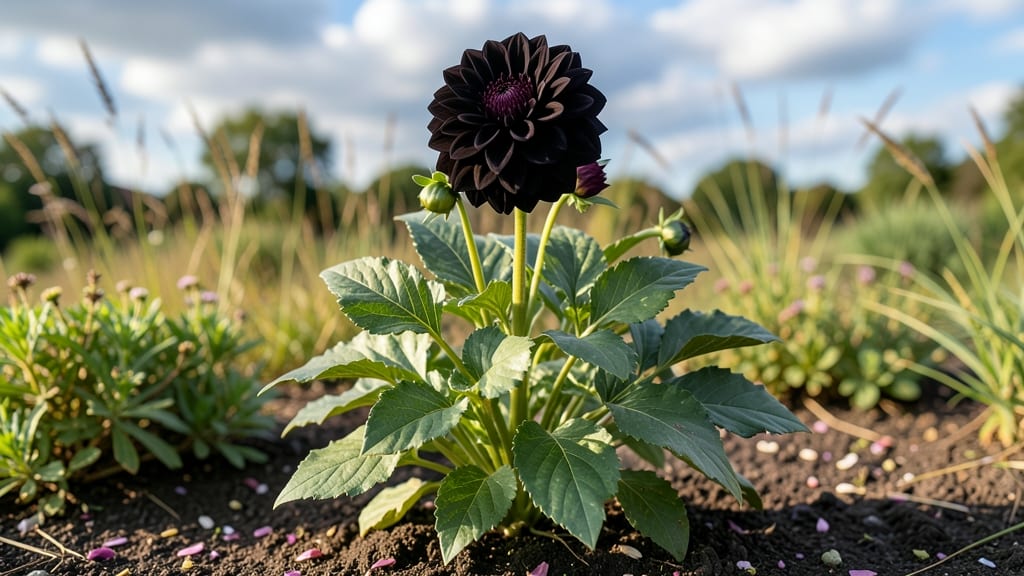
Chicago’s last-frost dates for dahlias (Zone 5b vs. 6a)
Chicago’s Zone 5b and 6a climate means dahlias must wait for soil warmth and frost-free conditions—typically late April to mid-May. But with unpredictable late frosts, timing is critical.
The average last-frost date in Chicago is April 15, but gardeners should wait 2-3 weeks after this date to ensure safety. For Zone 6a areas (like Chicago’s south side), you can plant 1 week earlier than Zone 5b.
Dahlias thrive when soil temperatures reach 60°F (15°C). Use a soil thermometer to confirm—planting too early in cold soil stunts root growth. Chicago’s first-frost date is around October 15, giving dahlias a 165-day growing season.
This means late April planting yields blooms by July, while mid-May planting extends the season until October.
Historical data shows late-spring frosts can still hit Chicago in May. Check the National Weather Service or local garden extension for 10-day forecasts before planting. If frost threatens, use row covers or a cold frame to protect young tubers.
For extra insurance, start tubers indoors 6-8 weeks before the last frost date.
Here’s a quick reference for Chicago’s dahlia planting window by zone:
| Zone | Last-Frost Date | Optimal Planting Window | Soil Temp Requirement | Bloom Timeline |
|---|---|---|---|---|
| Zone 5b (North Chicago, Evanston) | April 15 | May 1–15 | 60°F (15°C) | July–October |
| Zone 6a (South Chicago, Hyde Park) | April 22 | April 29–May 10 | 60°F (15°C) | July–October |
| Both Zones (Citywide) | April 15–May 1 | Use row covers if frost risk | 60°F (15°C) | Adjust for variety maturity |
*Bloom timeline varies by variety (dwarf vs. standard).
For dwarf varieties (1–2 ft tall), you can plant 1–2 weeks earlier than standard dahlias. These low-growing types tolerate cooler soil better and bloom faster. Meanwhile, tall varieties (4–6 ft) need the full 165-day season, so plant them no earlier than May 1 in Zone 5b.
Chicago’s microclimates also matter. Urban areas like Downtown or Lincoln Park may experience earlier soil warming due to heat islands, while suburban areas like Naperville or Wheaton stay cooler longer. Observe your garden’s sun exposure—south-facing beds warm up 1–2 weeks faster than north-facing ones.
Pro tip: Hardening off indoor-started tubers 1 week before transplanting reduces shock. Place them in a shady, sheltered spot outdoors during the day and bring them back inside at night. This acclimates roots to Chicago’s variable spring temps, which can swing from 40°F to 80°F in a single week.
If you miss the spring planting window, don’t despair! Dahlias can be transplanted in early July for late-season blooms. Just choose dwarf or semi-dwarf varieties with shorter maturity times (e.g., ‘Mignon’ or ‘Café au Lait’).
These types bloom 60–90 days after planting, giving you color until frost.
Remember: Dahlias are tuber plants, not seeds. Unlike annuals, they need warm soil to sprout. Rushing the process can lead to rot or stunted growth. Patience pays off—wait for the right conditions, and you’ll enjoy months of vibrant blooms from July to October.
How to extend the dahlias’ growing season in Chicago
Chicago’s unpredictable spring frosts can wreck your dahlias if you’re not prepared. The key to success? Extending the growing season with smart techniques. I’ve tested these methods in my Zone 5b garden, and they’ve saved my dahlias year after year.
Start by pre-sprouting tubers indoors 4-6 weeks before your target planting date. This gives you a head start of 2-3 inches of growth, making them hardier when transplanted. Use a seedling tray with moist potting mix and keep them in a warm spot (around 65°F).
Once your last-frost date nears, use row covers or frost blankets to protect young plants. These lightweight fabrics trap heat and shield dahlias from 28°F temperatures—the threshold where damage begins. I’ve even seen dahlias survive 30°F nights with this protection.
✅ Step-by-Step: Extending Dahlias’ Season
- Pre-sprout tubers: Start indoors 4-6 weeks before last frost (early April for Chicago).
- Hardening off: Acclimate seedlings to outdoor temps 1 week before transplanting.
- Use row covers: Lay fabric over plants after transplanting until mid-May.
- Cold frames: For late varieties, use mini greenhouses to push the season by 2-3 weeks.
- Mulch heavily: Apply 3-4 inches of straw to insulate roots from temperature swings.
For late-blooming varieties, consider a cold frame or mini greenhouse. These create microclimates that can add 2-3 extra weeks to your growing season. Place them over newly transplanted dahlias or use them to overwinter tubers if you’re ambitious.
Don’t forget mulching! A thick layer of straw or shredded leaves (3-4 inches) keeps soil temperatures stable and retains moisture. I’ve seen dahlias thrive in Zone 5b with this simple trick—even when nights dip into the 40s°F.
Finally, choose frost-tolerant varieties like ‘Café au Lait’ or ‘Bishop’. These can handle light frosts better than delicate hybrids. Pair them with the techniques above, and you’ll enjoy longer bloom times in Chicago’s short season.