
Plants
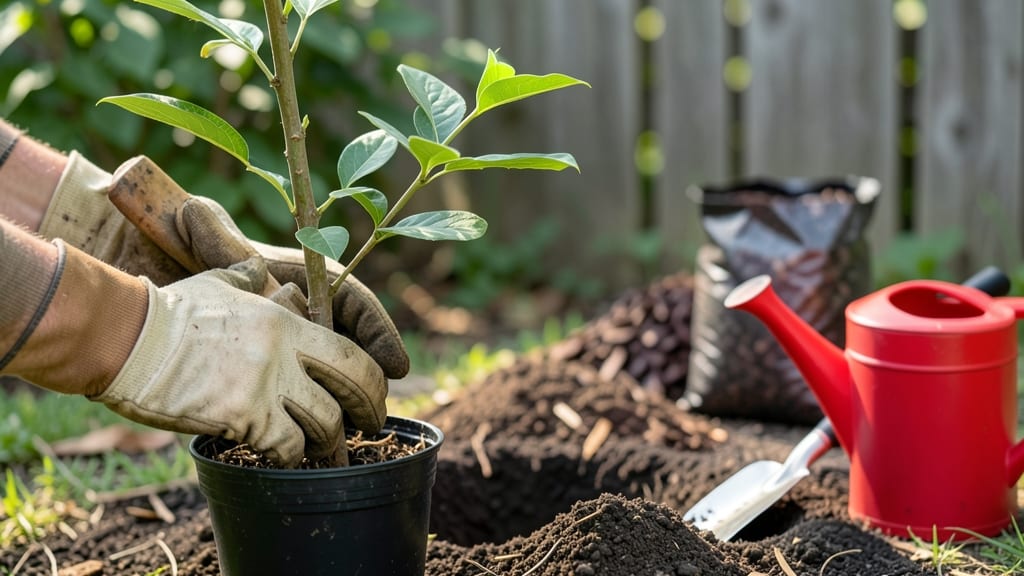
Knowing when to plant crepe myrtle in NC can make or break your tree’s first year—especially in zones 7b-8b, where timing affects everything from root growth to next summer’s 🌸 blooms.
Plant too early, and frost could damage tender roots; too late, and your tree might struggle to establish before winter hits.
North Carolina’s climate varies dramatically from the Piedmont’s rolling hills to the Coastal Plain’s humid lowlands, so a one-size-fits-all approach won’t work. The sweet spot for crepe myrtles is late winter to early spring (March–April) or early fall (September–October), when soil temperatures hover between 55–70°F—perfect for root development.
But here’s the catch: even within NC, microclimates matter. A crepe myrtle planted in Raleigh’s urban heat island might thrive a week earlier than one in the mountains near Asheville.
I’ll break down the exact timing, soil prep secrets, and spacing tips to ensure your tree takes off—no guesswork, just results.
Ready to plant with confidence? Let’s dive into the best months, regional tweaks, and post-planting care that’ll have your crepe myrtle growing strong in no time. Your future shade tree (and fall color show) starts with the right timing.
Best planting months for crepe myrtle in NC zones 7b-8b: exact timing for root establishment
North Carolina’s Zone 7b-8b offers two prime windows for planting crepe myrtles: early spring (March-April) and early fall (September-October). These periods align with soil temperatures between 55-70°F, ideal for root growth without frost stress. Late spring or summer planting risks stunted growth due to heat and drought.
In NC’s Piedmont region (e.g., Raleigh), aim for mid-March to early April when daytime highs consistently reach 60°F. Coastal areas like Wilmington can plant slightly earlier (late February) thanks to milder winters.
Always check NOAA frost forecasts—planting before the last frost (March 15 average) prevents cold damage.
Fall planting (September-October) gives roots 6-8 weeks to establish before winter dormancy. Avoid planting after mid-October in Zone 7b, as cooler soils slow root development. In Zone 8b (e.g., Charlotte), extend fall planting to early November when nighttime temps stay above 45°F.
Planting in late spring (May-June) is possible but risky—crepe myrtles may struggle with establishment stress during NC’s hot, dry summers. If you must plant later, choose container-grown trees (not bare-root) and mulch heavily to retain moisture. Delayed planting can push back first-year blooms by 3-6 weeks.
Regional microclimates matter: Mountainous areas (Zone 7b) like Asheville should plant in late April to avoid late frosts, while Coastal NC (Zone 8b) can start as early as February. Always verify your local last frost date—NC’s varies by 2-3 weeks across the state.
For container-grown crepe myrtles, timing is less critical than soil prep. These plants adapt better to transplant shock and can handle planting through June, provided you water deeply. Bare-root varieties, however, demand spring or early fall planting for optimal survival rates.
After choosing your window, prioritize well-draining soil—NC’s clay-heavy soils need amendments like compost or sand to prevent root rot. Dig a hole twice as wide as the root ball but only as deep as the container’s base to avoid burying the root flare.
Mulch immediately after planting with 3 inches of organic mulch (pine straw or shredded bark) to lock in moisture and regulate soil temps. Keep mulch 6 inches away from the trunk to prevent rot. This step is critical for NC’s summer droughts and winter freezes.
Monitor your crepe myrtle’s progress: New leaves within 4-6 weeks signal successful rooting. If planted in fall, expect dormancy by December—avoid fertilizing until early spring when new growth resumes. Proper timing now sets up vibrant blooms for years to come!
Critical factors that determine crepe myrtle planting success in NC: beyond just months
North Carolina’s Zone 7b-8b offers two primary planting windows for crepe myrtles, but success depends on more than just picking a month. Soil temperatures, rainfall forecasts, and even your local microclimate play pivotal roles in root establishment.
For example, Raleigh’s urban heat island effect can push soil temperatures 5-10°F warmer than surrounding rural areas, creating a false sense of readiness for planting.
Start by checking soil temperatures—crepe myrtles thrive when roots can establish in 55-70°F soil. Use a soil thermometer to verify conditions before planting.
In western NC (Zone 7b), aim for mid-March to early April, while eastern NC (Zone 8b) gardeners can plant as late as mid-April without frost risk. Always cross-reference with NOAA frost predictions for your specific county.
Rainfall patterns also dictate timing. Planting during dry spells (like NC’s frequent summer droughts) requires extra irrigation, while excessive moisture in fall can delay root hardening before winter. Check your local 10-day forecast for moderate rainfall (1-2 inches weekly) to avoid waterlogged soil during critical root development.
⚠️ Critical Warning: Container vs. Bare-Root Timing
Planting container-grown crepe myrtles offers a 3-week advantage over bare-root saplings. Containers allow roots to establish immediately, while bare-root trees need 2-3 weeks of undisturbed soil contact to recover. In NC’s Zone 7b, this means container plants can go in 2 weeks earlier than bare-root varieties.
Urban gardeners in Charlotte or Asheville must account for heat reflection from pavement, which can raise soil temps by 15°F in late winter. Test your site’s microclimate by planting a test crop (like radishes) in early February—if they sprout within 10 days, your soil is ready for crepe myrtles.
For fall planting (September-October), prioritize varieties like 'Natchez' or 'Muskogee', which harden off faster. Avoid planting after mid-October in Zone 7b, as roots won’t have enough time to establish before first frost (typically November 15).
Use a mulch blanket (3-4 inches) to insulate roots if planting in late fall.
Pro tip: If your NC region experiences unpredictable frosts (like the 2021 Easter freeze), delay spring planting until after April 15 or use frost cloth for the first 2 weeks. Monitor your local CoCoRaHS weather station for real-time data to adjust timing dynamically.