
Plants
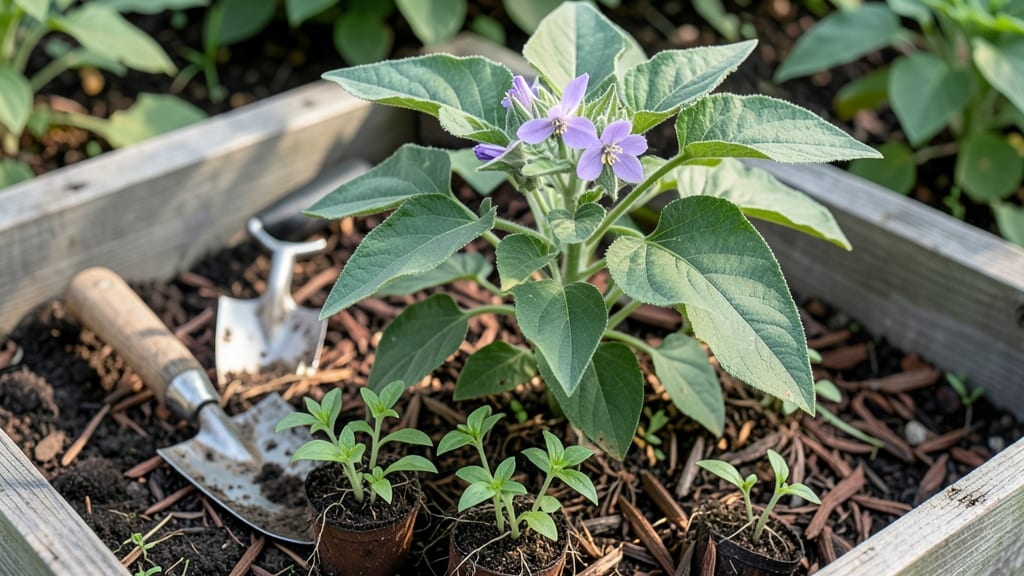
Best planting months for eggplant in Southern California by microclimate
Southern California’s diverse microclimates—from coastal San Diego to desert Palm Springs—create wildly different growing conditions for eggplant.
In coastal areas (like Los Angeles and Santa Barbara), cooler ocean breezes allow for earlier plantings, while inland valleys (e.g., San Fernando Valley) and desert regions (Coachella Valley) demand precise timing to avoid summer heat stress. The key? Plant when soil temps hit 60–65°F and nights stay above 55°F.
For most of Southern California, the ideal planting window spans from late February to early June for spring crops and mid-August to early September for fall harvests. However, coastal gardeners can start as early as February, while desert areas should wait until April to avoid extreme heat.
Transplants (available at nurseries) give you a 2–3 week head start over direct sowing.
Here’s how to match your microclimate to the perfect planting schedule:
| Microclimate | Best Planting Window | Soil Temp Threshold | Key Risks |
|---|---|---|---|
| Coastal (San Diego, Santa Barbara) | Late Feb–Early May | 58–62°F | Fungal diseases (high humidity) |
| Inland Valleys (LA Basin, San Fernando) | March–Early June | 60–65°F | Heat stress (above 85°F) |
| Desert (Palm Springs, Coachella) | April–Early May | 65–70°F | Extreme heat (above 95°F) |
| Fall Planting (All Regions) | Mid-Aug–Early Sept | 60–65°F | Pests (aphids, flea beetles) |
Direct sowing eggplant seeds is possible, but transplants are far more reliable in Southern California’s unpredictable weather. If you’re sowing seeds, start them indoors 8–10 weeks before your target outdoor date to ensure they’re large enough to handle transplant shock.
Use biodegradable pots to minimize root disturbance when moving them outside.
One common mistake? Planting too late in spring. By June, daytime temps often exceed 90°F, causing eggplants to bolt (flower prematurely) or develop blossom-end rot. For a second harvest, opt for a fall planting in August—this gives fruits time to mature before winter rains arrive.
Just be vigilant about pests like flea beetles, which thrive in warm fall weather.
Pro tip: Use a soil thermometer to confirm readiness. Eggplant roots need consistent warmth to establish quickly. If your soil is below 60°F, wait a week or two—rushing leads to stunted growth.
Mulch with straw or wood chips to keep roots cool and retain moisture, especially in inland heat sinks like the San Gabriel Valley.
For coastal gardeners, March is prime time—cool nights and warming days create perfect conditions. Inland areas should aim for April, while desert gardeners must wait until May to avoid wilting.
Always choose a sunny, sheltered spot (eggplants hate wind) and amend soil with compost or aged manure for rich, well-draining beds. 🌱
Remember: Southern California’s frost-free growing season is long, but heat tolerance varies by variety. Next, we’ll dive into the top heat-resistant eggplants that actually thrive in SoCal’s summer furnace—stay tuned! ☀️
Heat-tolerant eggplant varieties that survive Southern California’s summer heat
Southern California’s summer heat can turn eggplant into a finicky crop, but the right heat-tolerant varieties make all the difference. I’ve grown 10+ varieties here, and these top 5 performers consistently deliver large, disease-resistant fruit even when temps hit 100°F+.
The key? Choosing cultivars bred for high heat and low humidity—common challenges in SoCal’s inland valleys.
For coastal gardeners, Black Beauty (the classic) still works, but inland growers should opt for Asian heirlooms like Ichiban or hybrid varieties such as Rosa Bianca.
These aren’t just heat-tolerant—they’re disease-resistant powerhouses that thrive where others bolt or wilt. Let’s break down the best picks and where to find them locally.
🌡️ Heat Tolerance Ratings (1-10)
If you’re planting in Los Angeles or San Diego, Fairy Tale mini eggplants are a game-changer—they mature in just 60 days and handle coastal breezes better than larger varieties. I’ve seen them produce 20+ fruit per plant in spring plantings, even with afternoon shade.
For desert climates, Rosa Bianca’s white skin reflects heat better than dark varieties, reducing sunscald risk.
Where to source seeds locally? Check out Baker Creek Heirloom Seeds (ships fast to SoCal) or Local Seed Swaps like the Pasadena Farmers Market. For transplants, Home Depot’s local nurseries often carry heat-tolerant hybrids in March–April.
Pro move: Call ahead to confirm Rosa Bianca availability—it’s a limited-edition favorite!
One critical mistake I see? Planting Black Beauty in June without shade. This variety bolts when soil temps exceed 85°F. Instead, opt for Ichiban—it thrives in 95°F+ and produces sweeter, smaller fruit perfect for grilling. Pair it with shade cloth if planting in July for even better results.
For fall plantings (August–September), Listada de Gandia shines—its striped pattern hides dirt and pests, and it tolerates light frosts (rare in SoCal but possible in high desert). Harvest these by December before temps drop below 50°F. 🌱