
Plants
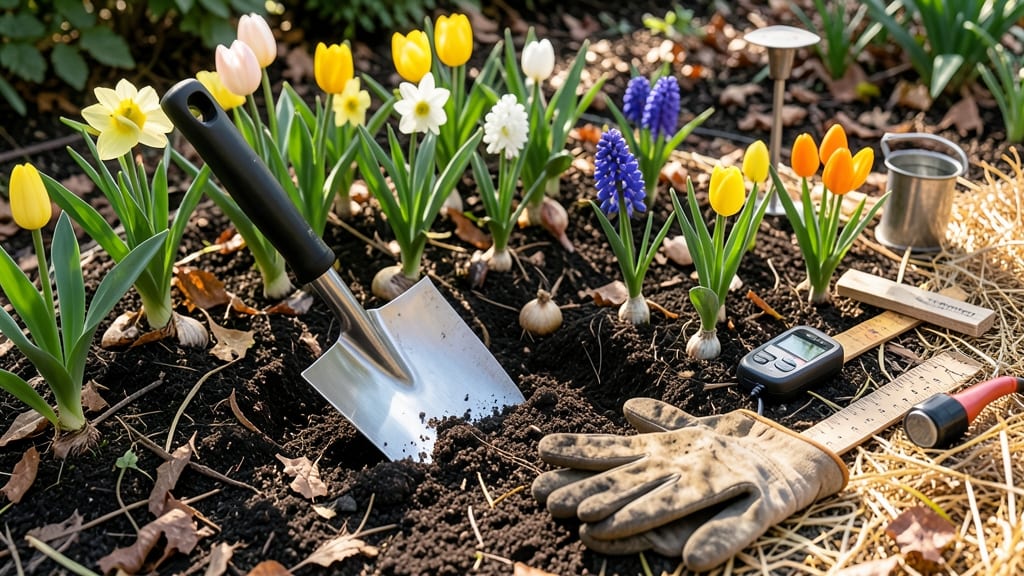
Timing your fall bulbs (e.g., tulips, daffodils, crocuses) planting in Zone 4 could mean the difference between a garden bursting with color next spring or a missed opportunity. Those 6 weeks before frost aren't just a suggestion—they're the sweet spot where bulbs root deeply enough to survive winter's chill.
I've seen firsthand how a few weeks off schedule can leave bulbs vulnerable to frost heave or rot. But when you nail the window, you're rewarded with hardy blooms that push through snow for months of cheerful color.
Let me walk you through exactly when to plant in your region, plus the soil conditions that make all the difference.
The key is understanding your local frost dates and adjusting for soil temperature, which should be between 40-50°F when bulbs go in the ground. We'll cover how to read your area's patterns and avoid common mistakes that leave bulbs struggling to emerge in spring.
Whether you're a first-time gardener or a seasoned pro, these insights will help you maximize your blooms while minimizing winter stress. Ready to transform your garden next spring? Let's get those bulbs in the ground at the perfect moment.
Zone 4 fall bulb planting timeline: exact weeks before frost
Timing is everything when planting fall bulbs in Zone 4. The key is to plant bulbs 6-8 weeks before the first frost, which typically lands between mid-September and mid-October. This window ensures bulbs establish roots before the ground freezes, setting the stage for stunning spring blooms.
For example, if your first frost arrives on October 15th, aim to plant by late September.
Soil temperature plays a critical role. Bulbs should go into the ground when temperatures consistently drop to 40-50°F at night. Use a soil thermometer to monitor conditions—this is your green light to start planting.
If you’re in a region with earlier frosts, like northern Michigan or Minnesota, start as early as late August.
Missed the ideal window? Don’t panic. Bulbs planted up to 2 weeks before frost can still survive, though they may need extra mulch for insulation. However, planting too early—like in July or early August—risks mold growth and weak root development, as bulbs need cool soil to trigger dormancy.
Here’s how to adjust your timeline based on your exact Zone 4 sub-region:
- Northern Zone 4 (e.g., Duluth, MN): Start by August 20th (first frost: October 5th).
- Central Zone 4 (e.g., Chicago, IL): Target September 15th (first frost: October 15th).
- Southern Zone 4 (e.g., Cincinnati, OH): Plant by October 1st (first frost: October 25th).
🌱 Zone 4 Fall Bulb Planting Timeline
| Stage | Action | Soil Temp | Notes |
|---|---|---|---|
| 6-8 Weeks Before Frost | Purchase bulbs; prep soil | 60-70°F | Amend soil with compost |
| 4-6 Weeks Before Frost | Plant bulbs | 40-50°F | Depth = 2-3x bulb height |
| 2 Weeks Before Frost | Add mulch (3-4 inches) | 32-40°F | Insulate bulbs |
| After Frost | Monitor snow cover | Below 32°F | Snow protects bulbs |
After planting, focus on soil drainage and mulching. Poor drainage can drown bulbs, while mulch acts as a natural insulator. Use straw or shredded leaves (avoid fresh grass clippings—they mat down).
For extra protection in Zone 4’s harsh winters, add a 2-3 inch layer of mulch after the ground freezes.
Pro tip: Mark your planting spots with biodegradable flags or a garden map. Spring can be chaotic with emerging shoots, and you’ll want to avoid disturbing new growth. This is especially helpful if you’re planting multiple bulb types, like daffodils (which deter deer) alongside tulips (more delicate).
What if you’re unsure about your first frost date? Check the USDA Plant Hardiness Zone Map or use local weather apps like Old Farmer’s Almanac.
For example, Detroit, MI averages its first frost on October 10th, while Buffalo, NY sees frost by September 28th. Adjust your timeline accordingly!
Once bulbs are planted, resist the urge to fertilize—they’re storing energy for next year’s blooms. Instead, focus on watering deeply once a week until the ground freezes.
In Zone 4’s dry spells, this step is critical for root establishment. Come spring, you’ll be rewarded with vibrant blooms that pop against the snow.
Remember: The earlier you plant within the 6-week window, the stronger your bulbs will be. But don’t stress if you’re late—bulbs are resilient! Even a 2-week delay can work if your soil stays workable. The goal is to give your bulbs time to root before winter sets in.
Zone 4 fall bulb planting timeline: exact weeks before frost
Timing is everything when planting fall bulbs in Zone 4. The ideal window is 6-8 weeks before the first frost, which typically lands between mid-September and mid-October. This gives bulbs enough time to establish roots before winter dormancy sets in.
In Zone 4, where average first frosts occur around October 1, aim to plant by September 15 for reliable blooms next spring.
Soil temperature is your best guide—not just calendar dates. Bulbs need 40-50°F soil to root effectively. Use a soil thermometer to confirm readiness. If your soil is still warm (above 55°F), wait a few more weeks to avoid encouraging mold or rot.
Cooler, drier soil in late September is perfect for planting.
Here’s how to adapt your timeline based on your Zone 4 subregion. Northern areas (like Duluth, MN) may need to plant by early September, while southern areas (like Chicago, IL) can wait until mid-October. Check your local USDA Plant Hardiness Zone map for precise adjustments.
| Stage | Action | Soil Temp | Zone 4 Dates |
|---|---|---|---|
| 6 Weeks Before Frost | Prepare soil: Loosen to 12 inches deep, amend with compost. | 55-60°F | Late August |
| 4 Weeks Before Frost | Plant bulbs at 2-3x depth of bulb height. | 50-55°F | Mid-September |
| 2 Weeks Before Frost | Water deeply to settle soil around bulbs. | 40-45°F | Late September |
| After Frost | Mulch with 3 inches of straw to insulate. | Below 32°F | October+ |
If you miss the ideal window, don’t panic. Bulbs planted up to 2 weeks before frost can still survive, though they may bloom later or less vigorously.
The key is ensuring roots establish before the ground freezes solid. For late plantings, use extra mulch (4-6 inches) to protect bulbs from temperature swings.
Pro tip: Mark your planting dates on a garden calendar or set phone reminders. In Zone 4, where winters are unpredictable, having a backup plan—like storing bulbs in a cool, dark place until soil cools—can save your investment. Always prioritize soil temperature over calendar dates for the best results.
Once planted, resist the urge to fertilize. Bulbs need to focus on root growth, not foliage. Save fertilizing for early spring when shoots emerge. Water lightly after planting, then let nature take over—rainfall in fall is usually sufficient to keep bulbs hydrated until spring.