
Planting
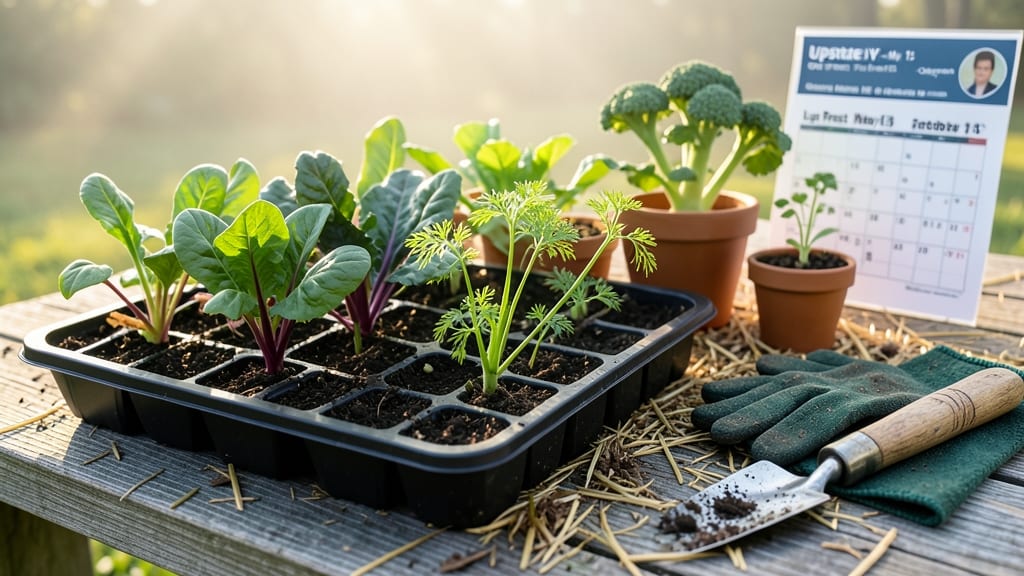
Timing your garden right in Upstate New York can feel like playing a high-stakes game of Mother Nature’s roulette—one wrong move, and your 🌱 General Garden Plants (Upstate NY) could freeze or bolt before you even get a chance to enjoy them.
With USDA zones 5b-6a bringing unpredictable frosts that can sneak in as late as mid-April or as early as mid-October, knowing exactly when to plant isn’t just helpful—it’s essential.
Whether you’re dreaming of juicy tomatoes or fragrant herbs, getting the timing right means the difference between a bountiful harvest and a sad, wilted disappointment.
I’ve spent years perfecting the schedule for Upstate NY’s short growing season, and what I’m about to share will help you avoid the most common mistakes—like planting too early and risking frost damage or waiting too long and missing peak harvests.
Let’s break down the best planting windows for your zone, how to adjust for microclimates (yes, even a few miles can make a difference), and exactly what to plant when for maximum success.
Upstate NY planting calendar: frost dates by zone 5B vs 6A
Upstate New York’s USDA Zones 5B and 6A create a short but productive growing season—just 160 frost-free days on average. That means getting your planting dates right is critical to avoid late spring frosts or early fall chills.
The last frost typically hits mid-April, while the first frost arrives around mid-October, but these dates can shift 2-3 weeks depending on your exact location.
Zone 5B (colder) covers higher elevations like the Adirondacks, while Zone 6A (warmer) includes areas like the Finger Lakes and Western NY. Even within these zones, microclimates—like south-facing slopes or urban heat islands—can push your planting window 1-2 weeks earlier.
For example, Albany (Zone 6A) often warms up faster than Syracuse (Zone 5B), so adjust accordingly.
To plan smart, I recommend checking the National Weather Service’s frost maps for your specific county. Local Master Gardeners (like those at Cornell Cooperative Extension) also track frost dates yearly.
For example, in 2023, Buffalo’s last frost was April 22nd, while Glens Falls’ was May 5th—a 13-day difference just 60 miles apart!
🌱 Upstate NY Planting Timeline by Zone & Crop Type
| Crop Type | Zone 5B (Cooler) | Zone 6A (Warmer) | Key Notes |
|---|---|---|---|
| Cold-Hardy Veggies (Spinach, Kale, Peas) | Late April - Early May | Early April - Mid-April | Can handle light frost; direct sow. |
| Warm-Season Veggies (Tomatoes, Peppers, Basil) | Mid-May - Early June | Late April - Mid-May | Start indoors 6-8 weeks before last frost. |
| Perennials (Asclepias, Lavender, Daylilies) | Early May - June | Late April - May | Plant after soil warms to 50°F; mulch well. |
| Fall Crops (Kale, Radishes, Lettuce) | Late July - Early August | Mid-July - Late July | Aim for 60+ days before first frost. |
| Flowers (Marigolds, Zinnias, Sunflowers) | Mid-May - June | Late April - May | Direct sow after frost risk passes. |
*Timing based on 10-year averages; verify with local data.
For Zone 5B gardeners, I always recommend hardening off seedlings for 2 weeks before transplanting after the last frost. In Zone 6A, you can often plant warm-season crops like cucumbers or beans by late April if you use row covers for extra protection.
Pro tip: Test soil temperature with a soil thermometer—most veggies need 50°F+ for roots to thrive.
Don’t forget about fall planting! Upstate NY’s short season means August is your last chance for cool-season crops. For example, broccoli sown in late July can mature before frost, while spinach planted in early August might bolt by October.
Use a frost blanket to extend harvests by 2-3 weeks.
If you’re new to Upstate NY gardening, I suggest starting with slow-to-warm soil plants like peas or radishes in early spring. These tolerate cooler temps and give you confidence before diving into tomatoes or peppers, which demand warmth and consistent moisture.
Keep a gardening journal to track your local frost dates—it’s the best way to refine your schedule year after year!
For organic gardeners, consider cover cropping in fall (like clover) to improve soil warmth for next spring. In Zone 5B, I’ve seen 3-4°F warmer
Best vegetables to plant in Upstate NY’s short season (with exact timing)
Upstate New York’s short growing season demands smart planning—especially when choosing vegetables that thrive in Zone 5B-6A. I’ve tested these varieties over years, and they consistently deliver reliable harvests despite late frosts and early snowfalls. The key? Planting at the right time and using season extenders like row covers.
For cool-season crops, start seeds indoors in March or direct-sow in early April (after the last frost). Spinach, kale, and peas are my top picks—they tolerate light frosts and even bolt less in cool weather.
If you’re impatient like me, radishes sprout in just 25 days, giving you quick gratification.
Here’s my ranked list of must-grow vegetables for Upstate NY, with exact planting windows and pro tips to maximize yields:
For warm-season crops, wait until after the last frost (usually mid-May) and choose fast-maturing varieties. Bush beans and zucchini are my go-tos—they grow quickly and produce abundantly before fall frosts.
If you’re growing tomatoes, opt for early-maturing varieties like ‘Early Girl’ or ‘Stupice’ (a heirloom that thrives in cool weather).
Don’t overlook fall planting! August is your last chance to sow cool-season crops like spinach, radishes, and turnips. These plants actually sweeten after frost, making them perfect for late harvests.
I’ve had kale survive until November with just a light row cover—proof that Upstate NY’s short season isn’t a dealbreaker!
To extend your season even further, invest in a cold frame or low tunnel. These simple structures can add 2–4 weeks to your growing season, letting you harvest greens and root veggies well into October. Just remember: water consistently and mulch heavily to protect roots from temperature swings.