
Plants
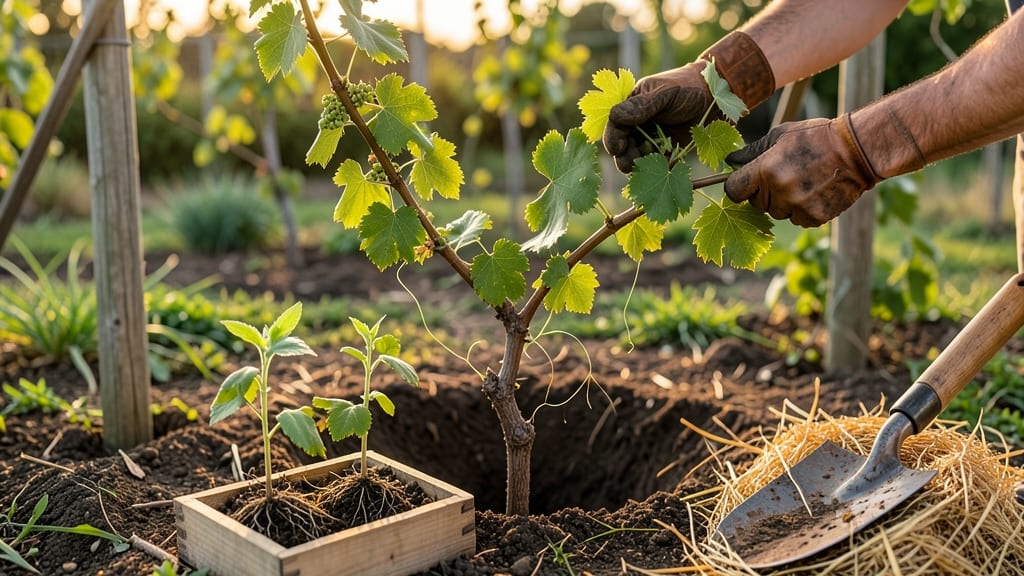
Best planting months for California grape vines by region
California’s grape vine planting success hinges on regional timing. The cooler northern zones (like Napa Valley) thrive with dormant-season planting, while Southern California’s mild winters allow year-round flexibility. Let’s break it down by USDA zones to ensure your vines establish strong roots before summer heat arrives.
For Northern California (Zones 8-9), the ideal window is November through March. This aligns with dormant-season planting, when soil temps hover between 40°F and 60°F. Bare-root vines planted in late winter (February-March) avoid winter chill while giving roots time to settle before spring growth kicks in.
In the Central Valley (Zone 9-10), where hot summers dominate, October to February is prime. Planting in early fall (October-November) lets vines establish roots before summer drought, while spring planting (March-April) works for container-grown vines in mild microclimates.
Southern California (Zones 10-11) offers the most flexibility—year-round planting is possible, but avoid extreme heat (June-August). Winter (December-February) is still ideal for bare-root vines, while potted vines can go in spring or fall to minimize transplant shock.
Coastal areas (e.g., Santa Barbara, San Diego) benefit from extended growing seasons. Here, planting in late winter (February-March) avoids coastal fog delays and ensures 6+ hours of sun daily. Urban gardeners in these zones can even plant container vines in early spring for summer harvests.
🌱
🍇 California Grape Vine Planting Guide by Region
| Region | USDA Zone | Best Planting Months | Key Considerations |
|---|---|---|---|
| Northern California | 8-9 | November–March | Dormant-season planting; avoid frost pockets. |
| Central Valley | 9-10 | October–February | Hot summers; prioritize root establishment. |
| Southern California | 10-11 | Year-round (avoid June–August) | Mild winters; container vines adaptable. |
| Coastal Areas | 9-11 | February–March (primary) | Fog delays growth; ensure full sun access. |
💡 Pro Tip: Adjust for elevation—higher areas (e.g., Sierra foothills) may need earlier planting to avoid late-spring frosts.
If you’re planting bare-root vines, aim for late winter (February-March) in most zones. These vines need 6-8 weeks to establish roots before active growth begins. Container-grown vines, however, can handle spring planting (April-May) in mild zones (10-11), as their root systems are already developed.
For Thompson Seedless or Cabernet Sauvignon varieties, soil temperature is critical. Use a soil thermometer to confirm temps are above 50°F—below this, roots struggle to grow. In cooler inland valleys (Zone 8), wait until March to avoid winter chill damage.
🌿
Don’t overlook local nurseries’ advice. They often stock region-specific varieties (e.g., Zinfandel in Sonoma) and know microclimate quirks.
For example, San Joaquin Valley growers may recommend October planting to beat summer heat stress, while coastal Santa Barbara gardeners might plant in late winter to align with rainy-season moisture.
Finally, urban gardeners in cities like Los Angeles or Sacramento should choose container-friendly varieties like Concord or Muscat. These can be planted in spring (April) and moved to sunny balconies or
Best planting months for California grape vines by region
California’s three distinct grape-growing regions—Northern, Central, and Southern—each demand different planting strategies to avoid frost damage or heat stress.
In cooler coastal areas (USDA Zones 8-9), like Santa Barbara or Napa Valley, your best window is November through March, when soil temps hover between 50°F and 65°F. This dormant-season planting lets roots establish before spring growth begins.
For the Central Valley’s intense heat (Zones 9-10), aim for late fall (October-November) or early spring (February-March). The key is avoiding summer’s 100°F+ soil temperatures, which can scorch young roots.
In Southern California’s mild zones (10-11), like San Diego or Riverside, you can plant year-round, but winter months (December-February) still offer ideal conditions.
| Region | Best Planting Window | Soil Temp Goal | Key Risk |
|---|---|---|---|
| Northern CA (Napa, Sonoma) | Nov–Mar | 50°F–65°F | Late frost (after Jan 15) |
| Central Valley (Fresno, Madera) | Oct–Nov or Feb–Mar | 60°F–70°F | Summer heat stress |
| Southern CA (San Diego, Temecula) | Year-round (best Dec–Feb) | 55°F–75°F | Urban heat islands |
If you’re planting bare-root vines, prioritize dormant-season months (November-February)—they establish roots faster in cooler soil. For container-grown vines, Southern California’s mild winters let you plant anytime, but avoid summer to prevent transplant shock from extreme heat.
Pro tip: Check your local frost dates (e.g., December 15 in Zone 8) to time planting 4–6 weeks before the last expected frost.
For urban gardeners, microclimates matter more than latitude. A rooftop in L.A. may hit 90°F soil temps in summer, while a shaded backyard in Sacramento stays cooler. Always test soil temperature with a soil thermometer—ideal planting temps are 55°F–70°F, regardless of the calendar.
One common mistake? Planting too early in Southern California’s mild zones. While year-round planting is possible, vines planted in summer (June-August) struggle with root desiccation and pest pressure. Stick to cooler months for the healthiest start, even if your zone allows flexibility.
Remember: Thompson Seedless and Cabernet Sauvignon thrive in California’s varied climates, but timing is everything. Plant at the right moment, and your vines will reward you with vigorous growth and bountiful harvests in just 2–3 years. 🍇