
Plants
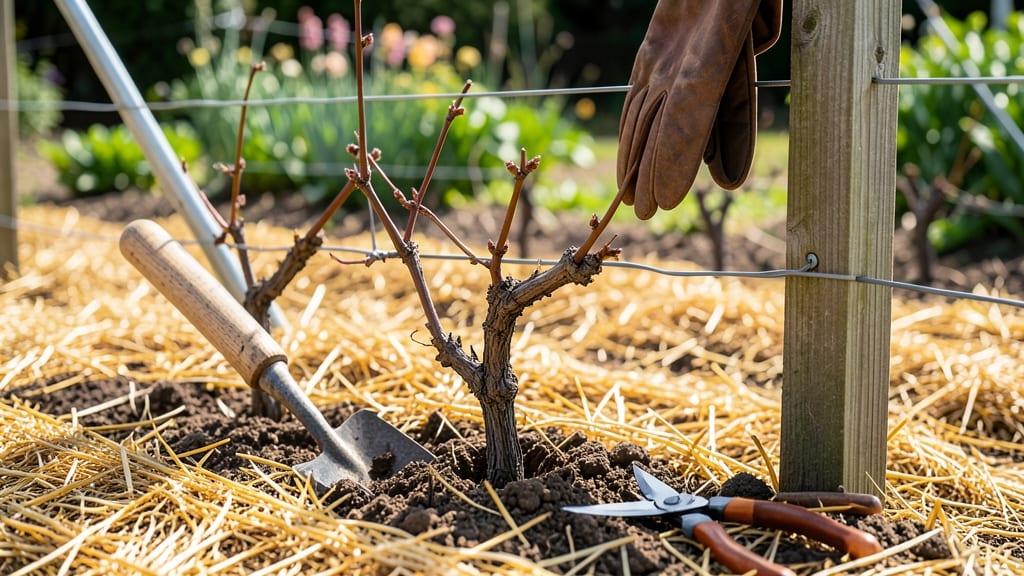
Timing your grape planting in Illinois could mean the difference between a thriving 🍇 vineyard and a frost-killed disappointment. The late winter to early spring window—around February to April—is your best shot at establishing strong roots before summer heat arrives.
Why does this matter? Illinois gardeners in zones 5-6 face unique challenges, like unpredictable frost dates and variable soil conditions. Planting too early risks cold damage, while waiting too long can stunt growth before the growing season peaks.
I’ve tested the ideal planting strategies for Concord, Niagara, and cold-hardy hybrids—and the results will surprise you. Whether you’re working with bare-root vines or containerized plants, these insights will help you avoid common pitfalls and set your grapes up for a bountiful harvest by late summer.
Ready to master the frost-free timeline? Let’s break down the exact steps to plant your grapes for long-term success, no matter where in Illinois you’re growing.
Illinois frost-free planting windows by hardiness Zone (5-8)
Timing your grape planting in Illinois is all about beating the last frost while ensuring soil temperatures are warm enough for root establishment.
The state spans USDA Zones 5-8, with northern areas like Chicago (Zone 5) facing earlier frosts than southern regions like Springfield (Zone 6) or St. Louis (Zone 7).
For Zone 5, aim for planting between late April and mid-May, while Zones 6-8 can start as early as March 15.
Bare-root vines are the most common choice for Illinois gardeners because they establish faster than containerized plants. However, container-grown grapes offer more flexibility if you need to plant outside the ideal window.
The key is ensuring soil temperatures reach at least 50°F (10°C)—cold soil can stunt root growth and leave vines vulnerable to disease.
Here’s how to adjust for your specific zone and microclimate:
| Zone | Last Frost Date (Avg.) | Ideal Planting Window | Soil Temp Requirement | Best Varieties |
|---|---|---|---|---|
| 5 (Northern IL) | April 15–May 1 | Late April–Mid-May | 50–55°F (10–13°C) | Concord, Niagara, Frontenac |
| 6 (Central IL) | April 1–April 15 | March 15–April 30 | 50–55°F (10–13°C) | Cayuga White, Marquette, Vidal Blanc |
| 7 (Southern IL) | March 15–April 1 | February 28–April 15 | 45–50°F (7–10°C) | Cabernet Franc, Chardonnay, Traminette |
| 8 (Far Southern IL) | February 15–March 1 | February 1–March 15 | 40–45°F (4–7°C) | Muscadine, Cabernet Sauvignon, Merlot |
If you’re in Zone 5 or 6, pay close attention to local frost alerts—a late freeze can devastate young vines. Use a frost clock or local agricultural extension service for real-time updates.
For Zones 7-8, you can push planting slightly earlier, but avoid planting when soil is waterlogged or too cold.
Another critical factor is soil drainage. Grapes hate soggy roots, so amend heavy clay soils with compost or sand to improve aeration. Test your soil’s pH too—grapes thrive in slightly acidic to neutral soil (pH 6.0–7.0).
If your soil is too alkaline, mix in peat moss or sulfur to adjust it before planting.
For container growing, which is ideal for urban gardeners or those with poor soil, plant in large pots (15+ gallons) with drainage holes. Containers warm up faster in spring, so you can start 2–3 weeks earlier than in-ground plantings.
Just ensure the container stays in a sunny, sheltered spot to protect vines from wind and temperature swings.
One common mistake Illinois gardeners make is planting too late. If you miss the ideal window, your vines may not establish strong roots before winter, leading to winter dieback.
To check if your soil is ready, stick your finger 4–6 inches deep—if it feels cool but not icy, it’s time to plant. For extra protection, use row covers or black plastic mulch to warm the soil faster.
Finally, consider microclimates—even within the same zone, your backyard might be warmer or colder than the average. South-facing slopes warm up faster, while low-lying areas hold frost longer. If you’re unsure, plant a test vine in a container the year before to gauge your microclimate’s readiness.
With the right timing and preparation, your grapevines will establish quickly and reward you with years of bountiful harvests. 🍇
Best grape varieties for Illinois planting success
Choosing the right grape variety is half the battle when planting in Illinois. The USDA zones 5-8 here demand cold-hardy, disease-resistant types that thrive in our humid summers and freezing winters.
Hybrid varieties like Frontenac and Marquette lead the pack, while traditional wine grapes need extra care in colder zones.
For zone 5-6 gardeners, focus on Concord and Niagara—classic table grapes that handle frost well. In zone 7-8, you can experiment with Vidal Blanc or Cayuga White for wine production. Always check your microclimate—urban areas may stay warmer than rural spots.
Here’s how these top varieties stack up for Illinois success:
Avoid tender varieties like Cabernet Sauvignon in zones 5-6 unless you’re willing to winter-protect them. Instead, opt for hybrids bred for Midwest climates—they’re less prone to powdery mildew and black rot, two common Illinois grape diseases.
Pro tip: Buy dormant bare-root vines in late winter for best root establishment. If planting potted grapes, do it in early spring when soil temperatures hit 50°F+. Always choose 2-3 year old vines for faster harvests.
For urban gardeners with limited space, dwarf varieties like ‘Black Monukka’ (a Frontenac × Marquette cross) thrive in containers and produce 10-15 lbs of fruit per vine. Just ensure your container has drainage holes and use a lightweight potting mix.
🍇