
Plants
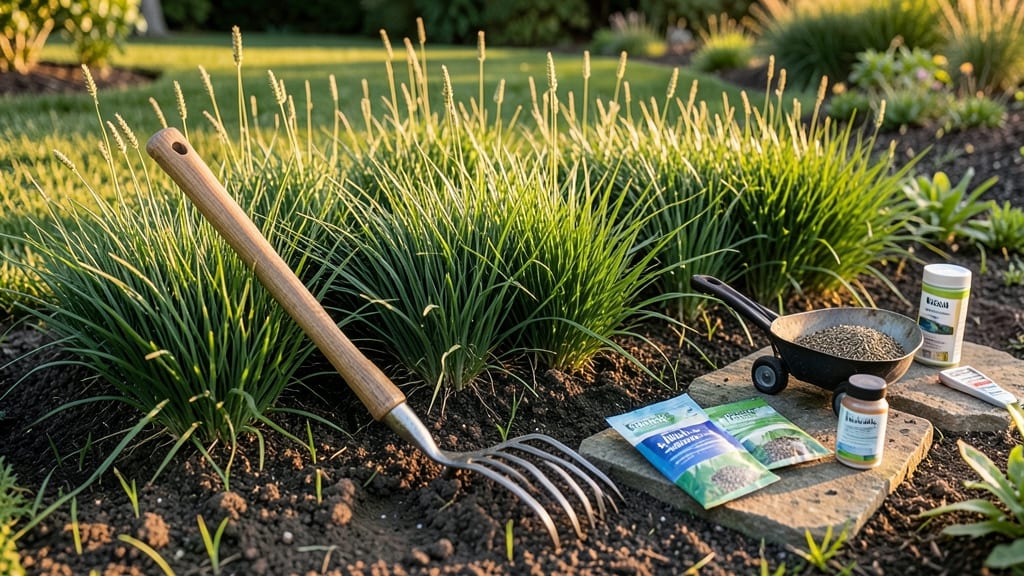
Knowing when to plant grass in Illinois isn’t just about picking a month—it’s about catching the perfect soil temperature window that makes all the difference between a fast, lush lawn and months of patchy, slow growth.
Most gardeners wait until spring, but the truth is, fall planting often gives you a head start on next year’s green carpet—if you time it right.
Here’s the catch: Illinois’ 5a-6b climate zones mean soil warms up differently depending on whether you’re in Chicago or downstate. Too early, and your seeds will sit dormant; too late, and summer heat can stress young grass.
I’ll break down the exact soil temperature triggers (50°F+ for cool-season grasses) and how to adjust your planting schedule based on your region’s last frost date.
Whether you’re seeding in early spring or late fall, the key is consistency. We’ll cover how to test your soil’s readiness, choose the right grass type for your zone, and avoid common mistakes that leave lawns looking sad instead of stunning.
Ready to skip the guesswork and plant with confidence?
Let’s dive into the science-backed timing that’ll have your 🌱 Grass (Turfgrass) thriving in no time—no more waiting for next year’s lawn dreams to come true.
Best months to plant grass in Illinois based on soil temperature
Planting grass in Illinois isn’t just about picking a month—it’s about soil temperature. Most cool-season grasses (like Kentucky Bluegrass) thrive when soil hits 50°F or warmer, while warm-season varieties (like Bermuda) need 60°F+.
Illinois’ USDA zones 5a-6b mean timing varies from northern to southern regions by 2-4 weeks.
Spring planting kicks off as soon as the last frost passes (mid-April in most areas), but soil warmth is the real trigger. Fall planting, however, offers a second chance—just 4-6 weeks before frost (typically September-October) to let seeds establish roots before winter.
Skipping this window risks frost damage or slow germination.
The biggest mistake? Planting too early when soil is still cold. Seeds may rot instead of sprouting. Use a soil thermometer (or the hand test) to confirm readiness.
In northern Illinois, aim for late April to early May for spring; in southern Illinois, you can start as early as March.
🌱 Illinois Grass Planting Timeline by Season
| Season | Ideal Months | Soil Temp Trigger | Grass Types |
|---|---|---|---|
| Early Spring | March–April (South IL) April–May (North IL) |
50°F+ (10°C+) | Kentucky Bluegrass, Tall Fescue |
| Late Spring | May–June | 60°F+ (15°C+) | Bermuda, Zoysia (Warm-Season) |
| Early Fall | September–October | 55°F+ (13°C+) | All cool-season grasses |
| Late Fall | November (Risky) | 45°F+ (7°C+) | Emergency repairs only |
⚠️ Pro Tip: Southern Illinois can plant 2-3 weeks earlier than northern areas due to warmer microclimates.
Northern Illinois gardeners should prioritize fall planting—it’s the safest bet. Cooler temps reduce weed competition, and seeds have time to root before winter. For warm-season grasses like Bermuda, wait until late May or June when soil is consistently above 60°F.
Early planting risks frost damage or stunted growth.
Rainfall also plays a role. Illinois’ unpredictable spring showers can delay planting if soil becomes waterlogged. Aim for 1-2 weeks of dry weather after seeding to prevent clumping. In drought-prone areas (like western Illinois), consider hydromulching to retain moisture during germination.
If you’re in a transition zone (e.g., Champaign or Springfield), overlap cool-season and warm-season grasses for year-round coverage. Plant Kentucky Bluegrass in fall and Bermuda in late spring to create a two-layer lawn. This strategy works best with shade-tolerant mixes if your yard has partial shade.
One common myth is that "earlier is always better". Not true! Planting too early (e.g., February in northern IL) risks seed rot from cold, wet soil. The 50°F rule is non-negotiable for cool-season grasses. Use a soil thermometer for 3 consecutive days to confirm consistency.
For renters or urban gardeners, consider sod instead of seed—it establishes faster and requires no soil temp checks. But if you’re seeding, late August to early September is the sweet spot for fall planting across most of Illinois. This gives roots 6-8 weeks to establish before frost.
Remember: Illinois’ microclimates matter. A valley may stay warmer than a hilltop by 5-10°F. Adjust your planting date accordingly. For example, Chicago’s suburbs (Zone 5b) might plant 1 week later than St. Louis (Zone 6a).
Finally, prep your soil 2-3 weeks before planting. Loosen the top 4 inches of soil, remove debris, and add compost for nutrients. This step is critical—compacted soil delays germination by up to 30%. Test your soil’s pH (6.0-7.0 ideal) and amend if needed.
Best months to plant grass in Illinois based on soil temperature
Illinois’ climate varies dramatically from its northern USDA Zone 5a to southern Zone 6b, so timing matters more than you’d think. Cool-season grasses like Kentucky Bluegrass and Tall Fescue need soil temps of 50–55°F to germinate, while warm-season Bermuda Grass thrives when soil hits 60°F+.
Planting outside these ranges risks slow growth or seed rot.
Most Illinois gardeners achieve success by planting in early spring (March–April) or early fall (September–October). Spring planting gives grass a head start before summer heat, while fall offers cooler temps and fewer weeds. Southern Illinois can push planting slightly later due to warmer microclimates.
Here’s how to align your planting with Illinois’ soil temperature triggers and regional variations:
| Season | Ideal Months | Soil Temp Trigger (°F) | Best Grass Types | Illinois Region Fit |
|---|---|---|---|---|
| Spring | March–April | 50–55°F | Kentucky Bluegrass, Tall Fescue | North (Zone 5a) & Central |
| Spring | April–May | 60°F+ | Bermuda Grass | South (Zone 6b) |
| Fall | September–October | 55–65°F | All cool-season grasses | Statewide |
Northern Illinois (e.g., Chicago area) should aim for late April spring planting to avoid late frosts, while southern Illinois (e.g., St. Louis) can start as early as mid-March. Fall planting in northern regions should wrap up by mid-October to allow roots to establish before winter.
Missed the window? September is your last chance for cool-season grasses—planting after mid-October risks seed dormancy before winter sets in. For warm-season grasses, late summer (August) is a backup, but germination slows as temps drop.
Pro tip: Use a soil thermometer to confirm temps before planting. If soil is too cold, wait—rushing leads to patchy, slow-growing lawns that struggle to compete with weeds. Patience here pays off with a thicker, healthier lawn by summer.