
Plants
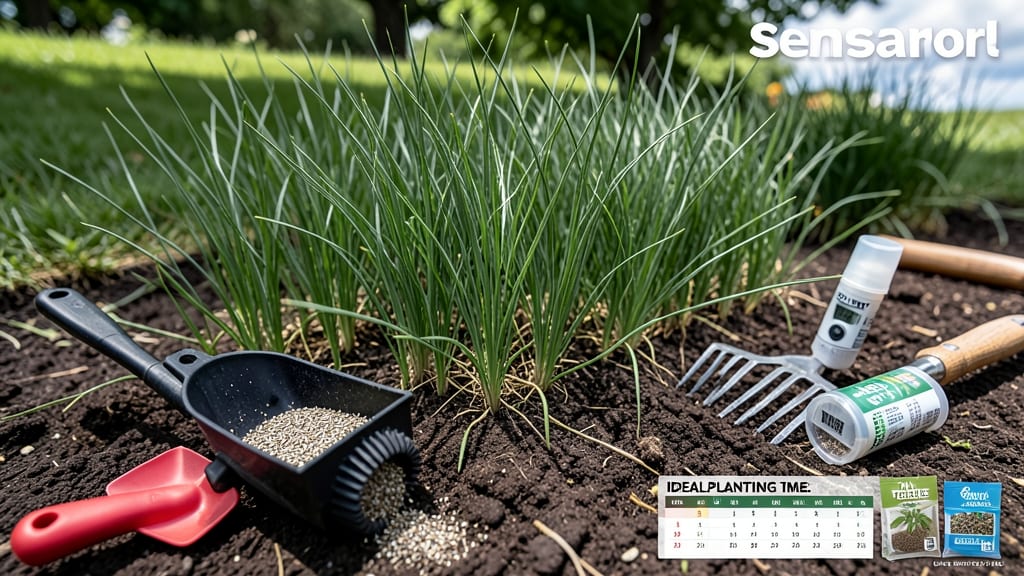
Planting grass seed in Tidewater, Virginia isn’t just about picking a date—it’s about outsmarting the region’s sticky humidity, coastal winds, and sudden heat spikes that can turn your hard work into a soggy mess. If you’ve ever watched your lawn struggle to take root despite your best efforts, you’re not alone. The key lies in understanding when to plant—early fall or late spring—and how to prep your soil to beat Tidewater’s unique challenges.
Here’s the truth: Cool-season grasses like tall fescue thrive when soil temps hover between 55°F and 65°F, while warm-season varieties like Bermuda prefer 65°F to 75°F.
But in USDA Zone 7b-8a, timing isn’t just about the calendar—it’s about avoiding the brutal summer heat or the damp, fungal-prone conditions of late fall. I’ll break down the exact windows that work best for your microclimate, whether you’re near the Chesapeake Bay or inland.
What you’ll discover is how to turn Tidewater’s challenges into advantages. From choosing the right seed mix for your yard’s exposure to mastering watering schedules that prevent fungal outbreaks, this guide cuts through the guesswork.
No more wasted seed or patchy lawns—just a lush, resilient 🌱 that stands up to the region’s quirks.
Ready to skip the trial-and-error? Let’s dive into the soil temp secrets and microclimate hacks that’ll give your grass the strong start it deserves—without the headaches. Your future lawn will thank you.
Optimal planting windows for Tidewater Virginia grass seed (soil temp guide)
Tidewater Virginia’s humid subtropical climate creates unique challenges for grass seed planting. Unlike inland areas, coastal zones near Chesapeake Bay experience milder winters and warmer soils, shifting traditional planting windows.
For cool-season grasses like tall fescue and Kentucky bluegrass, aim for early fall or late spring when soil temps hover between 55-65°F. Warm-season grasses like Bermuda or Zoysia thrive when soil reaches 65-75°F, typically in late spring to early summer.
The USDA Zone 7b-8a designation means Tidewater’s frost-free period stretches from March 15 to November 15, giving you a 210-day growing window. However, coastal areas may experience earlier soil warming due to salt air and bay breezes.
This means inland zones might align closer to general Virginia guidelines, while coastal properties could plant 1-2 weeks earlier in spring or 1-2 weeks later in fall.
Here’s the soil temperature and planting window breakdown for Tidewater’s two distinct zones:
| Grass Type | Ideal Soil Temp (°F) | Best Planting Window | Coastal Adjustment |
|---|---|---|---|
| Cool-Season (Tall Fescue, KBG) | 55-65°F | Early Fall (Sept-Oct) or Late Spring (March-April) | Plant 1-2 weeks earlier in coastal zones |
| Warm-Season (Bermuda, Zoysia) | 65-75°F | Late Spring (May-June) | Delay by 1 week in inland areas for soil warmth |
| Fine Fescue (Shade-Tolerant) | 50-60°F | Early Fall (Aug-Sept) or Late Winter (Feb) | Coastal areas can plant in January if soil isn’t frozen |
🌱 Pro Tip: Use a soil thermometer ($10 at garden centers) to confirm temps before planting.
For coastal properties, salt spray can stress young seedlings, so rinse newly planted areas with freshwater after heavy storms. Inland zones should focus on soil drainage, as Tidewater’s clay-heavy soils retain moisture, leading to fungal risks if overwatered.
Always test your soil’s pH (5.5-6.5 ideal)—coastal soils often test slightly higher due to salt deposition.
If you’re planting in late spring, choose shade-tolerant varieties like fine fescue to combat Tidewater’s intense summer sun (80°F+). For fall plantings, prioritize early September to allow 6-8 weeks of root establishment before first frost.
Avoid planting in July-August—the combination of heat, humidity, and fungal pressure makes germination nearly impossible.
My personal rule for Tidewater lawns: Plant when your neighbor’s azaleas bloom (late March) for spring or when goldenrod starts yellowing (early October) for fall. These natural cues align with soil temps and reduce guesswork. Pair this with a pre-emergent herbicide in late winter to block weeds before seeding.
One final hack: Use a black plastic tarp for 2-3 weeks before planting to warm cold soils in early spring. Simply lay it down in sunny spots, weigh it with bricks, and remove it just before seeding. This trick adds 5-10°F to soil temps, giving cool-season grasses a head start.
Remember, Tidewater’s microclimates mean your neighbor’s perfect lawn timing might not work for you. Monitor soil temps daily for the first week after planting—consistent moisture and the right temps are your best tools for beating the heat and humidity.
Microclimate hacks: how Tidewater’s humidity & salt air affect grass seed success
Tidewater Virginia’s coastal climate throws extra challenges at your grass seed—high humidity, salt air near Chesapeake Bay, and intense summer heat can derail even the best-laid plans. The key?
Adjusting your approach based on whether you’re planting near the coast or inland. Coastal areas face salt stress and higher fungal risks, while inland zones battle drought-like conditions despite humidity.
For coastal properties within 5 miles of the Bay, opt for salt-tolerant grasses like tall fescue or perennial ryegrass. These varieties handle sodium buildup better than others. Inland areas can focus on fine fescue or Bermuda grass, which thrive in lower humidity but still need consistent moisture.
Always rinse soil with fresh water after storms to flush out accumulated salt near shorelines.
Humidity in Tidewater means fungal diseases like brown patch or dollar spot lurk year-round. To fight back, water early morning only (before 10 AM) to let grass blades dry quickly. Avoid overhead sprinklers—use soaker hoses or drip irrigation to keep foliage dry.
If you see yellow rings or dark spots in your lawn, act fast with a copper-based fungicide.
Don’t overlook soil preparation—Tidewater’s sandy soils drain too quickly, while clay-heavy areas hold too much moisture. Test your soil’s pH (5.5-6.5 ideal) and amend with compost or peat moss for coastal zones, or sand and gypsum for inland clay.
A 2-3 inch layer of mulch after planting helps regulate soil temperature and reduces evaporation, especially critical during Tidewater’s 90°F+ summer afternoons.
If you’re planting near road salt runoff zones (common in Norfolk or Virginia Beach), consider a gypsum treatment before seeding. This flushes out excess sodium.
For inland heat stress, shade young seedlings with lightweight row covers during the hottest part of the day (12–3 PM) until they’re 3-4 inches tall. This simple hack can boost survival rates by 30-40% in peak summer months.
Finally, monitor your lawn’s color and texture closely. Healthy Tidewater grass should be deep green and resilient—any yellowing or thinning signals stress from salt, heat, or poor watering. Adjust your care routine immediately, and don’t hesitate to reseed bare spots in early fall for a fresh start before winter.