
Plants
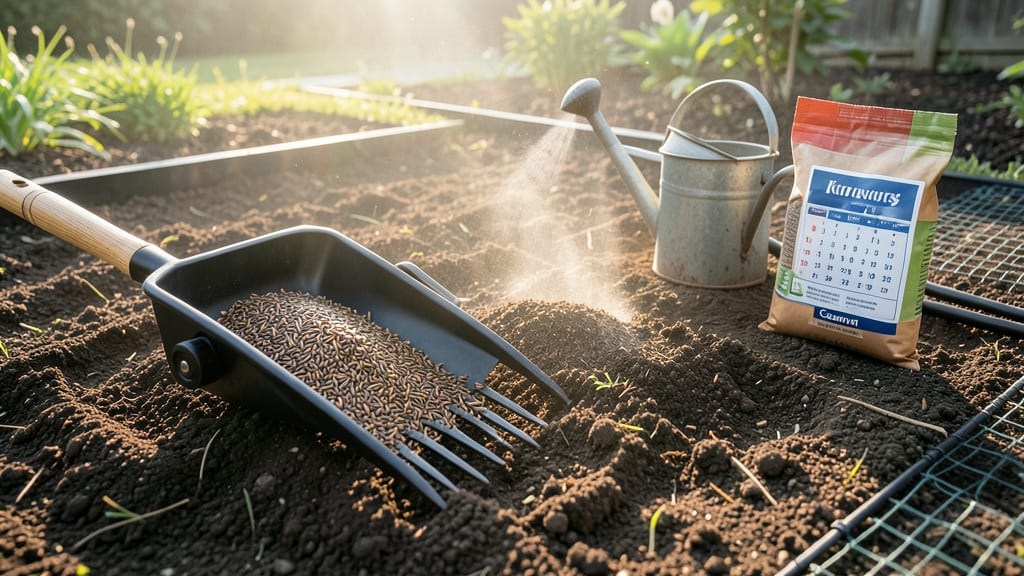
Planting grass seed at the wrong time in Kentucky can mean wasted money and months of waiting for a lush lawn—here’s the exact soil temperature and microclimate window to guarantee success.
If you’ve ever stared at your patchy yard wondering why your grass isn’t growing, the answer likely lies in timing. Kentucky’s 6a-7b climate demands precision: plant too early, and frost will kill your seedlings; too late, and summer heat will stress them before they establish.
The ideal window is when soil hits 50-65°F, typically March-April or August-September.
But here’s the catch: Kentucky’s microclimates—from the Bluegrass Region to the Cumberland Plateau—can shift deadlines by weeks. I’ll break down the exact dates for your area, plus soil prep tricks to extend your window if Mother Nature throws a curveball.
Ready to skip the guesswork? Let’s dive into the step-by-step schedule that’ll have your lawn thriving in 60-90 days—no frost, no frustration.
Kentucky’s ideal grass seed planting window by soil temperature and microclimate
Kentucky’s USDA zones 6a-7b create a unique challenge for grass seed planting—cool springs and unpredictable frost dates demand precision. The perfect window is when soil temperatures hit 50-65°F, ensuring strong germination without frost damage.
In most of Kentucky, this aligns with early April through mid-May for spring plantings, while late August to early September offers ideal fall conditions.
Your microclimate plays a critical role. Urban areas like Louisville and Lexington experience "heat islands" that warm soil faster, while rural regions like the Cumberland Plateau stay cooler longer. Even within 50 miles, planting dates can shift by 2-3 weeks.
Always check your last frost date—Kentucky’s ranges from mid-April in the north to late March in the south.
Timing isn’t just about frost—it’s about soil moisture and weed competition. Planting too early (before 50°F soil) risks seed rot, while waiting too long (after 85°F) stresses seedlings. Kentucky’s clay-heavy soils also dry out faster in summer, making fall plantings the most reliable for consistent results.
🌱 Kentucky Grass Seed Planting Timeline by Region
| Region | Ideal Planting Window | Soil Temp Range | Key Consideration |
|---|---|---|---|
| Northern KY (e.g., Paducah) | Late April–May | 50–60°F | Later frost risk; use ryegrass mixes |
| Central KY (e.g., Frankfort) | Early April–mid-May | 52–65°F | Moderate clay; test soil pH first |
| Bluegrass Region (e.g., Lexington) | Mid-March–April | 55–62°F | Urban heat islands; plant Kentucky Bluegrass |
| Western KY (e.g., Bowling Green) | Late March–early April | 50–60°F | Warmer microclimate; avoid summer heat |
| Eastern KY (e.g., Corbin) | Early May–June | 50–58°F | Higher elevation; extend window with row covers |
🌡️ Pro Tip: Use a soil thermometer ($10 at garden centers) to confirm temps before planting.
For fall plantings, Kentucky’s first frost (typically mid-October) sets your deadline. Aim to plant 6-8 weeks before frost—so late August to early September—to allow seedlings to establish roots before winter.
Fall grass grows 30% faster than spring-sown seed because cooler temps reduce weed competition and disease pressure.
If you’re planting Bermuda grass (common in southern Kentucky), push your window to late spring (May)—this heat-loving grass germinates best at 70°F+ soil temps. For cool-season grasses like tall fescue or Kentucky Bluegrass, stick to spring or early fall to avoid summer stress.
Always avoid planting in summer—Kentucky’s 90°F+ heat and drought conditions can kill seedlings in 2 weeks.
Microclimates also affect watering needs. Urban lawns in Louisville dry out faster due to concrete heat absorption, while shaded areas under trees may stay moist longer.
Test your soil’s moisture retention by digging a 6-inch hole—if it’s dry at 4 inches deep, you’re in a fast-draining zone and need daily watering for the first 2 weeks.
One critical mistake Kentucky gardeners make is ignoring elevation changes. Areas like Pikeville (elevation 1,000+ ft) can have 2 weeks later planting windows than Hopkinsville (elevation 300 ft). Use the USDA Plant Hardiness Map to adjust your timeline based on your exact zip code.
To extend your planting window, try these Kentucky-pro
Kentucky’s ideal grass seed planting window by soil temperature and microclimate
Kentucky’s USDA zones 6a-7b create a 165-day frost-free window, but planting grass seed at the wrong time can lead to poor germination or frost damage. The ideal soil temperature for planting is between 50°F and 65°F, ensuring seeds germinate quickly without stress.
In Kentucky, this typically aligns with early spring (March-April) and early fall (August-September), but microclimates like the Bluegrass Region or Cumberland Plateau may shift these windows by 2-3 weeks.
For example, Northern Kentucky (USDA 6a) often sees its last frost in mid-April, while Southern Kentucky (USDA 7b) can plant safely until early May. Elevation also plays a role: higher areas like the Pennyrile Plateau may need to wait an extra week for soil to warm.
Always check your local frost-free date and aim to plant 4-6 weeks before the first expected frost in fall to allow roots to establish.
🌱 Kentucky Grass Seed Planting Timeline by Microclimate
| Microclimate | Best Planting Window | Soil Temp Range | Key Consideration |
|---|---|---|---|
| Bluegrass Region (Louisville, Lexington) | March 15 - April 15 | 50°F - 65°F | Urban heat islands may warm soil faster |
| Western Kentucky (Paducah, Bowling Green) | March 20 - April 20 | 52°F - 67°F | Warmer microclimate extends window |
| Eastern Kentucky (Corbin, Pikeville) | April 1 - April 15 | 50°F - 63°F | Higher elevation delays soil warming |
| Fall Planting (All Regions) | August 15 - September 15 | 60°F - 70°F | Avoid planting after September 20 (frost risk) |
🌡️ Pro Tip: Use a soil thermometer to confirm temps before planting—Kentucky’s clay soils can stay cold longer than sandy areas.
If you’re planting cool-season grasses like tall fescue or Kentucky Bluegrass, prioritize early spring (March-April) when soil is workable but not yet too hot. For warm-season grasses like Bermuda or Zoysia, wait until late spring (May-June) when soil temps exceed 70°F.
Fall planting is ideal for cool-season grasses, but avoid seeding after September 20 to prevent frost damage before roots establish.
Kentucky’s clay-heavy soils can also delay soil warming. If your yard stays cold longer, consider black plastic mulch or straw covers to raise soil temps by 5-10°F and speed up germination.
Test your soil’s pH (6.0-7.0 ideal) and amend with lime or sulfur if needed—Kentucky’s acidic soils often require adjustments for optimal grass growth.
For urban heat islands (common in cities like Louisville), soil may warm 1-2 weeks earlier than rural areas. Monitor local weather forecasts for frost warnings and adjust your planting timeline accordingly.
If you’re unsure, err on the side of planting slightly later—seeds won’t germinate in cold soil, but established grass can handle a light frost.
Finally, remember that overseeding (adding seed to an existing lawn) has a shorter window—typically late summer to early fall—to compete with established grass. Use a slit seeder for better seed-to-soil contact and water lightly but frequently to keep seeds moist until germination.