
Plants
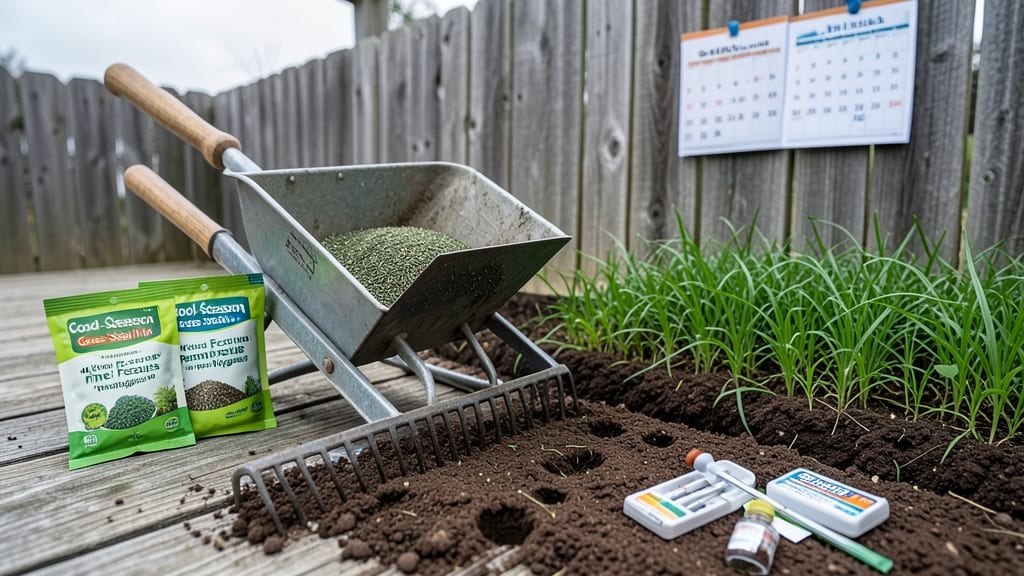
Timing your grass seed planting in Maine right can mean the difference between a vibrant lawn and a frustrating patchwork of bare spots. With Maine's unpredictable spring weather and chilly nights, knowing when to plant is more than just a suggestion—it's a necessity for success.
Most gardeners swear by the early spring window, but Maine's 5a-6b climate zone also offers a second chance in early fall. The key is understanding soil temperatures and frost dates, which can shift from year to year.
I'll walk you through the exact timing, soil prep tips, and even which grass varieties thrive best in your region.
You don't need to be a lawn expert to get this right. We'll cover everything from testing your soil temperature to avoiding common mistakes like planting too late in summer. Whether you're seeding a new lawn or repairing bare patches, these insights will help you plant with confidence.
Let's dive into the perfect planting schedule for your Maine lawn, so you can enjoy that lush 🌱 green carpet all season long. The secret starts with knowing when to put that seed in the ground—and when to hold off until conditions are just right.
Maine’s ideal grass seed planting window by month & soil temperature
Maine’s climate—marked by chilly springs, short summers, and early frosts—demands precision when planting grass seed. The optimal window is early spring or early fall, when soil temperatures hover between 50°F and 65°F. This range ensures seeds germinate without risking frost damage or summer drought stress.
For spring planting, aim for late April to early May once the ground thaws and soil warms. Coastal areas like Portland may start earlier, while inland regions like Bangor might need to wait until mid-May.
Fall planting should begin 6-8 weeks before the first frost, typically around late August to mid-September.
Maine’s USDA Zones 5a-6b mean frost dates vary wildly—coastal zones (like Zone 6b) may see frost-free windows until mid-October, while northern areas (like Zone 5a) could face frost as early as late September. Always check the Maine Cooperative Extension for your specific last frost date.
| Season | Best Planting Window | Soil Temperature (°F) | Key Considerations |
|---|---|---|---|
| Spring | Late April–Early May | 50–65°F | Wait for consistent 50°F+ soil temps; avoid late May (summer drought risk). |
| Fall | Late August–Mid-September | 55–65°F | Plant 6–8 weeks before frost; seeds establish roots before winter. |
| Avoid | Late May–July | N/A | High heat stress and drought reduce germination rates. |
Spring planting offers the longest growing season for grass to establish before winter, but it requires vigilant weed control. Fall planting, however, lets seeds germinate in cooler temps, reducing watering demands and weed competition.
Test your soil temperature with a soil thermometer—it’s the surest way to avoid planting too early or late.
If you’re in southern Maine (e.g., Portland, Kittery), you might squeeze in a late-September planting, but northern areas (e.g., Presque Isle, Caribou) should finish by mid-August. Always prioritize soil warmth over calendar dates—cool, wet springs can delay germination for weeks.
Pro tip: Use a clear plastic sheet over seeded areas to trap heat and speed up germination, especially in cooler microclimates. Remove it once sprouts appear to prevent overheating. Pair this with consistent moisture—Maine’s clay soils can dry out faster than you think!
For coastal gardens, where temperatures moderate, you might extend fall planting into early October. Inland areas, though, should stop by September 15th to avoid frost damage. Check local almanac records for your town’s 30-year frost averages—they’re more reliable than general state guidelines.
Remember: Overseeding in fall (adding seed to an existing lawn) works best when daytime temps stay above 60°F and nights dip below 50°F. This mimics Maine’s natural fall cooling trend and encourages deep root growth before winter dormancy.
Finally, avoid planting in late summer (August)—this is the worst time due to heat stress and limited rainfall. Instead, use this period to aerate and fertilize your lawn for a stronger spring or fall seedbed.
How to prepare your Maine lawn for grass seed success
Preparing your lawn for grass seed in Maine isn’t just about timing—it’s about creating the perfect foundation. Clay-heavy soils and variable rainfall demand extra attention to ensure seeds germinate properly.
Start by testing your soil’s pH level (ideal: 6.0–7.0) using a simple kit from the University of Maine Cooperative Extension. If your soil is too acidic, add pelletized lime in early spring to adjust it gradually.
Next, clear the area of weeds and debris using a stiff rake or dethatching tool. Focus on removing broadleaf weeds and grass clippings, which can smother new seeds.
For stubborn weeds, apply a pre-emergent herbicide 2–4 weeks before planting. Remember, organic options like corn gluten meal also work but require more frequent applications.
Now, let’s talk soil texture. Maine’s soils often compact easily, so aerate your lawn in early fall or spring using a core aerator. This process pulls small plugs of soil, allowing seeds to reach deeper layers.
After aerating, spread a thin layer of compost (¼ inch) to improve drainage and fertility. Avoid heavy amendments—they can suffocate seeds.