
Plants
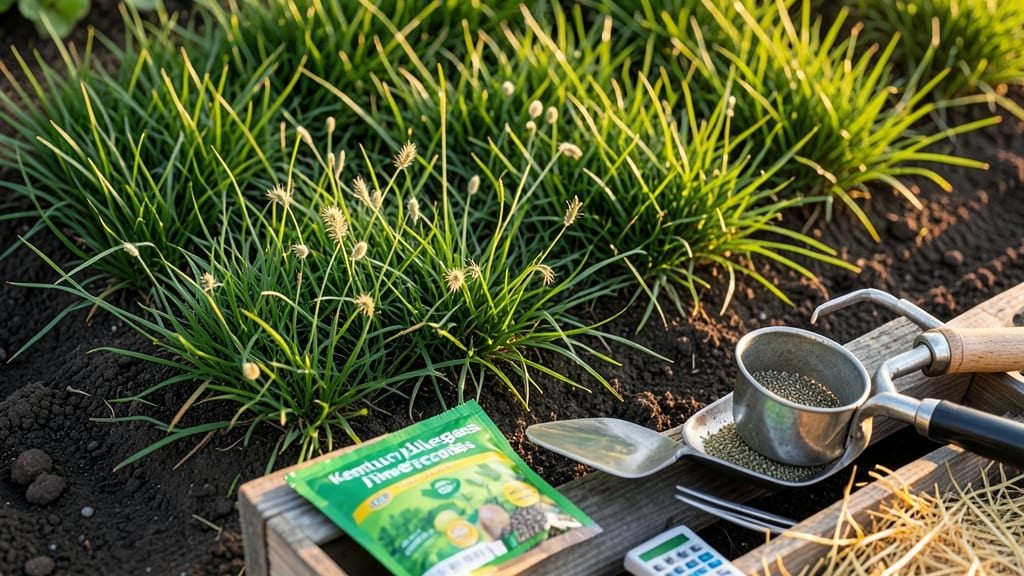
Timing your grass planting in Maine wrong can mean soggy seeds or stunted growth—so knowing the exact frost-free window and soil temp rules is your first step to a lush lawn.
Maine’s 5b-6a climate throws curveballs with late frosts and unpredictable spring weather, but the key is planting when soil hits 50°F+ and stays there.
Most gardeners in Maine swear by early spring (April-May) or fall (August-September) planting, but coastal areas like Portland warm up faster than inland spots like Bangor.
The last frost typically arrives between April 15-May 15, but don’t rush—waiting for consistent warmth ensures your 🌱 grass seeds germinate properly and don’t wash away.
This guide breaks down the ideal planting windows by region, soil prep tricks, and the best grass varieties for Maine’s climate. Whether you’re seeding a new yard or overseeding bare patches, these insights will help you avoid common mistakes and get your lawn off to the right start.
Ready to skip the guesswork? Let’s dive into the timing, temperatures, and techniques that’ll give you a thick, healthy lawn—without the frustration of replanting. Your future self (and your lawnmower) will thank you.
Maine’s frost-free window: when to plant grass seed (by region)
Maine’s unpredictable spring weather makes timing critical for grass planting. The last frost date varies dramatically across regions—from mid-April in Portland to late May in Presque Isle. Coastal areas like Bar Harbor often see frost-free conditions 2-3 weeks earlier than inland spots like Augusta due to warming ocean currents.
For southern Maine (Portland, Kittery), aim for late April to early May when daytime temps consistently stay above 50°F. Central Maine (Bangor, Waterville) typically waits until mid-May, while northern Maine (Presque Isle, Caribou) often pushes planting to early June to avoid late frosts.
🌱 Pro Tip: Use the USDA Plant Hardiness Zone Map (Zones 5b-6a in Maine) as a baseline, but always verify with local almanac records—Maine’s microclimates can shift frost dates by 2+ weeks.
| Region | Last Frost Date | Ideal Planting Window | Soil Temp Rule |
|---|---|---|---|
| Southern Maine (Portland, Kittery) | Mid-April to early May | Late April - early May | 50°F+ for 5+ days |
| Central Maine (Bangor, Waterville) | Late April - mid-May | Mid-May - early June | 55°F+ for 7+ days |
| Northern Maine (Presque Isle, Caribou) | Early May - late May | Early June - mid-June | 60°F+ for 10+ days |
| Coastal Microclimates (Bar Harbor) | Early April - late April | Late April - early May | 48°F+ for 3+ days |
Note: Adjust for elevations above 1,000 ft—add 1-2 weeks to frost dates.
Fall planting offers a second chance in Maine, with August to early September being ideal. This window avoids summer drought stress while allowing grass to establish roots before winter. Northern Maine may extend planting to mid-September if soil temps stay above 45°F.
🌿 Warning: Planting too early (before soil reaches 50°F) risks seed rot from Maine’s cool, damp springs. Always check 7-day forecasts for frost warnings—even in May!
For urban areas like Lewiston or Auburn, heat islands can create earlier frost-free conditions (check local weather stations for 2-3°F warmer microclimates). Rural areas, however, often face later frosts due to colder nighttime temps.
📅 Action Step: Bookmark the Maine State Climate Office or use apps like Old Farmer’s Almanac to track 10-day forecasts before planting. Seed packets often include planting calendars—but Maine’s variability means local data wins.
Remember: Cool-season grasses (like Kentucky Bluegrass) thrive when planted in early spring or fall, while warm-season varieties (rare in Maine) need soil temps above 65°F. Stick to cool-season types for 90% of Maine lawns.
☀️ Final Tip: If your area has late May frosts, opt for fall planting—it’s more reliable for full lawn coverage by next spring.
Ideal soil temperature for grass planting in Maine (and how to check yours)
Maine’s soil temperature is the real secret to successful grass planting—not just the air temperature. Seeds need consistent warmth to germinate properly, and planting too early can leave your seeds sitting in cold, damp soil, inviting rot and wasted money.
The magic number? 50°F (10°C)—this is when most grass seeds will finally sprout reliably.
For cool-season grasses (like Kentucky Bluegrass and Fine Fescue), which dominate Maine lawns, aim for soil temps between 50°F and 65°F (10°C–18°C). Warm-season grasses (like Bermuda, though rare in Maine) prefer 65°F+ (18°C+), but they’re not ideal for our climate.
If you’re planting in early spring, wait until mid-to-late May when soil warms up consistently.
Cold soil (below 50°F) slows germination, weakens seedlings, and makes them vulnerable to fungal diseases like Pythium. Even if frost has passed, check soil temps—don’t guess! A few extra weeks of waiting can mean the difference between a lush lawn and a patchy failure.
🌱 Pro Tip: Use a soil thermometer ($10–$15) for accuracy. Stick it 2 inches deep (where seeds will be) and check in the late afternoon for the highest reading.
Testing soil temperature is easier than you think. Grab a digital soil thermometer (available at garden centers) or use a DIY hack: Press your finger into the soil—if it feels cooler than your wrist, it’s likely too cold.
For a more precise read, leave the thermometer in place for 24 hours to account for daily fluctuations. Coastal areas (like Portland) may warm up 1–2 weeks earlier than inland spots (like Bangor), so adjust accordingly.
If your soil is still too cold in May, consider fall planting (August–September). Autumn soil cools gradually, giving seeds time to establish before winter. Just avoid planting when frost is forecasted within 2 weeks—new grass won’t survive a freeze.
For fastest results, pair your planting with a starter fertilizer (high in phosphorus) to boost root growth once the soil warms up.
One common mistake? Assuming air temperature = soil temperature. They’re often 10–15°F apart!
For example, a 70°F spring day might still have 50°F soil—perfect for planting, but not if you’re only checking the weather app. Protect your investment by verifying soil temps for 3–5 consecutive days before sowing.
Remember, consistency is key. Even if the soil hits 50°F for a day, it might dip back down at night. Wait until temps stay above 50°F for at least 5 days before planting.
This ensures your grass seeds get the stable warmth they need to germinate uniformly. Patience now = a thicker, healthier lawn later.