
Plants
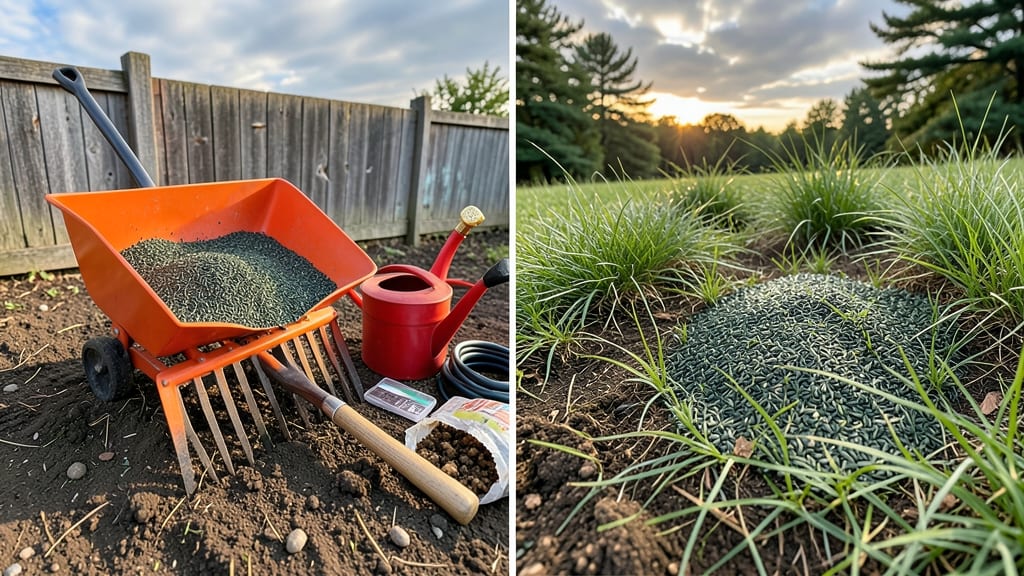
Timing your grass planting in Maryland right is the difference between a lush, green lawn and a patchy, frustrating mess. If you plant too early or too late, you risk wasted seed, slow germination, or even disease—all because the soil wasn’t ready.
Maryland’s 7a-7b climate gives you two prime windows: early spring and early fall, but getting the exact dates wrong can cost you months of growth.
Most gardeners assume "spring" means anytime after the last frost, but that’s not the case. The key is soil temperature—60°F to 75°F is ideal for grass seed to sprout and establish roots.
In Maryland, that usually means waiting until mid-April for spring planting, or locking in by late September for fall. Miss these windows, and you’ll end up fighting weeds or dealing with weak grass that struggles to recover.
I’ve seen firsthand how cool-season grasses (like tall fescue) thrive when planted in these sweet spots, while warm-season varieties (like Bermuda) need even more precision. The good news?
With the right prep—testing soil pH, choosing the best seed for your zone, and avoiding common mistakes—you can turn your lawn into the envy of the neighborhood. Let’s break down exactly when (and how) to plant for maximum success.
Whether you’re starting from scratch or overseeding an existing lawn, the secrets to timing lie in Maryland’s frost dates, rainfall patterns, and even your local microclimate. Skip ahead, and I’ll show you how to match your planting schedule to your specific zone—so you can finally stop guessing and start growing.
Maryland grass planting deadlines by hardiness zone (soil temp & frost dates)
Maryland’s climate—spanning USDA zones 6b-7b—creates distinct windows for planting cool-season grasses (like Kentucky bluegrass) and warm-season grasses (like Bermuda). Timing matters because soil temperatures below 50°F or above 75°F can stall germination, while frost can kill tender seedlings. Let’s break down the critical deadlines by zone and season.
For spring planting, aim to sow seeds 4-6 weeks before the last frost date (typically mid-April in most of Maryland). This gives seedlings time to establish roots before summer heat arrives.
In fall, plant 6-8 weeks before the first frost (usually mid-November) to allow roots to grow before winter dormancy.
Soil temperature is your best guide: cool-season grasses germinate best at 50-65°F, while warm-season grasses need 65-75°F. Use a soil thermometer to check—if temps dip below these ranges, wait a week or two.
Here’s how Maryland’s three key regions (coastal, Piedmont, and western) differ in timing due to microclimates:
| Region | USDA Zone | Last Frost (Avg.) | First Frost (Avg.) | Best Soil Temp for Planting | Spring Planting Window | Fall Planting Window |
|---|---|---|---|---|---|---|
| Coastal (e.g., Annapolis, Ocean City) | 7b | April 1 | November 1 | 50-65°F | March 15–April 15 | September 1–October 15 |
| Piedmont (e.g., Baltimore, Frederick) | 7a-7b | April 10 | November 10 | 50-65°F | March 20–April 20 | September 10–October 10 |
| Western (e.g., Hagerstown, Cumberland) | 6b-7a | April 20 | November 5 | 50-65°F | April 1–May 1 | August 20–September 20 |
*Adjust dates 1-2 weeks earlier for inland areas or later for coastal zones.
If you’re planting warm-season grasses like Bermuda or Zoysia, wait until after Memorial Day (late May) when soil temps consistently stay above 65°F. These grasses struggle in cool soil and may rot if planted too early.
Pro tip: Maryland’s humidity and summer heat can dry out seeds quickly. After sowing, cover the area with straw mulch (¼ inch thick) to retain moisture and protect seedlings from birds. Remove the mulch once grass reaches 3 inches tall.
For overseeding an existing lawn, choose early fall (September) when weeds are dormant and soil moisture is ideal. This is the #1 recommended time for cool-season grasses in Maryland, as it gives roots time to establish before winter.
Missed the spring window? Don’t panic—fall planting is just as effective (if not better) for cool-season grasses. The key is consistent soil moisture and avoiding planting too close to frost. Aim to finish by October 15 in most zones.
🌱
Best grass types for Maryland’s climate & when to plant each
Maryland’s USDA zones 6b-7b offer ideal conditions for both cool-season and warm-season grasses, but each thrives in different planting windows. Choosing the right type—and planting it at the perfect time—can mean the difference between a thin, patchy lawn and a dense, vibrant carpet that stays green year-round.
For Maryland homeowners, the top three grass types—tall fescue, Kentucky bluegrass, and Bermuda grass—each have distinct planting schedules tailored to Maryland’s humid subtropical climate and variable frost dates. Let’s break down when to plant each for maximum success.
🌱 Tall fescue is Maryland’s most drought-tolerant and shade-adaptable grass, making it a favorite for Piedmont and coastal regions. Plant it in late summer to early fall (August–September) for deep root establishment before winter. This cool-season grass also tolerates spring planting (March–April), but fall is ideal for avoiding summer heat stress.
🌿 Kentucky bluegrass, prized for its soft texture and deep green color, thrives in Maryland’s humid climate but needs consistent moisture. Plant it in early spring (March–April) or early fall (September–October). Avoid late summer planting—high heat and humidity can stress seedlings and lead to fungal diseases like brown patch.
☀️ Bermuda grass, a warm-season grass, dominates Maryland’s southern counties (e.g., Calvert, Charles) and excels in full sun. Plant it in late spring to early summer (May–June) when soil temps hit 65–75°F. Unlike cool-season grasses, Bermuda goes dormant in winter, so don’t plant it in fall—it won’t survive Maryland’s frosts.
| Grass Type | Best Planting Window | Maryland Regions | Key Care Notes |
|---|---|---|---|
| Tall Fescue | Late Summer–Early Fall (Aug–Sep) | Piedmont, Coastal | Drought-tolerant; mow high (3–4") |
| Kentucky Bluegrass | Early Spring (Mar–Apr) or Early Fall (Sep–Oct) | Statewide (best in humid areas) | Needs consistent water; prone to thatch |
| Bermuda Grass | Late Spring–Early Summer (May–Jun) | Southern counties (Calvert, Charles) | Goes dormant in winter; needs full sun |
Pro tip: If you’re overseeding an existing lawn, aim for September—cool temps and increasing rainfall create perfect conditions for seed-to-soil contact. For new lawns, spring planting (March–April) gives grass a head start before summer’s heat, while fall planting (September–October) avoids early-season weeds and pests.
Remember, Maryland’s microclimates vary. Coastal areas like Annapolis stay milder longer, while inland zones like Frederick experience earlier frosts. Always check your last frost date (April 15) and first frost date (November 15) to adjust planting timelines accordingly.
With the right grass type and timing, your Maryland lawn will be the envy of the neighborhood! ✂️