
Plants
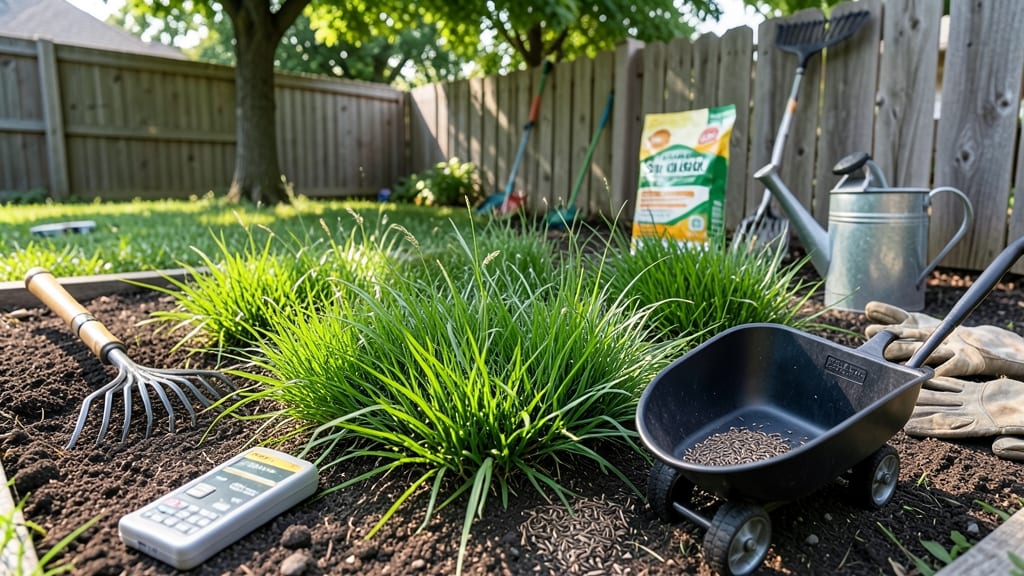
Planting your grass at the wrong time in Northeast Ohio could leave you staring at a brown, patchy lawn all summer long.
The key to a vibrant, healthy lawn starts with knowing when to plant grass in Northeast Ohio—specifically in USDA Zones 5b-6a, where unpredictable spring frosts and early fall chills can derail even the best-laid plans.
Most gardeners in this region swear by early spring or early fall planting, but timing isn’t just about the calendar—it’s about soil temperatures, frost dates, and the type of grass you’re growing.
Cool-season grasses like Kentucky bluegrass and fescue thrive when planted 4-6 weeks before the last frost, while warm-season varieties like Bermuda need a different approach entirely. If you’ve ever wondered why your lawn took forever to fill in—or why it struggled to survive—chances are, the planting window was off.
In this guide, I’ll break down the exact frost-free timeline for your zone, so you can plant with confidence. You’ll learn how to prepare your soil, choose the right grass for your climate, and even extend your planting window with simple tricks.
No more guessing games—just a lush, green lawn that stands up to Northeast Ohio’s unpredictable weather.
Whether you’re seeding a new lawn or overseeding an existing one, getting the timing right makes all the difference. Let’s dive into the steps that’ll help your grass take root fast and stay strong all season long.
Northeast Ohio frost-free dates by Zone 5b-6a: your grass planting timeline
Northeast Ohio’s Zone 5b-6a climate creates a tight window for planting grass—just 4-6 weeks between the last frost and summer heat. Missing this window means weak roots or seedling failure.
The key is understanding your microclimate (urban areas warm faster than rural) and using historical frost data to calculate your exact planting dates.
For most of Northeast Ohio, the average last frost date falls between April 15 and May 10, while the first frost arrives between October 15 and October 30. However, these dates can shift by 1-2 weeks depending on elevation and proximity to Lake Erie.
Always plan to plant 4-6 weeks before the last frost or 6-8 weeks before the first frost for optimal success.
Here’s how to use this timeline for your lawn:
| Zone | Last Frost Date | First Frost Date | Ideal Planting Window | Soil Temp for Germination |
|---|---|---|---|---|
| 5b (e.g., Akron, Canton) | April 22 | October 20 | March 20–April 15 (spring) or Sept 1–Sept 20 (fall) | 55°F+ (13°C+) |
| 6a (e.g., Cleveland, Youngstown) | May 1 | October 15 | April 1–April 25 (spring) or Sept 15–Sept 30 (fall) | 50°F+ (10°C+) |
| Lake Erie Microclimate (e.g., Sandusky) | April 15 | October 5 | March 15–April 10 (spring) or Aug 25–Sept 15 (fall) | 55°F+ (13°C+) |
Note: Use a soil thermometer to confirm temperatures match your planting window.
Spring planting is riskier in Northeast Ohio because of late frosts, but it offers faster establishment before summer drought. Fall planting (late summer to early fall) is often preferred because cooler temps and consistent rainfall reduce stress on seedlings.
Aim to finish planting 6-8 weeks before the first frost—this gives roots time to establish before winter dormancy.
For extra safety, use the 10-day rule: Wait until the 10-day forecast shows no frost risk. This is especially critical for cool-season grasses like Kentucky Bluegrass, which can’t handle cold snaps after sprouting. Check the Ohio State University Extension or National Weather Service for localized updates.
Urban areas like Cleveland often experience heat islands, where soil warms faster. If you’re in a city, you can plant 1-2 weeks earlier than rural areas. Conversely, higher elevations (like parts of Geauga County) may need to wait 1 week longer for safe planting.
Always test your soil temperature with a thermometer—grass seeds need 50°F–60°F (10°C–15°C) to germinate.
Pro tip: If you’re planting in late April or early May, use a lightweight row cover or straw mulch to protect seedlings from unpredictable nighttime frosts. This buys you an extra 2-3 weeks of safe growth before summer heat arrives.
Remember, overseeding (planting new grass over existing) can be done later in the season, but full lawn establishment requires perfect timing. Mark your calendar for March 20–April 15 (spring) or September 1–September 20 (fall) to align with Northeast Ohio’s frost-free window.
🌱
Best grass seed types for Northeast Ohio’s climate: cool-season vs. warm-season
Northeast Ohio’s USDA Zones 5b-6a favor cool-season grasses like Kentucky Bluegrass and Tall Fescue, which thrive in the region’s chilly springs and autumns. These varieties establish roots quickly when soil temps hit 50-65°F, making them ideal for spring and fall planting.
Warm-season grasses like Bermuda or Zoysia struggle here—they need consistent summer heat and often go dormant in Ohio’s winters.
Cool-season grasses dominate because they stay green longer and handle Ohio’s unpredictable frosts better. For example, Tall Fescue tolerates shade and drought, while Kentucky Bluegrass spreads aggressively to fill bare spots. Warm-season options like Zoysia might work in southern Ohio microclimates, but they’re riskier for most of the region.
Here’s how to match your lawn’s needs to the right grass type based on sunlight, foot traffic, and maintenance preferences:
| Grass Type | Sun Needs | Shade Tolerance | Drought Resistance | Best For |
|---|---|---|---|---|
| Kentucky Bluegrass | Full sun to partial shade | Moderate | Low | High-traffic areas, lush appearance |
| Tall Fescue | Full sun to full shade | High | Moderate | Low-maintenance lawns, urban yards |
| Perennial Ryegrass | Full sun to partial shade | Low | Low | Fast germination, temporary cover |
| Zoysia (Warm-Season) | Full sun | Moderate | High | Southern Ohio only, drought-prone areas |
If you’re torn between Kentucky Bluegrass and Tall Fescue, consider your lawn’s foot traffic. Bluegrass recovers faster from wear but needs more water, while Fescue stays greener in shady spots and requires less mowing.
For new lawns, mix Tall Fescue (60%) with Kentucky Bluegrass (40%) to balance durability and beauty.
Warm-season grasses like Bermuda or Zoysia might tempt you if you love their deep green summer color, but they go brown and dormant by October in Ohio. Unless you’re in Zone 6a’s southern edge (e.g., near Akron or Canton), stick to cool-season blends for year-round reliability.
Pro tip: Check your local Ohio State University Extension office for soil-test results before choosing seeds. A pH of 6.0-7.0 suits most cool-season grasses, but Tall Fescue thrives even in slightly acidic soil. Adjust lime or sulfur based on their recommendations to give your grass the perfect foundation.