
Plants
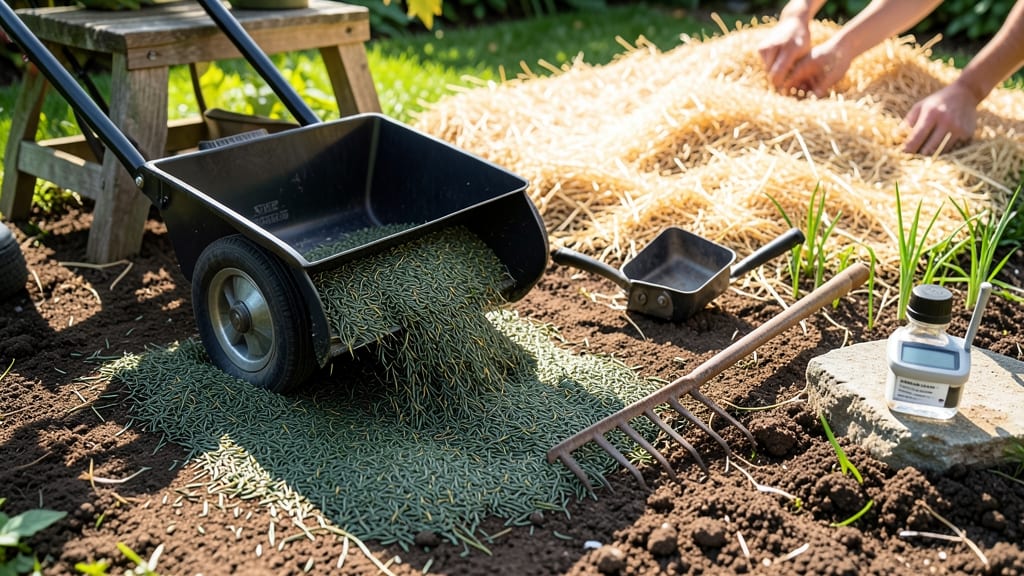
Planting grass seed in Maryland at the wrong time can leave you staring at bare patches for months—but timing it right means a lush lawn in just 2-4 weeks. Maryland’s Zone 7a-8a climate gives you two perfect windows: early spring (March-April) and late summer/early fall (August-September).
Skip the heat of July or the chill of November, and you’ll outsmart Mother Nature’s mood swings.
Why does timing matter so much? Cool-season grasses like tall fescue thrive when soil temps hover around 60-75°F, while warm-season types need 80°F+ to germinate. Maryland’s humidity adds another layer—too much rain or heat can drown or bake your seeds before they sprout.
I’ll break down the science behind these windows so you can plant with confidence, not guesswork.
You might think spring is the only option, but fall planting actually gives your grass a head start—cooler temps reduce weed competition, and roots establish deeper before winter. Plus, fewer pests mean healthier growth from day one.
Let’s dive into the exact months, soil prep, and watering tricks to turn your patchy lawn into the green envy of your neighborhood.
Ready to skip the trial-and-error? I’ll walk you through Maryland-specific grass types, soil tests, and even how to tell when your seeds are finally ready to mow. No more second-guessing—just a lawn that looks like it belongs in a postcard.
Best months to plant grass seed in Maryland’s Zone 8 climate
Maryland’s Zone 8 climate creates a unique window for planting grass seed—one that avoids the scorching summer heat and late-season frost risks. The ideal planting months are March-April (early spring) and August-September (late summer/early fall), when soil temperatures and rainfall align perfectly for germination.
Cool-season grasses like tall fescue and Kentucky bluegrass thrive when planted in early fall, while warm-season varieties such as Bermuda and zoysia prefer the late summer heat.
Maryland’s humid subtropical climate means summer planting can be tricky—too hot, and seeds dry out; too late, and frost arrives before roots establish.
Here’s the science-backed breakdown of Maryland’s planting windows, including soil temperature ranges and seasonal risks:
| Season | Best Months | Soil Temp Range (°F) | Key Considerations |
|---|---|---|---|
| Early Spring | March–April | 50–65°F | Avoid late frosts; ideal for cool-season grasses. |
| Late Summer/Early Fall | August–September | 70–80°F | Best for warm-season grasses; cooler temps reduce stress. |
| Avoid | May–July | 85°F+ | High heat dries out seeds; fungal risks spike. |
| Avoid | October–February | Below 50°F | Frost or dormancy prevents germination. |
Maryland’s microclimates add another layer—coastal areas (like Annapolis) stay milder longer, while inland zones (like Frederick) experience sharper temperature swings. For coastal regions, you can push planting into early October, while inland areas should aim for mid-September to avoid early frost.
If you’re planting in spring, time it for after the last frost date (typically mid-April in Maryland). Use a soil thermometer to confirm temps are above 50°F—this ensures seeds won’t sit dormant in cold soil.
For fall planting, shoot for 6–8 weeks before the first frost (usually mid-November) to allow roots to establish before winter.
Pro tip: Test your soil’s pH (ideal range: 6.0–7.0) before planting. Maryland’s clay-heavy soils often need compost or lime to improve drainage and nutrient uptake. A simple soil test kit (available at garden centers) takes the guesswork out of prep.
Once you’ve nailed the timing, watering consistency becomes critical. Maryland’s humidity can create fungal risks if seeds stay too wet, but drought stress is just as deadly. Aim for 1 inch of water weekly (deep soaks in the morning) to keep soil moist but not soggy.
For shady lawns (common in Maryland’s wooded areas), opt for tall fescue blends or fine fescue, which tolerate 4–6 hours of sun. These varieties can be planted 1–2 weeks later than full-sun grasses, as they germinate slower in cooler, shaded conditions.
Remember: Seed quality matters. Choose Maryland-specific blends labeled for your region—these are bred to handle humidity, heat, and pests common in the state. Brands like Jonathan Green or Scotts Turf Builder offer pre-mixed options tailored to Zone 8.
With the right timing and prep, your Maryland lawn can go from bare spots to lush green in just 3–4 weeks—no patchy disappointments in sight! 🌱
Best months to plant grass seed in Maryland’s Zone 8 climate
Maryland’s Zone 8 climate creates two perfect windows for planting grass seed: early spring and late summer/early fall. These periods align with soil temperatures that encourage rapid germination while avoiding extreme heat or frost.
For cool-season grasses like tall fescue, aim for March to April when soil warms to 50-65°F. Warm-season grasses such as Bermuda thrive when planted in August to September, as temperatures drop below 85°F.
Timing matters because Maryland’s humidity and summer heat can stress young seedlings. Planting in spring lets grass establish roots before summer’s intensity, while fall planting gives seeds time to grow before winter dormancy.
Avoid planting in June or July, when temperatures often exceed 90°F, causing seeds to dry out or fail to sprout.
| Season | Ideal Months | Soil Temp (°F) | Grass Type |
|---|---|---|---|
| Early Spring | March-April | 50-65°F | Cool-season (tall fescue, Kentucky bluegrass) |
| Late Summer | August-September | 65-75°F | Warm-season (Bermuda, zoysia) |
| Avoid | June-July | Above 85°F | All types (high stress) |
Maryland’s microclimates add another layer of complexity. Coastal areas like Annapolis stay cooler longer, extending the spring planting window by 2-3 weeks. Inland regions like Frederick may experience earlier heat, so adjust planting dates 1-2 weeks earlier to avoid summer stress.
Always check your local USDA Plant Hardiness Zone for precise guidance.
For fastest germination, plant when daytime highs are 75°F or lower and nighttime lows stay above 50°F. Use a soil thermometer to confirm temperatures—this small tool ensures you’re planting at the ideal time.
Maryland’s spring rains can also work in your favor, but avoid planting during prolonged downpours, which can wash seeds away or create waterlogged soil.
If you miss the ideal windows, don’t panic! Fall planting (October) can still work for cool-season grasses, but germination may slow as temperatures drop. For warm-season grasses, late August is the absolute latest you should plant to allow roots to establish before winter.
Always prioritize soil preparation—loosen compacted soil and remove weeds—to give seeds the best chance of success.
Pro tip: Mark your calendar for mid-March and early September as your target dates. These times align with Maryland’s climate to give your grass seed the best shot at thriving without battling extreme conditions. With the right timing, you’ll see lush, green growth in just 2-3 weeks! 🌱