
Plants
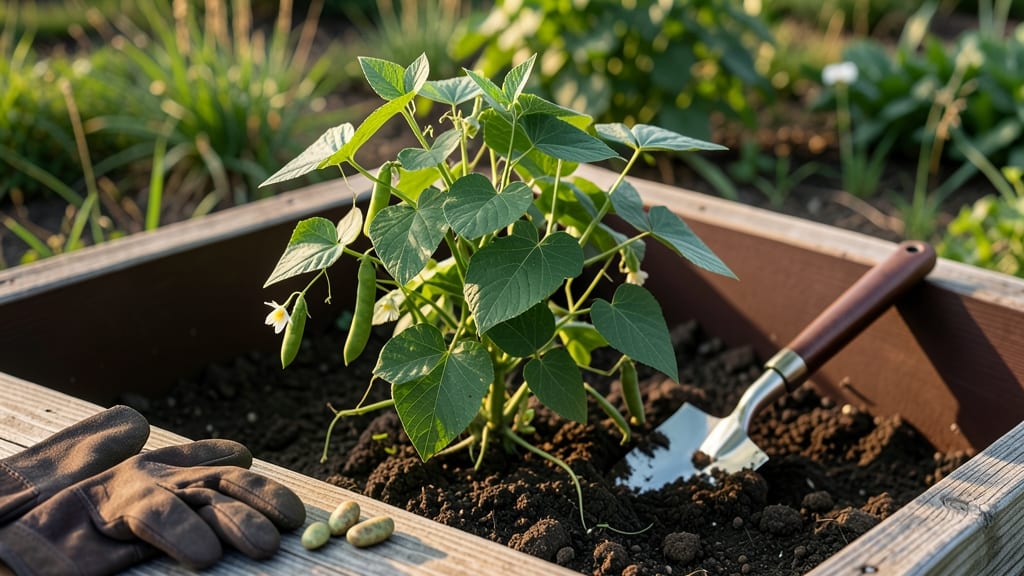
Planting green beans 🌱 in Zone 8b isn’t just about sticking seeds in the ground—it’s about catching that narrow window between frost risk and summer’s scorching heat. Get the timing wrong, and you’ll either lose your plants to cold snaps or watch them wilt under midday sun.
The good news? With the right schedule, you can enjoy a steady harvest from June through November without the guesswork.
Most gardeners in Zone 8b focus on two ideal planting windows: spring (March–April) and fall (August–September). But here’s the catch: soil temperature matters just as much as calendar dates.
Your beans need warm soil—at least 60°F—to sprout properly, which means waiting for late frosts to pass (usually after February 15). I’ll show you exactly how to align your planting with Zone 8b’s microclimates, whether you’re near the coast or inland.
Why does this matter? Because green beans are finicky about heat and moisture. Plant too early, and you’ll deal with stunted growth or frost damage. Too late, and pests like bean beetles move in.
The key is succession planting—staggering your seeds every two weeks—to keep pods coming all season long. Let’s break down the exact steps to turn your garden into a green bean powerhouse, no matter where you are in Zone 8b.
Ready to ditch the trial-and-error? I’ll walk you through the best varieties for your climate, how to prep your soil, and even when to fertilize for maximum yield.
By the end, you’ll know not just when to plant, but how to set yourself up for a harvest that’ll make your neighbors jealous.
Zone 8b green bean planting calendar: exact months & temperature guidelines
In Zone 8b, green beans need precise timing to avoid frost damage and summer heat stress. The ideal planting window is March to April for spring crops and August to September for fall harvests. Soil temperatures must stay above 60°F for seeds to germinate properly.
Zone 8b’s last frost date typically falls around February 15, but microclimates (like coastal areas) may warm earlier. Always wait until soil reaches 60°F—use a soil thermometer to confirm. For heat-tolerant varieties like 'Blue Lake' or 'Contender,' you can push planting to early May.
Fall planting in August-September gives beans time to mature before first frost (December 1). Choose short-season varieties (50–60 days) like 'Blue Lake Bush' or 'Kentucky Wonder' for reliable harvests. Avoid planting after September 15—beans won’t mature before cold snaps.
Here’s your Zone 8b green bean planting schedule broken down by season, including soil temp requirements and frost risk:
| Season | Planting Window | Soil Temp Requirement | Frost Risk | Best Varieties |
|---|---|---|---|---|
| Spring | March–April | 60°F+ | Low (after Feb 15) | Blue Lake, Contender, Tendercrop |
| Late Spring | Early May | 65°F+ | None | Heat-tolerant: 'Hystyle', 'Dry Bean' |
| Fall | August–September | 60°F+ | Moderate (after Sept 15) | Kentucky Wonder, Blue Lake Bush |
For succession planting, sow seeds every 2 weeks in spring (March–May) to extend harvests. In fall, plant August 1–15 for early October harvests. Use black plastic mulch to warm soil faster in early spring or shade cloth in summer to protect from heat stress.
If you’re in a coastal Zone 8b area (e.g., San Diego), you can plant as early as February—cooler ocean breezes delay soil warming. Inland areas (e.g., Phoenix) may need to wait until April for consistent soil temps. Always monitor 7-day forecasts for unexpected cold snaps.
Pro tip: Test your soil’s moisture retention before planting. Green beans wilt quickly in dry conditions, so amend clay soil with compost or sand. Aim for 1–2 inches of water per week, delivered in the morning to prevent fungal diseases like rust.
Remember: Pole beans (60–80 days to maturity) need more time than bush beans (50–60 days). Adjust planting dates accordingly—pole beans are better suited for spring in Zone 8b, while bush beans can handle fall plantings.
🌱
5 Critical factors that determine your green bean planting success in Zone 8b
Zone 8b’s mild winters and hot summers create unique challenges for growing green beans. Unlike cooler zones, your timing must account for soil warmth, afternoon heat, and pest pressure. Here are the 5 game-changing factors that separate a bountiful harvest from a failed attempt.
First, soil temperature is non-negotiable. Green beans won’t germinate below 60°F, so use a soil thermometer to confirm readiness.
In Zone 8b, this typically means late March to early April for spring plantings. Cooler microclimates (like coastal areas) may wait until mid-April, while inland spots can start 2 weeks earlier.
🌱 Critical Factors for Zone 8b Green Bean Success
- Soil Temperature: Wait until 60°F+ (late March–early April). Use a soil thermometer to avoid guesswork.
- Afternoon Heat: Choose heat-tolerant varieties (e.g., 'Blue Lake' or 'Contender') to survive Zone 8b’s 90°F+ afternoons.
- Companion Planting: Pair with marigolds (pest deterrent) or basil (improves flavor). Avoid planting near onions or garlic.
- Succession Planting: Sow every 2–3 weeks from April to July for continuous harvests. Stop by mid-August to avoid summer pests.
- Row Covers: Use floating row covers in early spring or late fall to extend the season by 2–3 weeks without risking frost.
Second, afternoon heat can turn your garden into a bean-killer.
Zone 8b’s summers often hit 90°F+, and green beans bolt (flower prematurely) when stressed. Heat-tolerant varieties like 'Blue Lake' or 'Contender' handle these conditions better than standard types. Provide afternoon shade with row covers or lightweight shade cloth if temperatures exceed 85°F for more than 3 days.
Third, companion planting can double your yields by naturally repelling pests. Marigolds deter bean beetles, while basil improves flavor and keeps mosquitoes away. Avoid planting near onions, garlic, or potatoes, as they compete for nutrients and attract similar pests.
For pole beans, plant near corn or sunflowers to create a natural trellis.
Fourth, succession planting is your secret weapon for non-stop harvests. Instead of one big planting, sow seeds every 2–3 weeks from April to July.
This ensures you’re always 60 days from harvest (the average maturity for bush beans). Stop by mid-August, though, as summer pests like Mexican bean beetles become relentless. For fall plantings, aim for late August to harvest before first frost (Dec 1).
Finally, row covers are a Zone 8b gardener’s best friend. Use floating row covers to extend your season by 2–3 weeks in early spring or late fall.
They protect against frost, repel pests, and retain soil moisture—all while letting 60% of sunlight through. Remove covers when flowers appear to allow pollination.
By mastering these 5 factors, you’ll turn Zone 8b’s challenging climate into your green bean goldmine. Start with soil temperature, then layer in heat tolerance, companions, succession, and row covers—and watch your harvests soar! 🌱