
Plants
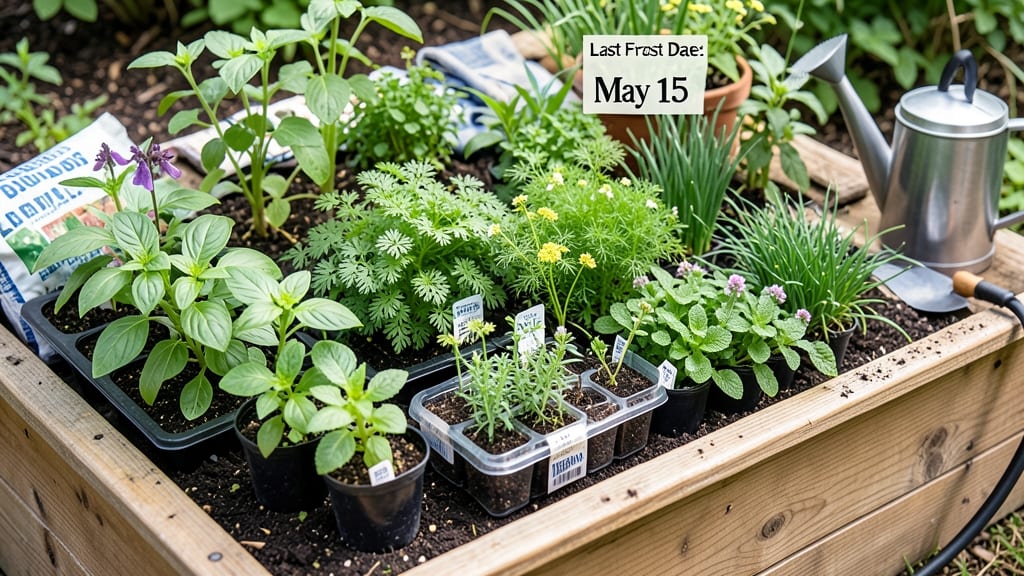
Timing your herb planting in Chicago can mean the difference between a thriving 🌿 garden and a sad, frost-killed disappointment. With the city’s infamous late frosts, knowing when to plant herbs in Chicago is the key to unlocking bold flavors and lush growth all season long.
Most gardeners in USDA Zone 5b-6a wait until after the last frost date—typically between April 15 and May 15—but the real secret lies in understanding your herbs’ specific needs. Basil, for example, hates cold soil, while hardy parsley can handle cooler temperatures.
If you’re eager to get started, fall planting (August 1–September 1) offers a second chance for a late harvest. Whether you’re growing in containers or in-ground, these windows maximize your chances of success—no more guessing games about when to plant.
Let’s break down the exact timing, microclimate tips, and how to protect your herbs from Chicago’s unpredictable weather. Your kitchen’s future flavor depends on it!
Chicago’s frost dates for herbs: exact planting windows by type
Timing your herb garden in Chicago is all about beating the last frost date—typically around April 15—while accounting for USDA Zone 5b-6a variations. Annual herbs like basil and cilantro need warm soil, while perennials like thyme and rosemary are more frost-tolerant.
Let’s break down the ideal planting windows to maximize your harvest.
For spring planting, wait until soil temperatures hit 50°F (10°C)—usually mid-to-late April—to avoid frost damage. Fall planting works too, aiming for August 1 to September 1 so herbs mature before the first frost (around October 15).
Container herbs offer flexibility, letting you move them indoors if frost threatens.
Here’s a quick reference for herb-specific timing based on Chicago’s climate:
| Herb Type | Spring Planting Window | Fall Planting Window | Frost Sensitivity |
|---|---|---|---|
| Annuals (Basil, Cilantro, Dill) | May 1–15 (after last frost) | August 1–15 (6–8 weeks before frost) | High |
| Biennials (Parsley, Chives) | April 15–May 1 (soil 50°F+) | August 15–September 1 | Medium |
| Perennials (Thyme, Rosemary, Oregano) | April 1–May 1 (hardy to 20°F) | August 1–September 15 | Low |
Chicago’s microclimates add another layer—urban areas like Downtown may warm up faster than suburbs like Naperville. Use a soil thermometer to confirm readiness, especially for heat-loving herbs like basil, which bolts if stressed by cold.
For container gardening, start indoor seedlings 4–6 weeks before the last frost (by March 15) to transplant outdoors after May 1. This head start gives tender herbs a fighting chance against late spring frosts, which Chicago is infamous for.
Pro tip: Succession planting every 2–3 weeks after your initial window ensures a steady supply of fresh herbs. For example, plant cilantro in May, then again in June—it bolts in heat but thrives in cooler weather.
If you’re unsure about your last frost date, check the National Weather Service or local Cooperative Extension reports. Chicago’s frost-free season averages 160 days, but urban heat islands can extend it slightly.
Remember, herbs like basil need consistent warmth (above 55°F) to thrive, while parsley and chives tolerate cooler temps. Adjust your planting timeline based on the herb’s hardiness and your garden’s exposure.
By following these Chicago-specific windows, you’ll avoid the heartbreak of frost-killed seedlings and enjoy fresh herbs from June through October—or even longer with fall plantings!
How to extend your herb growing season in Chicago’s climate
Chicago’s short growing season means you can’t rely on just one planting window—you’ll need smart strategies to keep your herbs thriving from spring to fall. Succession planting is my top trick: instead of one big harvest, I stagger plantings every 2-3 weeks from May through July.
This ensures fresh basil, cilantro, and dill all summer long, even if Mother Nature throws a late frost your way.
For hardy perennials like thyme and oregano, focus on fall planting (August-September). These tough herbs handle Chicago’s early October frosts better than annuals, and their roots establish before winter.
I’ve had rosemary survive Zone 5b winters with just a thick layer of mulch—proof that timing and prep matter more than you’d think!
🌿
Don’t overlook microclimates—your south-facing balcony might stay 10°F warmer than your north-side yard. I use this to my advantage by planting heat-lovers (basil, dill) in containers on my roof deck, while cool-season herbs (parsley, chives) thrive in-ground. It’s like having two gardens in one!
For late-summer herbs, try succession sowing every 10 days in August. This gives you fresh dill and cilantro right up until first frost. Pro tip: Use shade cloth (30-50%) to protect seedlings from intense July sun while they establish.
🌱