
Plants
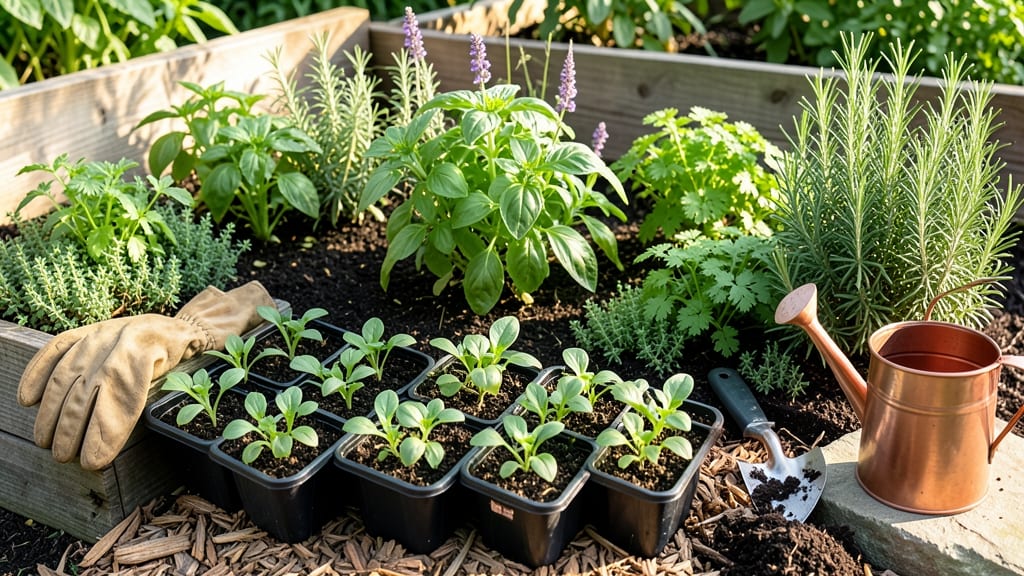
If you’ve ever planted herbs 🌿 in Florida only to watch them bolt or wilt before you could even snip a sprig, you’re not alone. The Sunshine State’s unique microclimates—from steamy coastal zones to slightly cooler inland areas—mean that timing is everything when it comes to growing flavorful, productive herbs.
Unlike northern gardens with strict frost dates, Florida’s year-round growing season can be both a blessing and a curse. Plant basil in the peak of summer, and you’ll get bitter leaves in days.
Start cilantro in the heat, and it’ll flower before you can say “pesto.” The key? Understanding how to work with Florida’s climate—not against it—to keep your herbs thriving when they’re supposed to.
In this guide, I’ll break down the best months to plant each herb based on your exact location in Florida, whether you’re in the humid Panhandle or the tropical Keys.
You’ll learn which herbs love the heat, which prefer cooler snaps, and how to stretch your growing season with simple tricks like shade cloth or container gardening.
Ready to grow herbs that taste as fresh as the day you planted them? Let’s dive into the perfect timing for zero-bolt success—no guesswork, just flavorful harvests all year long.
Florida’s herb planting zones: when to start seeds vs. transplants by microclimate
Florida’s three distinct microclimates—North, Central, and South—create wildly different conditions for growing herbs. In North Florida (Zones 8a-8b), cooler winters mean you can grow cool-season herbs like cilantro and parsley, while South Florida (Zones 10a-11) lets you plant warm-season herbs like basil year-round.
Central Florida (Zone 9a) falls somewhere in between, offering a longer growing window but requiring careful timing to avoid bolting.
Understanding these zones helps you decide whether to start seeds indoors or transplant mature plants. For example, basil should never be planted in North Florida’s cool months—it’ll bolt or die—but it thrives in South Florida’s warm winters.
Meanwhile, rosemary and thyme, which are drought-tolerant perennials, can handle North Florida’s mild winters if planted in well-draining soil.
Below is a microclimate-specific comparison of when to start seeds vs. transplant herbs in Florida. Use this as your planting roadmap to avoid bitter, bolting herbs and maximize flavorful harvests.
For North Florida, focus on seed starting indoors in February to give herbs a head start before the hot summer months. Transplant cool-season herbs like cilantro and parsley in March, then switch to warm-season herbs like basil and dill in September.
The key is avoiding June–August, when temperatures often exceed 90°F, causing herbs to bolt or wilt.
In Central Florida, you’ve got more flexibility. Start seeds indoors year-round for herbs like basil and oregano, but transplant outdoors in February–May or September–November.
The peak summer heat (June–August) is still challenging, so use shade cloth or container gardening to protect delicate varieties. Rosemary and thyme, however, thrive in the heat and can be planted anytime.
If you’re in South Florida, congratulations—you can grow herbs year-round!
That said, June–September brings intense humidity and heat, so provide afternoon shade for herbs like basil and cilantro. Heat-tolerant varieties such as Thai basil, Mexican oregano, and lemongrass will reward you with bold flavors even in the hottest months.
One critical mistake Florida gardeners make is ignoring soil temperature. Herbs like basil won’t germinate well in cold soil, so wait until soil temps reach 70°F+ before
How to avoid bolting: heat-tolerant herb varieties and shade strategies for Florida summers
Florida’s summer heat can turn your fresh herbs into bitter, flowering stalks faster than you can say "pesto night." Bolting—when herbs prematurely flower—happens when plants sense heat stress or long days.
But with the right heat-tolerant varieties and shade strategies, you can keep your herbs thriving all season long.
Start by choosing heat-resistant herbs like Thai basil, Mexican oregano, and lemon verbena. These varieties handle Florida’s 90°F+ temperatures better than traditional types. Pair them with shade cloth (30-50%) during peak afternoon sun (12 PM–4 PM) to lower leaf temperatures by 10-15°F and delay bolting.
- Morning harvests – Pick leaves early to reduce stress on plants.
- Drip irrigation – Keeps roots cool and soil moist without wetting foliage.
- Reflective mulch – Use white gravel or aluminum foil around containers to bounce back sunlight.
For container gardening, opt for self-watering pots filled with cactus/succulent mix (which drains faster and stays cooler).
Place containers on elevated stands or drip trays to improve airflow. Rosemary and thyme are perfect for containers—they thrive in full sun and drought-like conditions, making them ideal for Florida’s dry spells.
If you’re growing cool-season herbs like cilantro or parsley, treat them like annuals in summer. Sow new seeds every 2-3 weeks in partial shade (e.g., under a 40% shade cloth) to enjoy fresh harvests without bolting.
These herbs prefer 60-70°F temps—any hotter, and they’ll bolt within 2-3 weeks.
Pro tip: Watch for yellowing leaves or tall, leggy stems—these are early signs of heat stress. Prune aggressively to encourage bushier growth and reduce bolting. For mint, which loves Florida’s humidity, harvest stems regularly to keep the plant compact and prevent it from taking over your garden.
With these heat-smart strategies, you’ll enjoy flavorful, bolting-free herbs from spring through fall—no more sad, bitter basil or fledgling cilantro! 🌿