
Plants
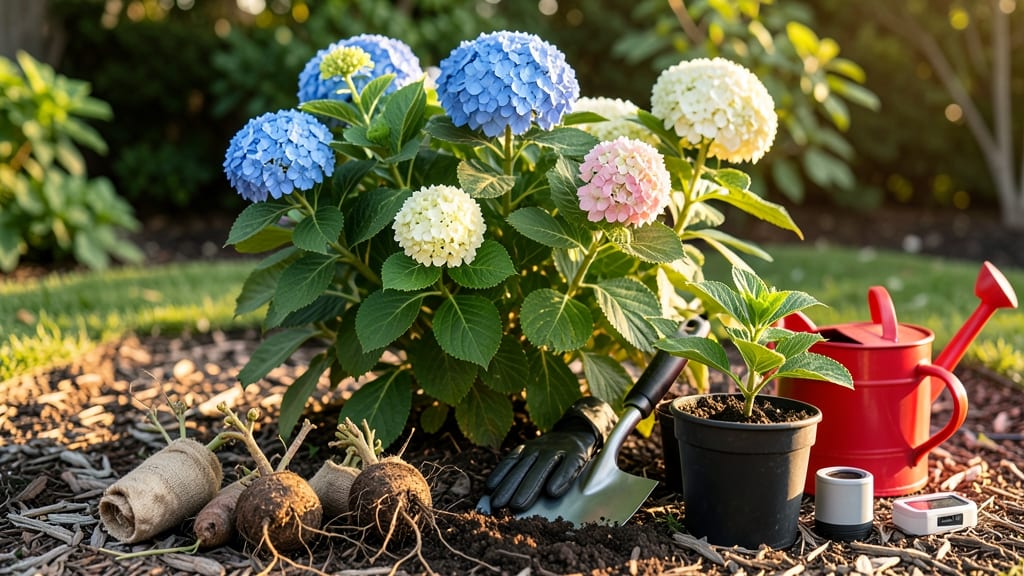
Timing your Hydrangea planting in Arkansas could mean the difference between vibrant blooms and struggling shrubs. With USDA zones 7a-8b and unpredictable spring weather, knowing when to plant is the key to success.
Most Arkansas gardeners plant their 🌸 hydrangeas in early spring—between March and May—when soil temperatures rise above 60°F. But there’s a second window in fall, from September to October, that works just as well for established plants.
Container planting gives you more flexibility, letting you adjust timing based on frost warnings, while in-ground plants need that perfect balance of warm soil and cool air. Let’s break down the best months for your zone and how to prepare your soil for these beautiful shrubs.
Whether you’re a first-time gardener or a seasoned pro, these tips will help you plant your hydrangeas at the ideal time for Arkansas’ climate. Ready to transform your garden with stunning blooms? Let’s get started.
Arkansas hydrangea planting calendar by hardiness Zones (5a-8a)
Arkansas spans USDA Zones 5a through 8a, meaning your hydrangea planting window varies by region. In Zone 5a (northern Arkansas), late frosts linger until mid-April, while Zone 8a (southern Arkansas) sees last frosts by mid-March.
Timing matters—plant too early, and frost will damage tender roots; too late, and your hydrangea won’t establish before summer’s heat. Let’s break it down by zone and variety.
For bigleaf hydrangeas (like 'Endless Summer'), aim for March 15–April 30 in most of Arkansas. Panicle hydrangeas (e.g., 'Limelight') are more frost-tolerant, so you can plant as early as February 28 in Zones 7a–8a. Oakleaf hydrangeas (like 'Snow Queen') thrive with April 15–May 15 planting—they handle Arkansas’s humidity better once established.
Soil temperature is key: hydrangeas need 60°F+ soil to root successfully. Use a soil thermometer to check—if it’s colder, wait. In Zone 5a, delay planting until after May 1 to avoid late frosts. For container planting, you can push these dates 2–3 weeks earlier since pots warm faster.
🌸
Fall planting is another option in Arkansas, especially for Zone 7a and warmer. Aim for September 15–October 15—hydrangeas can establish roots before winter dormancy. Just ensure the ground isn’t frozen, and protect young plants with mulch (3–4 inches) to insulate roots.
If you’re in Zone 5a, consider container growing for flexibility. Pots let you move hydrangeas to sheltered spots during late frosts. Use well-draining mix (50% potting soil, 30% perlite, 20% compost) to prevent root rot—a common issue in Arkansas’s humid summers.
For bigleaf hydrangeas, which are less frost-hardy, delay planting until after May 1 in northern Arkansas. These varieties need consistent moisture to set buds for next year’s blooms. In contrast, panicle hydrangeas bloom on new wood, so they’re more forgiving if planted slightly late.
💧
Remember: Arkansas’s humidity and heat can stress hydrangeas if planted too late. By mid-June, the ground is often too hot for root establishment. If you miss the spring window, wait until fall—just ensure your hydrangea
How to extend hydrangea growing season in Arkansas’s unpredictable climate
Arkansas’s unpredictable spring frosts and sweltering summer heat can wreak havoc on young hydrangeas. Even after planting at the right time, late frosts or sudden heatwaves can stunt growth or kill tender new shoots. The key? Proactive protection and smart adjustments to your planting strategy.
Whether you’re in Zone 5a’s colder north or Zone 8a’s milder south, these tactics will give your hydrangeas the best shot at thriving.
First, mulching is non-negotiable in Arkansas’s climate. A 3-inch layer of mulch (wood chips or shredded bark) insulates roots from temperature swings, retains moisture, and suppresses weeds. Apply mulch right after planting and refresh it annually.
For container-grown hydrangeas, use mulch in pots too—just avoid piling it against the stem to prevent rot. This simple step can mean the difference between a struggling plant and one that blooms reliably year after year.
🌱
🌿 5 Pro Tips to Protect Hydrangeas in Arkansas’s Climate
- 🌡️ Use frost cloths in late spring for Zone 5a-6a gardeners. Cover young plants when night temps drop below 32°F—even after the last frost date. Secure the cloth with bricks or stakes to prevent wind damage.
- ☀️ Provide afternoon shade during summer’s peak heat. A lightweight shade cloth (30-50%) or a nearby tree can lower soil and air temps by 10-15°F, reducing stress.
- 💧 Water deeply in mornings to beat the heat. Hydrangeas need 1-1.5 gallons per week in summer, but avoid evening watering to prevent fungal diseases like powdery mildew.
- 🪴 Choose containers for flexibility. Potted hydrangeas can be moved to shaded garages or porches during heatwaves or brought indoors before the first frost in Zone 5a.
- 🌧️ Prepare for humidity by spacing plants 3-5 feet apart to improve airflow. Prune dead or crowded branches in early spring to reduce disease risk.
If you’re planting in late spring (May-June), opt for heat-tolerant varieties like ‘Limelight’ or ‘Little Lime’ panicle hydrangeas, which handle Arkansas’s summers better than delicate bigleaf types.
For fall planting (September-October), focus on root establishment—water consistently and avoid heavy fertilizing, which can encourage tender new growth before winter.
For Zone 5a gardeners, consider microclimates. South-facing walls or elevated beds warm up faster in spring, giving hydrangeas a 2-3 week head start before the last frost.
In contrast, low-lying areas hold cold air longer, so plant there only if you’re prepared to protect with row covers until May.
Finally, monitor soil moisture closely during Arkansas’s humid summers. While hydrangeas love moisture, waterlogged soil leads to root rot. Amend heavy clay soils with compost or sand to improve drainage, and always plant in a slightly raised bed if your yard floods easily.
With these adjustments, your hydrangeas will bloom beautifully despite Arkansas’s wild weather.
☀️