
Plants
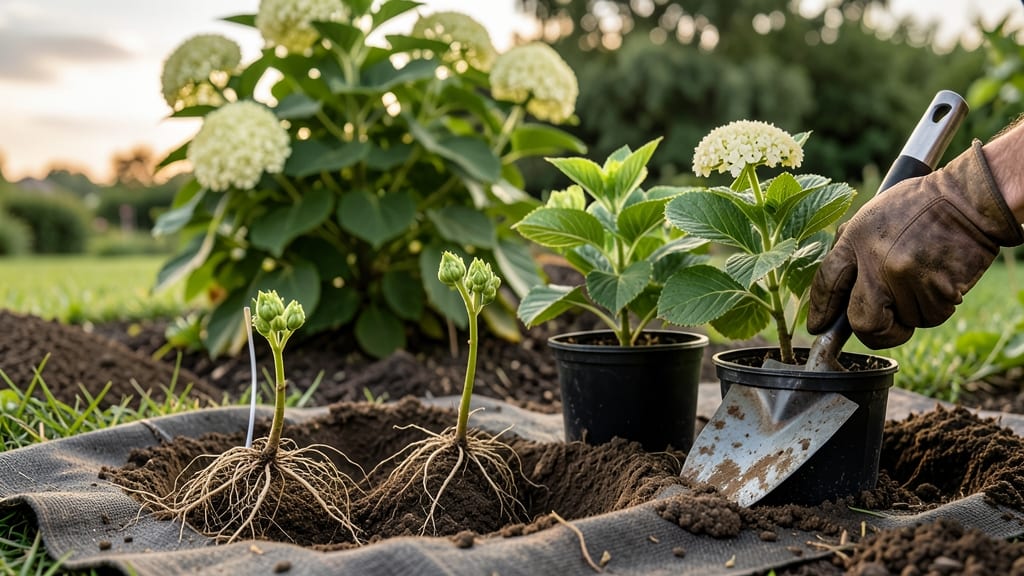
Timing your hydrangea planting just right in Indiana could mean the difference between show-stopping blooms and a sad, struggling shrub. With Indiana’s USDA Zone 5b-6b climate, knowing when to plant your 🌸 hydrangea ensures it survives frost and thrives in your garden.
Most gardeners assume spring is the only option, but fall planting offers a secret advantage: cooler soil and fewer transplanting stresses. I’ll break down the exact windows—April-May for spring and September-October for fall—so you can plant with confidence, whether you’re a beginner or a seasoned gardener.
Indiana’s unpredictable frost dates (average last frost: April 15) can throw off even the best-laid plans. I’ll share how to read your local microclimate and adjust planting times to protect your hydrangea’s roots, no matter where you are in the state.
Ready to avoid common mistakes and set your hydrangeas up for years of lush growth? Let’s dive into the step-by-step guide that’ll have your garden buzzing with color—without the guesswork.
Best planting windows for hydrangeas in Indiana’s USDA Zone 6
Indiana’s USDA Zone 6 climate creates a 160-day frost-free window, which is perfect for hydrangeas—but timing matters. Plant too early, and late frosts (around April 15) can damage tender roots.
Too late, and your shrubs won’t establish strong roots before winter. The key is aligning your planting with soil temperatures and bloom cycles.
For spring planting, aim for mid-April to early May when soil temperatures reach 50°F. This gives roots 6-8 weeks to establish before summer heat arrives. Fall planting is equally critical—target late September to early October, allowing roots to settle before first frost (around October 15).
Hydrangeas bloom on old wood (like bigleaf varieties) or new wood (like panicle types). Planting in spring ensures old-wood bloomers have time to set buds, while fall planting works for new-wood types. Oakleaf hydrangeas are the most flexible, handling both seasons.
🌱
| Planting Season | Best Months | Soil Temp | Key Considerations |
|---|---|---|---|
| Spring | Mid-April to Early May | 50°F+ | Avoid frost; water deeply after planting |
| Fall | Late September to Early October | 60°F+ | 6-8 weeks before first frost; mulch heavily |
| Old-Wood Bloomers | Spring Only | N/A | Plant in spring for summer blooms (e.g., 'Nikko Blue') |
| New-Wood Bloomers | Spring or Fall | N/A | Flexible timing (e.g., 'Limelight', 'Annabelle') |
Indiana’s microclimates add another layer. Northern Indiana (Zone 5b) has earlier frosts, so push spring planting to late April. Southern Indiana (Zone 6b) is more forgiving, allowing early April starts. Always check your local frost-free date—Indiana’s ranges from April 5 to May 1 depending on location.
For container-grown hydrangeas, you have slightly more flexibility. Plant 1-2 weeks earlier in spring or 2 weeks later in fall, as their roots adapt faster. However, bare-root hydrangeas demand precise timing—plant them as soon as soil is workable to prevent root desiccation.
After planting, mulch heavily (3-4 inches) to insulate roots. In spring, use straw mulch to retain moisture; in fall, switch to shredded leaves for insulation. This protects young roots from temperature swings common in Indiana’s transitional seasons.
🌿
Pro tip: Mark your calendar for Indiana’s average last frost (April 15) and first frost (October 15). Planting 4-6 weeks before either date gives hydrangeas the best chance to establish. For example, September 15 is ideal for fall planting in most of Indiana—just before soil cools too much.
Finally, avoid planting hydrangeas in summer (June-August). The intense heat and drought stress can shock roots, leading to poor establishment. If you must plant outside the ideal window, choose early spring (March) or late fall (November), but be prepared for slower growth.
Best planting windows for hydrangeas in Indiana’s USDA Zone 6
Indiana’s USDA Zone 6 climate creates a 160-day frost-free window—perfect for hydrangeas if you time it right. The average last frost date is April 15, while the first frost arrives around October 15.
These dates bookend your ideal planting windows: spring (April–May) or fall (September–October). Missing these windows risks stunted growth or winter damage.
Spring planting gives hydrangeas 6–8 weeks to establish roots before summer heat, while fall planting lets them root deeply before dormancy. Both strategies work, but fall planting often yields stronger first-year blooms because the plant focuses on roots instead of flowers.
Choose based on your local microclimate—warmer southern Indiana areas may extend fall planting into early November.
🌸
📅 Indiana Hydrangea Planting Timeline
| Season | Planting Window | Soil Temp Threshold | Key Consideration |
|---|---|---|---|
| Spring | April 15–May 15 | 50°F+ (10°C+) | Avoid late frosts; prioritize root establishment |
| Fall | September 15–October 15 | 60°F+ (15°C+) | Plant 6 weeks before first frost for root growth |
🌱 Pro Tip: For container-grown hydrangeas, you can plant 1–2 weeks later than bare-root varieties.
For bigleaf hydrangeas (like ‘Endless Summer’), aim for spring planting to avoid winter stress, while panicle hydrangeas (like ‘Limelight’) handle fall planting beautifully. Oakleaf varieties are the most frost-tolerant, making them ideal for Indiana’s late-spring frosts. Always check your specific variety’s hardiness—some tolerate Zone 5 conditions.
If you’re planting in northern Indiana (Zone 5b), err on the side of earlier spring planting to avoid late frosts. Southern Indiana gardeners (Zone 6b) can push fall planting into early November, but avoid planting after October 20—roots need time to harden off before winter.
Use mulch (3–4 inches) after planting to insulate roots from temperature swings.
🌿
After choosing your window, amend the soil with compost or peat moss to improve drainage—a critical factor for hydrangeas in Indiana’s clay-heavy soils. Test your soil’s pH level too: aim for 5.2–6.0 for blue blooms or 6.0–7.0 for pink.
Adjust with sulfur (for blue) or lime (for pink) before planting. These prep steps make the difference between thriving hydrangeas and struggling shrubs.