
Plants
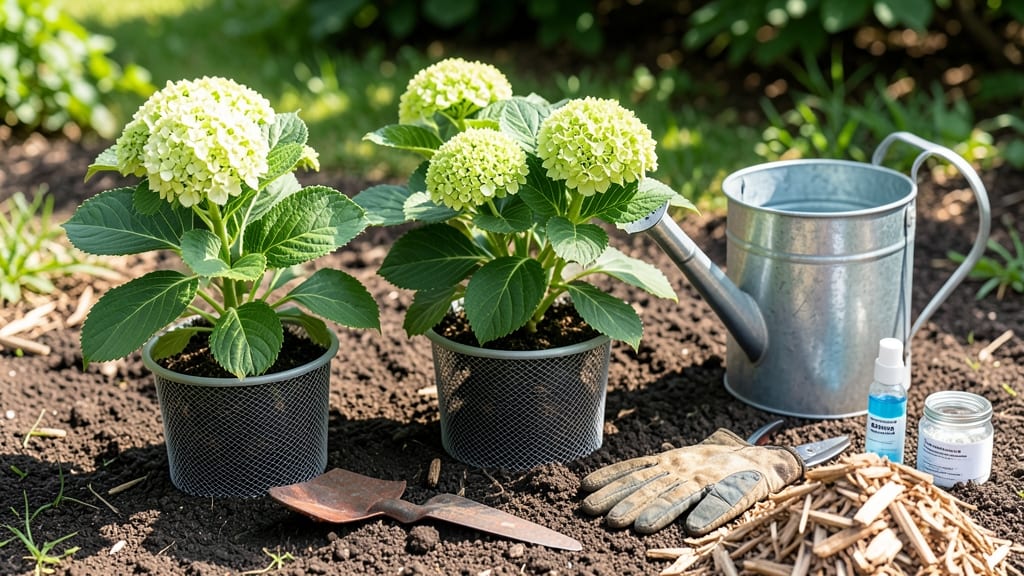
Timing your hydrangea planting in Ohio could mean the difference between showstopping blooms and a shrub that barely survives. With USDA Zone 6a weather that swings from icy springs to scorching summers, knowing exactly when to plant your 🌸 hydrangeas is critical.
Most gardeners assume spring is the only option, but fall planting actually gives your hydrangeas a head start. The ideal window opens in April through May after the last frost date—typically around April 15—but there's more to it than just picking a month.
Soil temperature, variety type, and even your yard's microclimate play a role.
Let me break down the exact science behind Ohio's planting schedule so you can avoid common mistakes. Whether you're working with bigleaf, panicle, or oakleaf varieties, this guide will help you choose between spring and fall planting—and why one might work better for your specific hydrangea type.
You'll also discover how to prep your soil, recognize the perfect planting conditions, and adjust for Ohio's unpredictable weather patterns. By the end, you'll have a clear, step-by-step plan to get your hydrangeas off to the best possible start—so you can enjoy those lush blooms all season long.
Ohio hydrangea planting calendar by hardiness zone (exact months for success)
Ohio’s USDA zones 5a-6b create a unique challenge for hydrangea lovers—too early, and a late frost zaps tender roots; too late, and your plant won’t establish before winter. The key is planting when soil temps hit 50°F (10°C) and stay there, which varies by zone.
For bigleaf hydrangeas (like Endless Summer), aim for April 15-May 15 in most of Ohio, while panicle varieties (like Limelight) can handle slightly cooler soil in early spring.
In Zone 5a (northeast Ohio), wait until after May 1 to avoid frost risk, while Zone 6b gardeners (southwest Ohio) can plant as early as mid-April. Fall planting is also an option—September 15-October 1—but requires careful timing to let roots establish before winter dormancy.
Let’s break down the exact windows for each zone and variety.
🌱 Pro Tip: Use a soil thermometer to confirm 50°F (10°C) before planting—this is your green light for success.
🌿 Ohio Hydrangea Planting Calendar
| Zone | Spring Planting Window | Fall Planting Window | Soil Temp Requirement | Best Varieties |
|---|---|---|---|---|
| 5a (Northeast Ohio) | May 1–May 15 | September 15–October 1 | 50°F (10°C) minimum | Annabelle, Oakleaf |
| 5b (Central Ohio) | April 20–May 10 | September 1–September 20 | 50°F (10°C) minimum | Endless Summer, Limelight |
| 6a (Southwest Ohio) | April 1–April 15 | September 10–October 10 | 45°F (7°C) minimum | Panicle, Smooth |
| 6b (Far Southwest Ohio) | March 20–April 10 | September 5–October 5 | 45°F (7°C) minimum | All varieties thrive |
⚠️ Note: Adjust for microclimates—urban areas may need 1-2 weeks later due to heat islands.
For container-grown hydrangeas, you have a 2-week buffer on either side of these windows since potted plants warm up faster. But bare-root hydrangeas must be planted immediately after purchase—they’re sensitive to drying out. Soak roots in water for 1-2 hours before planting to jumpstart establishment.
Ohio’s last average frost dates range from April 15 in Zone 6b to May 1 in Zone 5a, but don’t rely on averages. Use the National Weather Service’s frost calendar for your specific county—some years, late frosts hit as late as May 10.
Planting too soon means risking frost damage to new growth, which can set your hydrangea back a full season.
If you’re in Zone 5a and miss spring planting, don’t despair—fall planting in September works beautifully for hydrangeas. The key is ensuring roots have 4-6 weeks to establish before winter. Mulch heavily (3-4 inches) after planting to insulate roots and retain moisture.
For Zone 6b, fall planting can extend until October 10, giving you flexibility if spring slips by.
🌿 Variety-Specific Tip: Bigleaf hydrangeas (like Nikko Blue) are most frost-sensitive—wait until after May 1 in all but Zone 6b. Panicle hydrangeas (like Little Lime) are hardier and can handle cooler soil temps, making them ideal for early spring planting.
After planting, water deeply 2-3 times per week for the first month to encourage root growth. Avoid overhead watering, which can spread fungal diseases like powdery mildew—a common issue in Ohio’s humid summers. Instead, use a soaker hose or drip irrigation to deliver water directly to the root zone.
For urban gardeners, consider container planting—it gives you control over timing and soil conditions. Containers warm up faster in spring, so you can plant 2 weeks earlier than in-ground. Just ensure pots have drainage holes and use a well-draining potting mix to prevent soggy roots, which hydrangeas hate.
Finally, mark your calendar for early fall—this is when hydrangeas start sending out new root growth in preparation for dormancy. If you’re planting in fall, aim to finish by October 1 in
Fall vs. spring planting in Ohio: which works better for your hydrangea type?
Ohio’s variable climate makes choosing between spring and fall planting a critical decision for hydrangeas. While spring planting is the classic choice, fall planting offers unique advantages for Ohio gardeners—especially for root establishment before winter.
Let’s break down the pros, cons, and best practices for each season, tailored to Ohio’s USDA zones 5a-6b.
Most Ohio gardeners default to spring planting because it aligns with natural growth cycles. However, fall planting can give hydrangeas a head start on root development, reducing transplant shock when spring arrives. The key difference lies in soil temperatures and frost timing.
In Ohio, fall planting works best if you plant 6-8 weeks before the first frost (typically late September to early October), allowing roots to establish before winter dormancy.
For bigleaf hydrangeas (like Endless Summer), spring planting is ideal because they bloom on old wood and need established roots to support summer blooms.
Meanwhile, panicle and oakleaf varieties (like Limelight or Grandiflora) handle fall planting better because they bloom on new wood and can recover more easily from winter stress.
Spring Planting
- Pros: Aligns with natural growth cycle
- Pros: Avoids winter stress on new roots
- Pros: Ideal for old wood bloomers (bigleaf)
Fall Planting
- Pros: Gives roots 6-8 weeks to establish
- Pros: Better for new wood bloomers (panicle/oakleaf)
- Pros: Avoids summer heat stress during transplant
- Cons: Risk of late frost damage if planted too early
- Cons: Requires consistent watering during dry springs
- Cons: Must plant before first frost (late Sept-Oct)
- Cons: Winter dieback possible in zone 5a
If you choose fall planting, prioritize well-draining soil and mulch heavily (3-4 inches) to insulate roots. For spring planting, wait until after the last frost (mid-April in most of Ohio) and prepare the soil with compost to boost nutrient uptake.
Both methods work, but your hydrangea’s variety and Ohio microclimate will determine the winner.
Pro tip: Container-grown hydrangeas adapt better to fall planting because their roots are already established. If you’re unsure, spring planting is the safer bet for Ohio’s unpredictable winters. Just remember—water deeply after planting, whether in spring or fall, to reduce transplant shock.
For Ohio gardeners, the best approach might be a hybrid strategy: plant bigleaf varieties in spring and panicle/oakleaf in fall. This way, you maximize blooms year-round while accounting for Ohio’s climate quirks. 🌸