
Plants
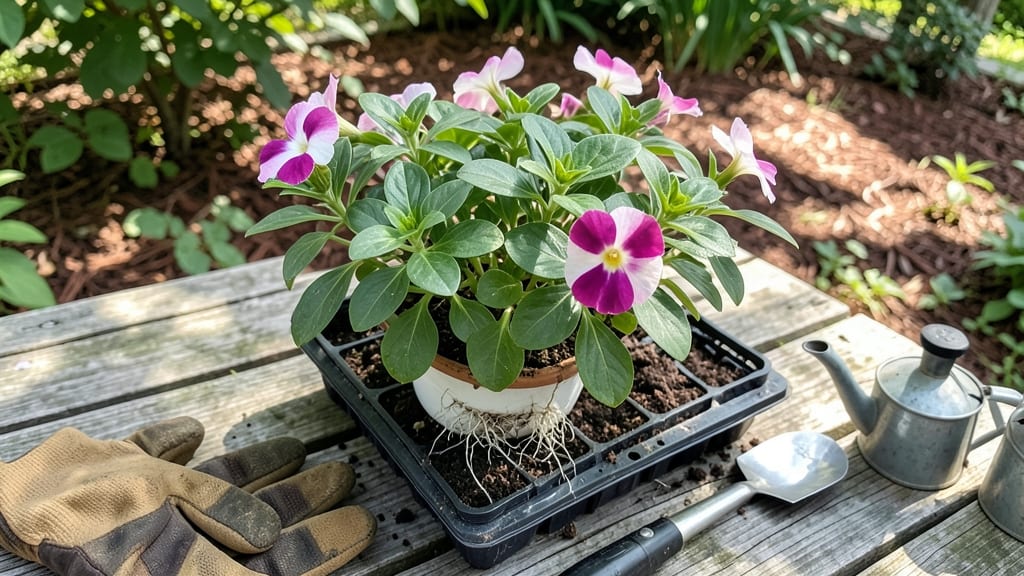
If you’ve ever planted your 🌸 Impatiens in Florida only to watch them droop under unexpected frost or fade in summer’s heat, you’re not alone.
The secret to vibrant, long-lasting blooms lies in planting them at the perfect moment—when the risk of frost has vanished but before the scorching sun takes over.
Florida’s climate is unique, with USDA zones 9a-11 offering year-round growing potential, but timing still matters. Whether you’re in the Panhandle or the Peninsula, planting too early can leave your Impatiens vulnerable to late frosts, while waiting too long may mean struggling with heat stress.
The ideal window? After the last frost—typically March to April—when temperatures stabilize for consistent growth.
But here’s the kicker: Florida’s microclimates mean coastal areas and inland zones behave differently. I’ll break down the exact deadlines for your region, plus pro tips to keep your Impatiens thriving through summer’s harshest months. No more guesswork—just science-backed timing for zero-frost, high-bloom success.
Ready to transform your garden into a year-round 🌸 Impatiens paradise? Let’s dive into the precise planting schedule that’ll have your flowers blooming from spring to fall—without the stress.
Florida heat Zone deadlines for planting impatiens (avoid frost & heat stress)
Florida’s 9 distinct heat zones (USDA 9a-11) create unique planting windows for impatiens. In North Florida (zones 8a-9a), frost risk lingers until mid-March, while South Florida (zones 10a-11) enjoys frost-free conditions year-round. Timing your plantings to these zones prevents frost damage and summer wilting.
Impatiens thrive in Florida’s partial shade and humid climate, but they’re sensitive to temperature extremes. The ideal window spans February to April for most regions, aligning with Florida’s last frost dates. For coastal areas, you can plant 1-2 weeks earlier due to milder microclimates.
Here’s the breakdown by zone to ensure your impatiens bloom vibrantly without stress:
| Zone | Last Frost Date | Best Planting Window | Notes |
|---|---|---|---|
| 8a (Panhandle) | Jan 1 - Feb 15 | March 15 - April 15 | Wait for soil to warm above 60°F |
| 9a (North FL) | Feb 1 - March 1 | March 1 - April 1 | Use frost cloth if late frost risk |
| 9b (Central FL) | None (rare) | February - April | Plant early for summer blooms |
| 10a-11 (South FL) | None | Year-round (best Feb-Apr) | Avoid peak summer heat (June-Aug) |
For coastal areas, like Miami or Tampa, shift your window 1-2 weeks earlier thanks to cooler ocean breezes. Inland regions, such as Orlando or Gainesville, may experience hotter microclimates, so prioritize afternoon shade and consistent moisture.
If you’re in North Florida, consider container gardening to move plants indoors during unexpected cold snaps. Impatiens in pots can also be transplanted later if early plantings struggle with heat stress.
Pro tip: Soil temperature matters as much as air temperature. Use a soil thermometer to confirm it’s above 60°F before planting—cold soil slows root growth and invites fungal diseases.
Once planted, mulch heavily (2-3 inches) to retain moisture and regulate soil temperature. This is especially critical in South Florida’s intense sun, where impatiens can wilt within hours if soil dries out.
For extended blooms, start a second planting in late August to enjoy flowers through October. This works best in zones 10a-11, where nights stay warm.
Remember: Heat stress is the #1 killer of impatiens in Florida. If leaves yellow or droop, it’s a sign to provide shade or increase watering frequency.
Best months to plant impatiens in Florida (by region: Panhandle vs Peninsula)
Florida’s climate varies dramatically from the Panhandle’s cooler winters to the Peninsula’s near-tropical heat, so impatiens planting times differ by region.
In North Florida (Panhandle), wait until mid-April after the last frost (usually around March 15), while Central and South Florida gardeners can plant as early as February—even year-round in Miami-Dade. Coastal areas benefit from ocean breezes that delay summer heat stress.
For Panhandle gardeners, March-April is ideal—planting earlier risks frost damage (even in USDA Zone 8a), while May-June works for fall blooms.
In Central Florida (Orlando/Tampa), February-March and August-September are sweet spots. South Florida (Miami/Fort Lauderdale) can plant year-round, but spring and fall yield the longest blooming seasons.
Here’s the key takeaway for your region:
Regional Planting Windows
Urban gardeners in heat islands (like Jacksonville or Miami) should plant earlier (by 2-3 weeks) to avoid summer wilting. Coastal areas like St. Augustine can extend planting into late spring thanks to breeze protection.
For container gardening, use self-watering pots to maintain moisture levels in intense summer heat.
If you’re in North Florida, start seedlings indoors by February 1 to transplant outdoors after April 15. South Florida gardeners can direct-sow anytime but prioritize spring and fall for longer bloom cycles. Always check local frost dates via the Florida Climate Center for real-time adjustments.
For extended blooms, pair spring planting with shade cloth (30-50%) by June. In summer, deadhead spent blooms weekly to encourage new growth. Heat-tolerant varieties like ‘Super Elfin’ or ‘Accent’ thrive in Zone 10+ with minimal stress.
Remember: Impatiens hate wind. In coastal areas, plant near fences or shrubs to shield them from salt spray and drying winds. With the right timing, your impatiens will bloom nonstop from spring to frost—or year-round in South Florida!