
Flowers
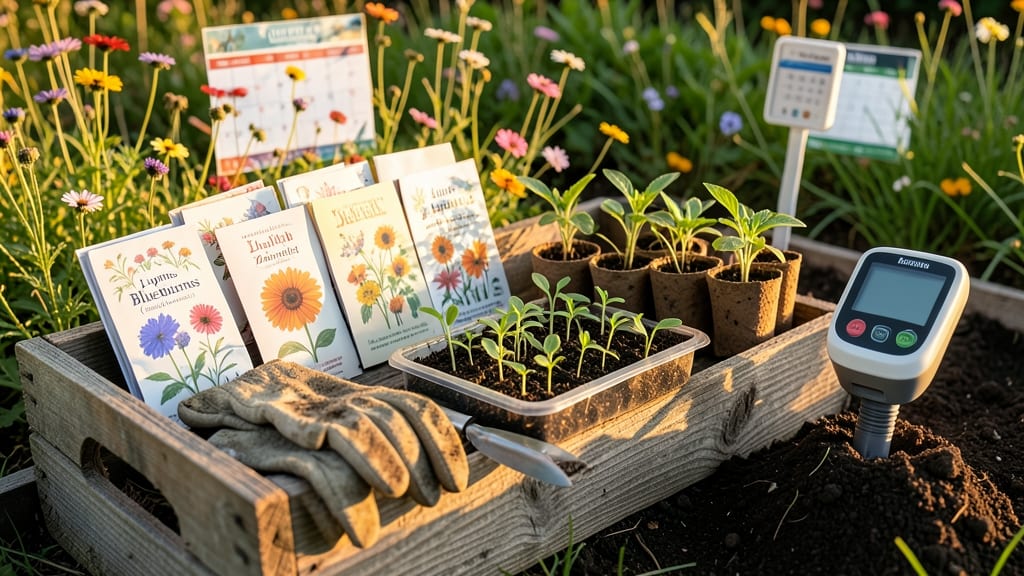
Planting flower seeds 🌸 in Texas isn’t just about grabbing seeds and sticking them in the ground—it’s about outsmarting the state’s unpredictable weather. Whether you’re in frost-prone North Texas or balmy South Texas, getting the timing wrong can mean the difference between a vibrant garden and a sad, wilted disappointment.
The key to success? Understanding your specific heat zone and adjusting your planting schedule accordingly. Texas spans USDA zones 8a through 11, and each zone has its own ideal window for planting—from late winter in cooler areas to fall in the warmer southern regions.
Miss these windows, and you risk losing your flowers to either late frosts or scorching summer heat.
In this guide, I’ll break down the exact months to plant flower seeds in Texas, including region-specific tips for everything from soil temperature checks to handling drought conditions. You’ll learn which flowers thrive in your zone and how to adjust for Texas’ quirks—like sudden heatwaves or urban heat islands.
Ready to transform your garden into a year-round bloom? Let’s dive into the timing secrets that’ll help your flower seeds grow into the showstopper you’ve been dreaming of.
Texas heat-zone planting calendar for flower seeds (by month)
Texas spans 11 USDA heat zones, from Zone 8a in the Panhandle to Zone 11 along the Gulf Coast. This diversity means your last frost date could be February 15 in North Texas or as early as January 1 in South Texas.
To avoid frost damage, I’ve broken down the best months to plant flower seeds based on your specific zone.
For North and Central Texas (Zones 8a-9b), focus on late winter to early spring planting. In South Texas (Zones 10a-11), you can plant year-round, but fall is ideal for winter blooms. Always check soil temperatures—most seeds need 60°F+ to germinate.
Below is your customized planting calendar, including cool-season flowers (like pansies) and warm-season bloomers (like zinnias). Use this as your go-to guide to time your plantings perfectly.
| Month | North/Central TX (Zones 8a-9b) | South TX (Zones 10a-11) | Best Flowers |
|---|---|---|---|
| January | Start indoor seeds (6-8 weeks before last frost) | Plant cool-season flowers outdoors | Pansies, Snapdragons, Calendula |
| February | Transplant hardy seedlings (after last frost) | Direct-sow warm-season seeds (soil >60°F) | Marigolds, Sweet Alyssum, Bluebonnets |
| March | Plant annuals and perennials (soil 65°F+) | Succession plant heat-lovers | Zinnias, Sunflowers, Lantana |
| April | Direct-sow summer bloomers | Plant fall/winter varieties | Cosmos, Portulaca, Black-Eyed Susans |
| May | Succession plant for fall blooms | Plant shade-tolerant flowers | Impatiens, Begonias, Coleus |
| September | Start cool-season seeds indoors | Direct-sow winter flowers | Stock, Sweet Peas, Dianthus |
Pro tip: Use shade cloth in South Texas during peak summer months (June-August) to protect seedlings from intense heat. In North Texas, cover young plants with frost cloth if late frosts threaten.
For native Texas wildflowers like bluebonnets or Indian paintbrush, plant seeds in late summer (August-September) for spring blooms. These drought-tolerant beauties thrive with minimal intervention once established.
Always monitor your local weather forecasts—Texas’ unpredictable spring frosts can delay planting by weeks. If you’re unsure, err on the side of waiting until April in North Texas to guarantee frost-free growth.
🌱
How to adjust planting times for Texas’ unpredictable weather patterns
Texas weather is as famous for its unpredictability as it is for its heat. One week you’re battling late spring frosts that can kill tender seedlings, and the next, a sudden heatwave sends your flowers bolting before they bloom.
The key to success? Flexibility in your planting schedule and a few smart adjustments based on real-time conditions.
Start by monitoring soil temperatures—most flower seeds need soil to warm to 60°F+ before germinating. Use a soil thermometer to check depths of 1-2 inches, especially in North Texas where cooler nights linger. If temps dip below 55°F, delay planting until conditions stabilize.
For high-risk frost zones (like the Panhandle or Hill Country), consider using row covers or cold frames to extend your planting window. These protective barriers can add 4-6°F of warmth, letting you plant 2-3 weeks earlier than the average frost-free date.
Just remove them once daytime temps consistently stay above 70°F.
⚠️ Watch for These Red Flags
- Sudden temp drops: If nighttime temps fall below 50°F, cover seedlings immediately.
- Drought stress: Wilting leaves mean roots can’t access moisture—water deeply before planting.
- Heat spikes: If daytime temps exceed 90°F, delay planting until evening or use shade cloth.
Pro Tip: Set up a mini weather station near your garden to track microclimates.
Succession planting is another game-changer in Texas. Instead of sowing all your seeds at once, stagger plantings every 2-3 weeks to ensure a continuous bloom cycle. For example, plant cosmos in March for spring blooms, then again in June for fall flowers.
This strategy works especially well for heat-tolerant annuals like zinnias and sunflowers.
Don’t forget about shade cloth for summer plantings. A 30-50% shade cloth can reduce soil temps by 10-15°F, making it safer to plant in June or July. Pair it with mulch to retain moisture, and you’ll create a microclimate perfect for heat-sensitive perennials like impatiens or begonias.
Finally, keep an eye on the National Weather Service’s local forecasts and Texas A&M AgriLife Extension alerts for frost or drought warnings. With these adjustments, you’ll turn Texas’ erratic weather into an advantage—producing blooms when others are struggling to survive.