
Plants
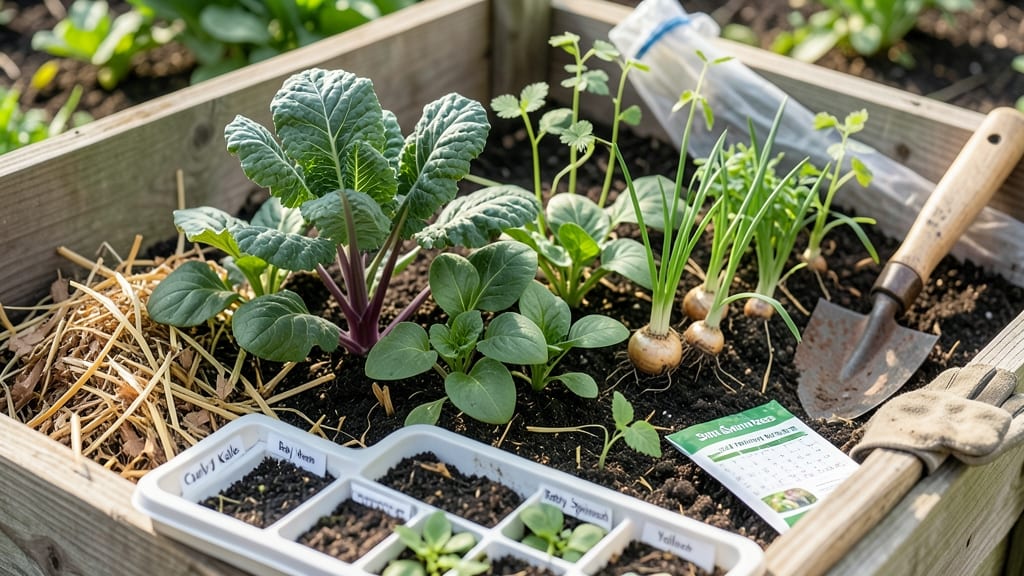
Zone 4 last-frost dates: exact timelines for starting seeds vs. transplanting
Understanding your last-frost date is the foundation of Zone 4 gardening. While the average last frost typically falls between April 15 and May 15, your exact date depends on elevation, proximity to water, and local microclimates.
For example, cities like Chicago average May 10, while Buffalo might see frost linger until May 20. Always check your local USDA Plant Hardiness Zone Map for precision.
Knowing these dates helps you decide when to start seeds indoors versus direct-sowing outdoors. Cool-season crops like spinach and kale can handle light frosts, while tender plants like tomatoes need warm soil to thrive. I’ll break down these timelines in the table below, so you can plan with confidence.
🌱 Zone 4 Last-Frost Timelines & Planting Windows
| Crop Type | Last Frost Date | Start Seeds Indoors | Direct Sow Outdoors | Transplant Outdoors |
|---|---|---|---|---|
| Cool-Season Veggies (Peas, Lettuce, Spinach) | April 15–May 1 | March 1–March 15 | April 1–April 15 | April 15–May 1 |
| Warm-Season Veggies (Tomatoes, Peppers, Basil) | May 15–May 30 | April 1–April 15 | May 15–May 30 | June 1–June 15 |
| Perennials (Daylilies, Coneflowers) | April 15–May 1 | N/A | April 15–May 1 | N/A |
| Annual Flowers (Marigolds, Zinnias) | May 1–May 15 | March 15–April 1 | May 15–May 30 | May 15–June 1 |
| Potatoes (Early Varieties) | April 15–May 1 | N/A | April 15–April 30 | N/A |
*Timelines vary by microclimate. Use a frost calendar from your local Cooperative Extension Service for exact dates.
For cool-season crops, like broccoli and carrots, I recommend starting seeds indoors 4–6 weeks before your last frost date. This gives seedlings a head start before transplanting outdoors.
Meanwhile, warm-season crops like cucumbers and squash need soil temperatures above 55°F to germinate, so wait until after your last frost to direct-sow.
Pro tip: Use a soil thermometer to monitor temperatures. If your soil is still chilly in May, hold off on planting heat-loving crops until late May or early June. Patience here prevents stunted growth or failed germination.
Don’t forget about fall planting! Zone 4 gardeners can extend the season by sowing spinach, kale, and radishes in late summer (August) for harvests before the first frost in mid-September. This strategy maximizes your growing window and reduces waste.
If you’re unsure about your local frost dates, check resources like the Old Farmer’s Almanac or your state’s agricultural extension office. They provide historical data and trends to help you fine-tune your planting schedule. For example, Detroit might have a later last frost than Minneapolis, so adjust accordingly.
Finally, account for microclimates in your garden. South-facing slopes warm up faster, while low-lying areas stay colder longer. Use these microclimates to your advantage—plant heat-sensitive crops in shadier spots and warm-season plants on sunny hillsides.
With these timelines and adjustments, you’ll avoid the heartbreak of frost-killed seedlings and enjoy a productive Zone 4 garden. Next, we’ll dive into crop-specific planting schedules to help you plan your entire growing season.
Best planting schedule for Zone 4: crop-specific timing by heat tolerance
Zone 4’s short growing season demands precision—planting at the wrong time can leave you with bolting lettuce or frozen tomatoes. I’ve broken down the best planting windows by crop type, so you can align your garden with nature’s calendar instead of fighting it.
Cool-season crops like kale and peas thrive in spring’s chill, while warm-season favorites such as tomatoes and peppers need to wait until after the last frost. Here’s how to time it perfectly for your Zone 4 garden’s success.
🌱 Zone 4 Planting Schedule by Crop Type
| Crop Type | Planting Window | Frost Sensitivity | Succession Notes |
|---|---|---|---|
| Cool-Season Veggies (lettuce, spinach, kale) | Early spring (March–April) & late summer (August) | High (dies in heat) | Sow every 2 weeks for continuous harvest |
| Warm-Season Veggies (tomatoes, peppers, basil) | After last frost (May 15–June 1) | Low (needs heat) | Use row covers for early starts |
| Root Crops (carrots, potatoes, onions) | Early spring (April) or fall (August) | Medium (tolerates cold) | Plant potatoes 2–3 weeks before last frost |
| Perennials (lavender, coneflowers, asparagus) | Early spring (April) or fall (September) | Low (hardy) | Asparagus takes 2–3 years to establish |
| Annual Flowers (marigolds, zinnias, cosmos) | After last frost (May) or late summer (August) | Medium (varies by type) | Deadhead for longer blooms |
For cool-season crops, I recommend starting seeds indoors 6–8 weeks before your last frost date. This gives seedlings a head start while avoiding the risk of direct-sowing too early. For example, broccoli and cabbage can handle light frosts, but spinach bolts quickly in summer heat.
Warm-season plants like tomatoes and peppers need soil temperatures above 55°F to germinate. Use a soil thermometer to check—if it’s cooler, wait or use black plastic mulch to warm the soil faster.
My basil always struggles if planted too early, so I wait until late May when nights stay above 50°F.
Don’t overlook succession planting—it’s your secret weapon for extending harvests. For instance, sow radishes every 2 weeks from April to August. They mature in just 30 days, giving you a steady supply without gaps.
Even lettuce, which bolts in heat, can be replanted in late summer for a fall harvest.
Pro tip: Keep a planting journal to track your local microclimate. Note when your last frost occurs and adjust future years accordingly. For example, my garden’s last frost shifted from May 10 to May 20 over 5 years—likely due to climate changes.
Recording these details helps me fine-tune my schedule each season.
Zone 4 gardening is all about working with the short window you have. By matching crops to their ideal planting times and using succession techniques, you’ll turn your garden into a year-round productivity machine—even in a cold climate. 🌿