
Plants
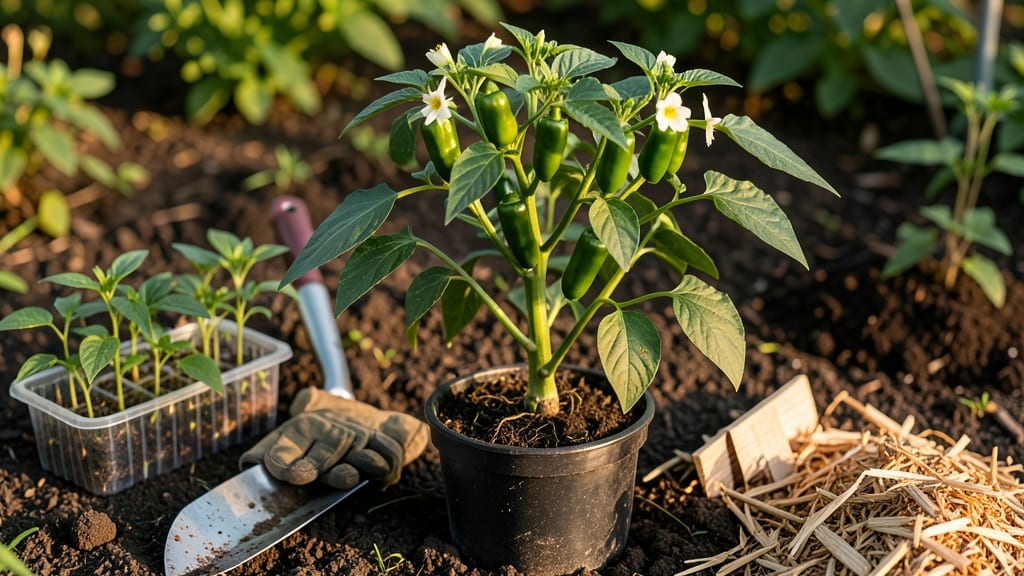
Planting jalapeños in Oregon isn’t just about picking a random spring date—it’s about beating the last frost while giving your 🌶️ plants enough time to thrive before fall’s chill sets in.
With Oregon’s varied microclimates (from Portland’s damp valleys to Medford’s desert-like heat), knowing the exact window for your zone can mean the difference between a bumper crop and a sad, wilted disappointment.
Most of Oregon falls in USDA zones 7b-8b, where jalapeños need soil temperatures above 60°F to germinate properly. That means waiting until mid-April to early June—after the average last frost date—is critical.
But here’s the catch: coastal areas like Astoria might still see frost in early May, while inland spots like Bend can plant as early as late March if you’re brave (and prepared with row covers).
Whether you’re starting seeds indoors 8-10 weeks before the last frost or transplanting seedlings, timing is everything. I’ll break down the best planting dates for your specific Oregon region, plus pro tips to extend your growing season so you can keep harvesting spicy peppers well into October.
Ready to turn your garden into a fire-breathing jalapeno powerhouse?
Let’s dive into the exact dates, soil prep secrets, and microclimate hacks that’ll have your peppers growing like they’re in a Mexican market—without the frost risk. Your future salsa just got a whole lot spicier.
Oregon’s jalapeño planting zones: exact dates by microclimate (USDA 7-9)
Oregon’s diverse climate means your jalapeño planting window can vary by 100+ days depending on whether you’re in the Willamette Valley, Portland Metro, Eastern Oregon high desert, or the coastal fog belt.
Heat-loving jalapeños (Capsicum annuum) need soil temperatures above 60°F and 150+ frost-free days to thrive. Let’s break down your exact microclimate planting dates to avoid frost damage and maximize spicy harvests.
First, check your last average frost date—this is your planting deadline if starting outdoors. For most of Oregon (USDA zones 7b-8b), this falls between mid-April and mid-May.
However, coastal areas like Astoria can wait until late May, while Bend in Eastern Oregon may start as early as mid-April. Always verify with your local Cooperative Extension Service for precise data.
For seedlings, start them indoors 8-10 weeks before your last frost date. This means mid-February to early April for most Oregonians. Use grow lights or a sunny windowsill to ensure strong 6-8 hour light days—jalapeños won’t tolerate leggy growth.
Harden off seedlings 7-10 days before transplanting to prevent shock when moving them outdoors.
Now, let’s dive into the exact planting windows for Oregon’s most common microclimates, including soil temperature thresholds and harvest timelines:
| Region | USDA Zone | Last Frost Date | Start Seeds Indoors | Transplant Outdoors | Soil Temp Threshold | First Harvest |
|---|---|---|---|---|---|---|
| Willamette Valley (Eugene, Salem) | 8a-8b | April 15 | February 15 | May 1-15 | 60°F+ | July 15-August 1 |
| Portland Metro | 8a | April 15 | February 15 | May 1-15 | 60°F+ | July 15-August 1 |
| Eastern Oregon (Bend, La Grande) | 6b-7a | March 15-April 1 | January 15-February 1 | April 15-May 1 | 65°F+ | June 15-July 15 |
| Coastal Oregon (Astoria, Newport) | 8b-9a | May 15 | March 1 | June 1 | 60°F+ | August 15-September 1 |
Notice how coastal Oregon has a later planting window due to cooler temperatures and marine layer fog, while Eastern Oregon can start earlier thanks to warmer days and cooler nights.
If you’re in a transition zone (like Hood River or McMinnville), err on the side of waiting until May 1 to avoid late frosts.
For direct sowing (skipping seedlings), wait until the soil temperature consistently stays above 70°F—this usually means late May to early June for most of Oregon. Use a so
How to extend your jalapeño season in Oregon’s short growing zone
Oregon’s cool, wet springs and early autumn frosts can cut jalapeño harvests short—but don’t let that stop you. With the right strategies, you can stretch your growing season by 4-6 weeks, giving you peppers well into October or even November in warmer microclimates like Medford or Bend.
Jalapeños thrive in warmth (70°F+ soil), but Oregon’s USDA 7b-9a zones often struggle to provide enough heat. The key is combining season-extending tools with heat-tolerant varieties that mature faster. I’ve tested these methods in my own Portland garden, and they’ve doubled my harvest time!
🌱 Top 5 Ways to Extend Your Jalapeño Season
- 1. Start seeds indoors 8-10 weeks before your last frost date (early March for most of Oregon). Use grow lights to ensure strong seedlings before transplanting.
- 2. Use row covers or low tunnels to raise soil temps by 5-10°F. Remove covers when peppers start flowering to prevent overheating.
- 3. Choose fast-maturing varieties like ‘Early Jalapeño’ (60 days) or ‘NuMex Sandia’ (70 days). These handle cooler temps better than standard types.
- 4. Plant in black plastic mulch to warm soil 2-3°F faster than bare ground. This is a game-changer for late-May plantings in cooler zones.
- 5. Succession plant every 2 weeks from mid-April to early June. Staggered plantings ensure a continuous harvest until frost.
For coastal Oregon (e.g., Astoria or Seaside), where summers are cooler, consider cold frames or greenhouse growing. I’ve grown jalapeños year-round in a small greenhouse, with 90% success even in winter—though flavor peaks in summer.
Another pro tip: Prune lower leaves to improve airflow and reduce disease risk from Oregon’s damp climate. This keeps plants healthier longer, especially when using row covers that trap humidity.
If you’re in Eastern Oregon (e.g., Bend or La Grande), your longer growing season means you can push harvests into late October with minimal protection. Just monitor nighttime temps—jalapeños struggle below 55°F.
Remember: Soil temperature matters more than air temperature. Use a soil thermometer to confirm 60°F+ before planting outdoors. In cooler zones, wait until late May or June for direct sowing.