
Plants
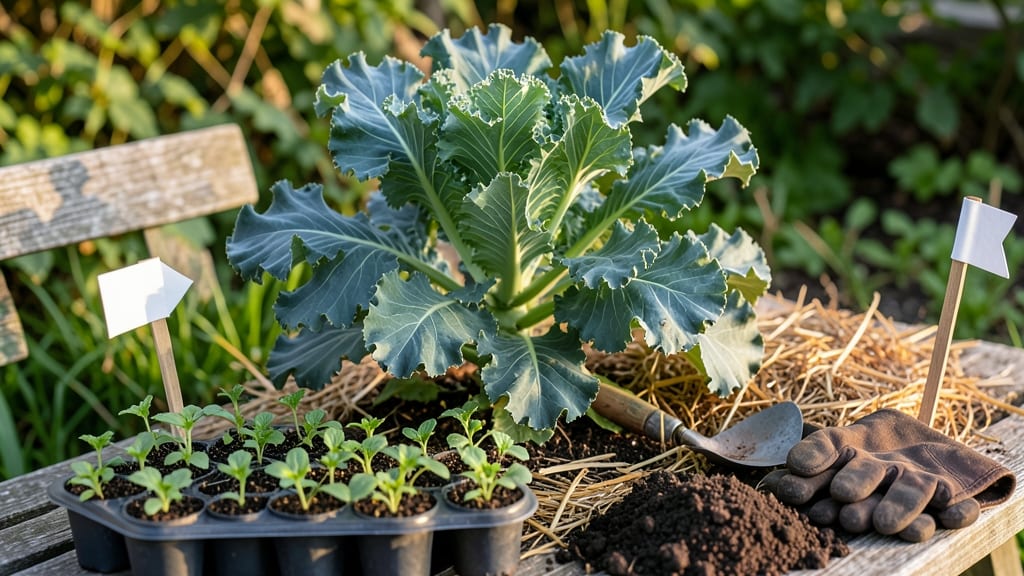
Timing your kale planting in South Carolina can mean the difference between a thriving harvest and a sad, bolted mess—especially when summer heat or unexpected frosts throw off your plans.
If you’ve ever wondered why your 🥬 kale suddenly goes to seed in July or wilts under early spring chills, you’re not alone.
The key lies in understanding SC’s unique climate zones (like 8a) and how they dictate the perfect windows for planting—whether you’re aiming for a spring bounty or a fall harvest.
I’ll break down the exact months to plant for maximum frost resistance, plus how to stretch your growing season so you’re harvesting crisp, flavorful leaves from May through November. No more guessing—just proven strategies tailored to your backyard.
Ready to grow kale that actually lasts? Let’s dive into the secrets of beating SC’s heat and cold to keep your plants happy and productive all season long.
Optimal planting months for kale in South Carolina’s climate zones
South Carolina’s USDA zones 7b-8a create a unique challenge for kale growers—cool enough for winter crops but hot enough to cause bolting if planted too late. The key is timing your plantings to avoid both frost damage and summer heat stress.
For most of SC, this means two distinct planting windows: late winter/early spring and late summer/early fall.
In Zone 8a (covering most of SC), your last frost date typically falls around March 15, while the first frost arrives by November 15. This gives you a 215-day frost-free window, perfect for two kale harvests per year.
However, coastal areas (like Charleston) may experience slightly later frosts, while inland Piedmont regions (like Columbia) can have earlier cold snaps.
For spring plantings, aim to sow seeds or transplant seedlings 4-6 weeks before your last frost date. In most of SC, this translates to late February to early March.
This timing ensures your kale matures before summer heat sets in, typically yielding harvests by May or June. If you’re in Zone 7b (upstate SC), push planting back to early March to avoid early frost risks.
🌱 Kale Planting Timeline for South Carolina
| Season | Planting Window | Harvest Window | Key Considerations |
|---|---|---|---|
| Spring | Late February - Early March | May - June | Avoid bolting; use shade cloth if temps exceed 80°F |
| Fall | August - Early September | October - November | Extend season with row covers; harvest before first frost |
| Coastal (Zone 8a) | March 1 - April 15 | June - July | Later frosts; prioritize heat-tolerant varieties |
| Piedmont (Zone 7b) | February 20 - March 10 | May - Early June | Earlier frosts; use cold frames for winter harvests |
⏰ Pro Tip: Use a planting calendar to track your local frost dates—SC’s microclimates vary by just 10-14 days!
If you’re growing kale for a fall harvest, your best bet is to plant seeds or seedlings in late August to early September. This gives your kale time to establish roots before cooler weather arrives.
In Zone 8a, you can often extend harvests into November with row covers, while Zone 7b growers should aim to harvest by early November before hard frosts hit.
For coastal gardeners, summer heat is the bigger threat than frost. If you’re in Charleston or Hilton Head, consider succession planting every 2-3 weeks from August through October to stagger your harvest.
Inland areas like Greenville or Spartanburg can handle slightly later plantings, but watch for early October frosts.
One of my biggest mistakes was planting kale in mid-April—by June, the plants were bolting like crazy. I learned to stick to the 4-6 week rule before last frost and use shade cloth if summer arrives early.
For spring plantings, I now soak seeds overnight and use black plastic mulch to warm the soil faster, giving my kale a head start.
Don’t forget that kale is a cool-season crop, meaning it thrives when temperatures stay between 60°F and 75°F. If your nighttime temps dip below 50°F or daytime temps exceed 80°F, growth slows or the plant bolts.
Use season extension tools like cold frames or low tunnels to protect your plants during unpredictable SC weather.
For container gardening, adjust your timing slightly—pots heat up faster, so plant 1-2 weeks earlier in spring and 1-2 weeks later in fall than in-ground plantings. Always use well-draining soil and larger containers (12+ inches deep) to prevent root stress.
Finally, if you’re new to SC gardening, start small with 4-6 plants to test your timing. Kale is forgiving if you harvest regularly, so even a partial failure can yield weeks of fresh greens. With the right timing, you’ll enjoy
Optimal planting months for kale in South Carolina’s climate zones
South Carolina’s USDA zones 7b-8a create a unique challenge for kale growers—cool enough for winter crops but hot enough to trigger bolting. The key is planting during two distinct windows: early spring and late summer.
For most of SC, this means late February to early March for spring and August to early September for fall harvests. Coastal areas (like Charleston) can start 2-3 weeks earlier due to milder winters, while inland regions (Upstate) should wait until mid-March to avoid late frosts.
Timing matters because kale thrives in cool temperatures (50-75°F). Planting in March gives you a 100-day growing season before summer heat sets in, while August plantings take advantage of cooling fall air.
Miss these windows, and you risk stunted growth or premature bolting—when your kale flowers instead of producing tender leaves.
Here’s how SC’s microclimates affect planting:
🌱 Kale Planting Guide for South Carolina
| Zone/Region | Spring Planting | Fall Planting | Key Risk |
|---|---|---|---|
| Coastal (7b) | Late February | Late August | Humidity/fungal diseases |
| Piedmont (8a) | Early March | Early September | Heat stress |
| Upstate (7a) | Mid-March | Mid-August | Late frosts |
*Adjust dates 1-2 weeks based on microclimate (e.g., elevated areas stay cooler).
For spring plantings, aim to have mature plants by April 15—this gives them 8-10 weeks of ideal growing conditions before summer heat arrives. Use row covers if planting in February to protect against 28°F frosts, which can damage young leaves.
Inland growers should wait until soil temperatures reach 45°F to ensure germination.
Fall is trickier—plant too late, and your kale bolts before November 15 (SC’s average first frost). Start seeds indoors in July and transplant mid-August for a 90-day harvest window. Use shade cloth (30-50%) during September to lower soil temps by 5-10°F and delay bolting.
Pro tip: Succession plant every 2 weeks in spring/fall to stagger harvests. For example, plant 50% of your seeds in March and the rest in late April—this ensures continuous leaf production from May through November. 🌱