
Plants
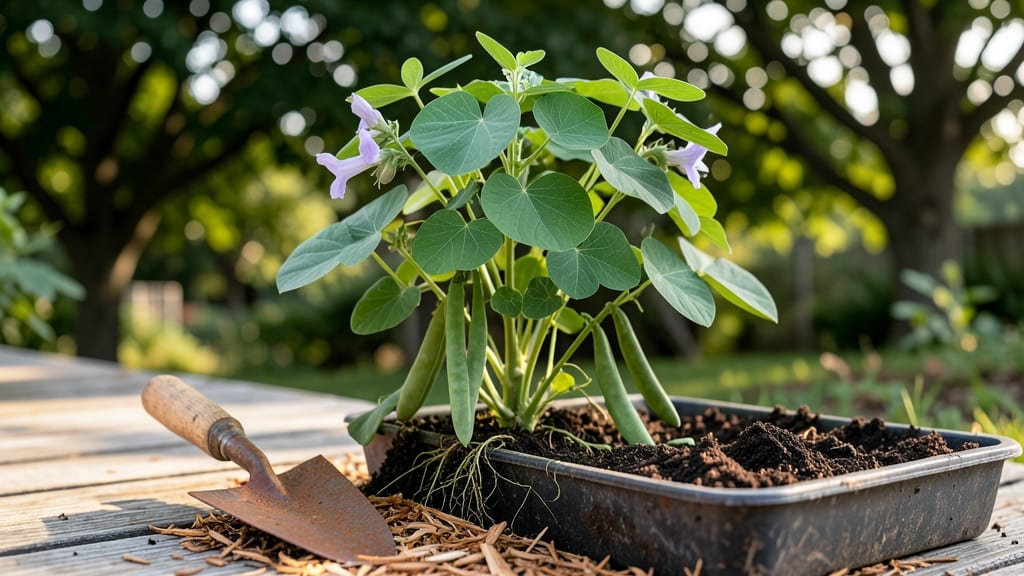
If you're growing lima beans in Zone 9, timing your planting could mean the difference between sweet, tender pods and bitter, stringy failures. The key to success lies in understanding your local climate's unique rhythm—where cooler fall days work better than spring heat for most gardeners.
Unlike cooler climates, Zone 9's fall planting window (September-October) gives lima beans 🌱 the perfect balance of warmth and cooler nights they crave. This avoids the dreaded bolting that turns your beans into tough, inedible stalks before harvest. But don't worry—spring planting still works with the right adjustments.
What makes Zone 9 different? No frost to worry about means you can plant later than most regions, but soil temperature and summer heat still play critical roles. I'll show you exactly how to time your planting for zero-bolt success, whether you're in Southern California, Arizona, or Florida.
Ready to grow lima beans that actually taste good? Let's dive into the best months, soil prep secrets, and pro tips that'll have you harvesting tender pods all season long—no guesswork required.
Optimal planting months for lima beans in Zone 9 climate
In Zone 9, where summers are scorching and winters are mild, timing your lima bean planting correctly is the key to avoiding premature bolting. Unlike cooler climates, Zone 9 gardeners have two distinct windows: fall planting (the gold standard) and spring planting (with caveats).
Let’s break down the best months to plant for sweet, tender pods instead of bitter, stringy failures.
Most successful Zone 9 gardeners swear by fall planting because it lets lima beans establish roots before summer heat arrives. The ideal window is late August through early October, when soil temperatures hover between 60°F and 85°F (15°C–29°C).
Planting too early (like July) risks heat stress, while waiting until November may expose seedlings to fall rains and fungal diseases.
Here’s the soil temperature rule of thumb: Lima beans need soil at least 60°F (15°C) to germinate. In Zone 9, this typically means waiting until September for inland areas or late August for coastal regions with cooler microclimates. Use a soil thermometer to confirm—don’t guess!
Spring planting is trickier in Zone 9. While you can sow seeds in February or March, the risk of bolting before harvest skyrockets if temperatures climb too fast. I’ve seen lima beans go from sprout to flower in just 3 weeks under Zone 9 spring heat—leaving no time for pod development. For spring success, opt for shade-tolerant varieties like ‘Fordhook’ and use shade cloth during peak afternoon sun.
Microclimates matter in Zone 9! Coastal areas (like San Diego or Santa Barbara) can plant 2–4 weeks earlier than inland desert zones (like Phoenix or Palm Springs). Elevation also plays a role: Mountain foothills may support spring planting, while low-lying valleys should stick to fall.
Pro tip: If you’re unsure about your microclimate, test your garden’s heat tolerance by planting a trial batch in September. Monitor how quickly the plants mature—this will tell you whether spring planting is viable for your specific spot.
🌱 Zone 9 Lima Bean Planting Summary
| Season | Best Months | Soil Temp | Key Considerations |
|---|---|---|---|
| Fall | Late August–Early October | 60°F–85°F (15°C–29°C) | Avoids summer heat; ideal for pod production |
| Spring | February–March | 60°F+ (15°C+) | High bolting risk; use shade cloth for success |
| Coastal Zones | Late August–September | 55°F–75°F (13°C–24°C) | Cooler temps allow earlier planting |
| Inland Zones | September–October | 65°F–80°F (18°C–27°C) | Wait for heat to subside; mulch heavily |
For fall planting, aim to have lima beans flowering by November to ensure pods mature before winter rains. If you’re in a dry Zone 9a (like parts of Arizona), you might even get a second harvest in spring from over-wintered plants!
Just cover them with row fabric in December to protect from cold snaps.
Remember: Lima beans hate heat stress. If your garden hits 90°F+ (32°C+) during the day, your plants will bolt faster than you can say “stringy bean.” That’s why fall planting is the safer bet—it gives your lima beans a cool-season head start before summer arrives.
One last tip: If you’re succession planting in fall, stagger seeds every 2 weeks from September through October. This ensures a continuous harvest instead of one big rush of pods. Trust me, your taste buds will thank you!
Optimal planting months for lima beans in Zone 9 climate
In Zone 9, where winters are mild and summers scorching, timing your lima bean planting is critical to avoid premature bolting. Unlike cooler climates, you have two prime windows: fall and early spring.
Fall planting (September-October) gives beans a head start before summer heat, while spring planting (February-March) risks bolting if temperatures spike too soon.
Lima beans thrive when soil temperatures stay between 60°F and 85°F (15°C-29°C). In Zone 9, this means avoiding late spring planting when daytime temps often exceed 90°F (32°C). Coastal areas may have slightly cooler microclimates, allowing earlier spring plantings, but inland regions should wait until soil warms consistently.
Here’s the ideal planting schedule for Zone 9, broken down by season and microclimate:
| Season | Best Planting Months | Soil Temp Requirement | Microclimate Notes |
|---|---|---|---|
| Fall | September–October | 60°F–75°F (15°C–24°C) | Cooler evenings prevent heat stress; harvest before winter rains. |
| Spring | February–March | 65°F–70°F (18°C–21°C) | Use shade cloth if temps rise above 85°F (30°C); inland areas should delay until April. |
| Summer | Avoid (unless using shade) | N/A (bolting risk) | Extreme heat (>95°F/35°C) triggers bolting; only plant with 30% shade. |
For fall plantings, aim to harvest before November to avoid fungal diseases from winter moisture. Start seeds indoors in late August for transplants ready by September. In spring, harden off seedlings in February and plant when nighttime temps stay above 55°F (13°C).
Pro tip: Use a soil thermometer to confirm readiness—lima beans won’t germinate below 60°F (15°C). If your soil heats up too fast, try black plastic mulch to moderate temperatures and retain moisture. This simple trick can extend your planting window by 2–3 weeks in inland Zone 9 areas.
Remember, dwarf varieties like ‘Fordhook’ bolt more easily in heat, while bush types (e.g., ‘Christmas’) handle Zone 9 summers better. Choose wisely to maximize your harvest! 🌱